
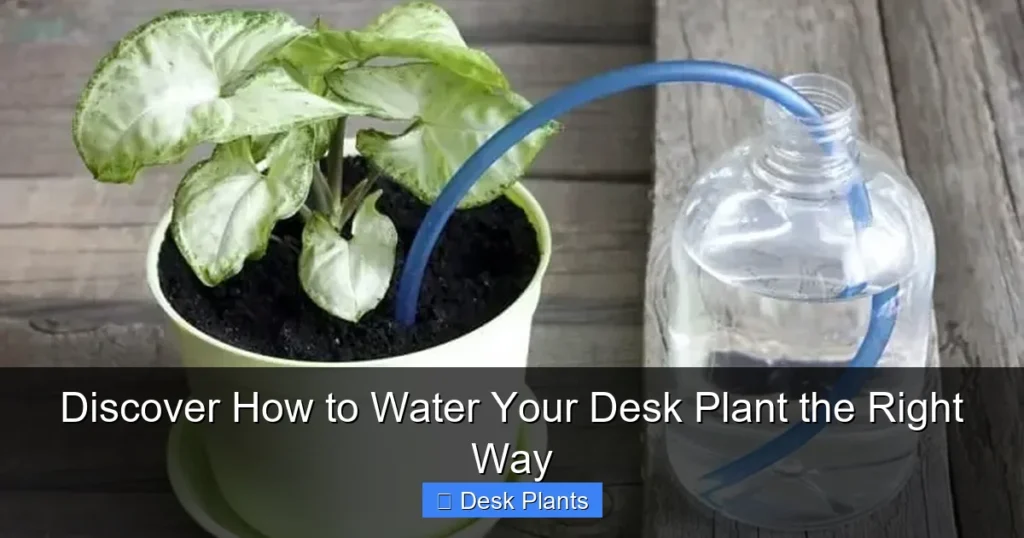
Watering your desk plant properly is the single most important factor for its survival and vibrancy. This comprehensive guide will teach you how to assess your plant’s unique needs, master the watering technique, and establish a fail-proof schedule. You’ll learn to avoid the common pitfalls of overwatering and underwatering, ensuring your green friend flourishes.
Key Takeaways
- Know Your Plant: Every desk plant species has unique water requirements; identify yours first.
- The Finger Test is Key: Always check soil moisture an inch deep before watering to prevent overwatering.
- Quality and Temperature Matter: Use room temperature water and consider filtered water for sensitive plants.
- Water Thoroughly and Drain: Water until it runs from the drainage holes, then empty the saucer to prevent root rot.
- Seasons Change Needs: Water less in winter when growth slows and more in brighter, warmer summer months.
- Observe and Adapt: Your plant will show signs of distress; yellow leaves often mean too much water, while crispy edges mean too little.
- Right Pot, Right Soil: Ensure your pot has drainage holes and use well-draining soil to create a healthy foundation.
Introduction: Why Watering Your Desk Plant Correctly Matters
Welcome, plant parent! That little green friend on your desk does more than just look pretty. It boosts your mood, cleans the air, and makes your space feel alive. But here’s a secret: most desk plants don’t die from neglect. They die from kindness—specifically, from being watered too much or too little.
Watering seems simple, but it’s an art and a science. This guide is your masterclass. We will walk through everything, from understanding your plant’s whispers for water to fixing common mistakes. By the end, you’ll have the confidence to water your desk plant the right way, every time. Let’s dive in and turn your thumb green!
Step 1: Understand Your Plant’s Unique Water Needs
The first rule of watering is: there is no one-size-fits-all schedule. Your succulent and your peace lily are as different as cats and dogs. Your mission is to become a plant detective.

Visual guide about Discover How to Water Your Desk Plant the Right Way
Image source: i.ytimg.com
Identify Your Plant Type
Start by naming your plant. Is it a snake plant, a pothos, a ZZ plant, or a fiddle leaf fig? A quick online search will tell you its origins. Desert plants like cacti store water and need very little. Tropical plants like peace lilies enjoy more consistent moisture. Knowing this is your foundation for how to water desk plant successfully.
Consider the Pot and Soil
Check your pot. Does it have a drainage hole at the bottom? This is non-negotiable for healthy roots. The soil type matters too. Most desk plants thrive in a well-draining potting mix. Heavy, dense soil holds water too long and can drown roots.
Assess Your Desk Environment
Look at your desk. Is it in bright, direct sun, or in a low-light corner? Is the office air-conditioned and dry, or humid? Plants in bright light dry out faster. Dry air from heating or cooling vents also speeds up water loss. Your desk plant’s location directly impacts its thirst.
Step 2: Choose the Right Water and Tools
You wouldn’t drink from a fire hose, and your plant deserves similar care. The right tools make watering your desk plant easy and precise.
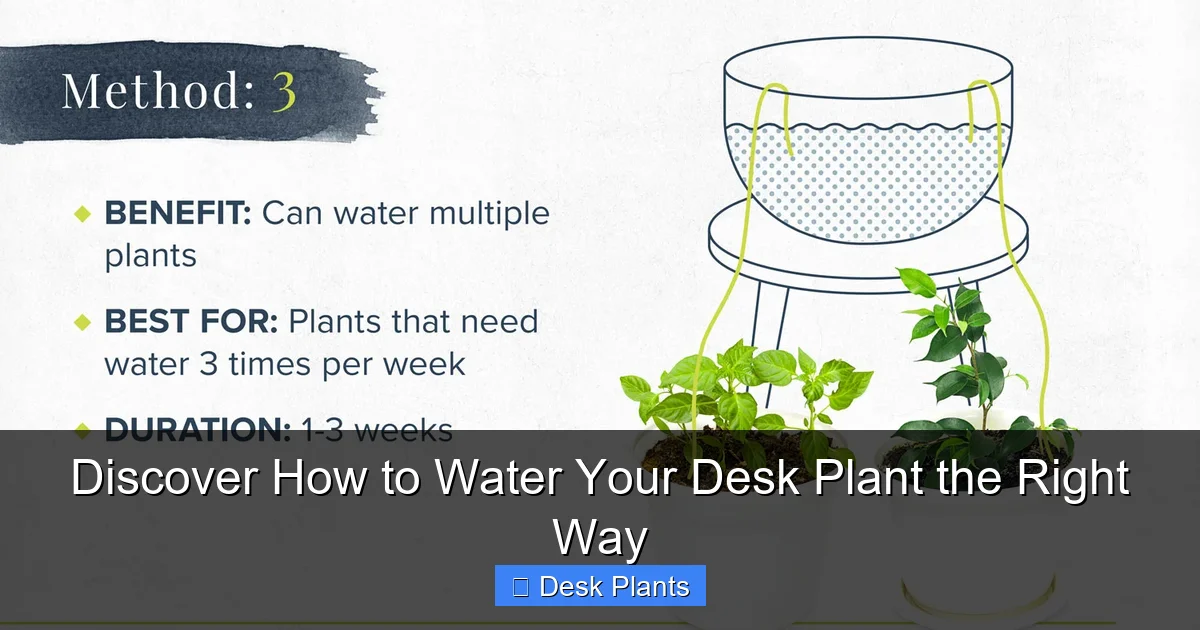
Visual guide about Discover How to Water Your Desk Plant the Right Way
Image source: images.ctfassets.net
Select a Suitable Watering Can
Get a small watering can with a long, narrow spout. This lets you direct water to the soil base without splashing leaves or overflowing the small pot. A can with a capacity of 1-2 cups is perfect for desk plant watering.
Use Room Temperature Water
Cold water can shock the roots. Always use water that’s about room temperature. Let tap water sit out for a few hours. This also allows some chemicals like chlorine to evaporate, which is better for your plant.
Think About Water Quality
If your tap water is very hard or heavily treated, consider using filtered or distilled water for sensitive plants like calatheas or spider plants. They can develop brown leaf tips from chemicals in tap water.
Step 3: Master the Watering Technique
This is the heart of how to water desk plant properly. It’s not about a splash on Monday; it’s about a thorough drink when needed.
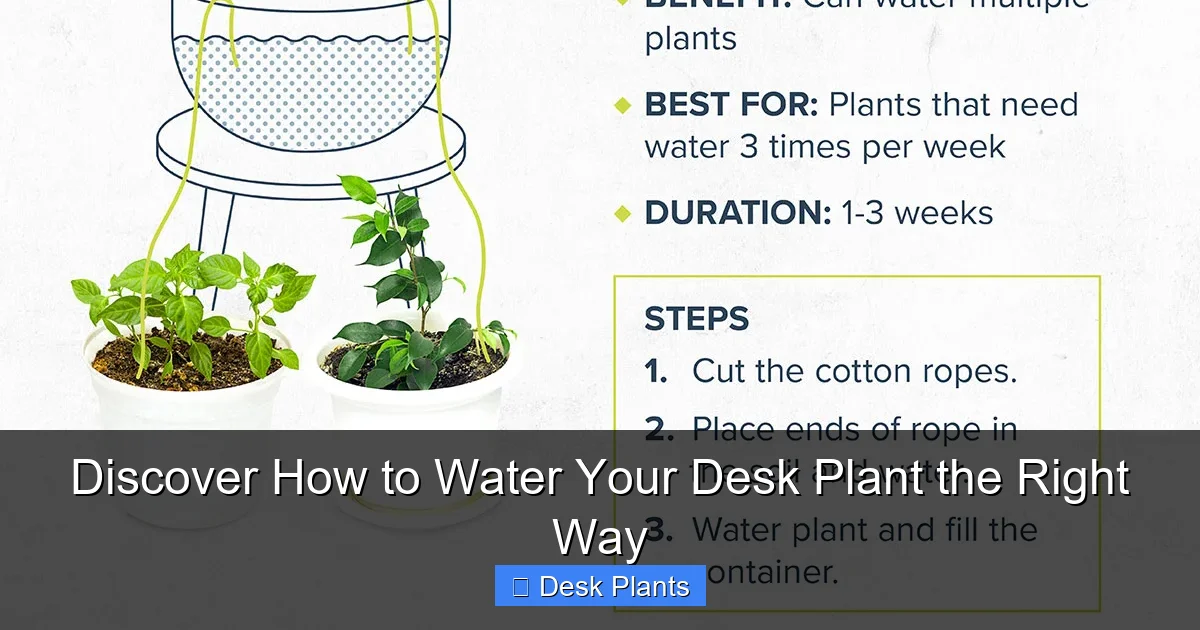
Visual guide about Discover How to Water Your Desk Plant the Right Way
Image source: images.ctfassets.net
Perform the Finger Test
Before you even pick up the can, do the finger test. Stick your index finger about an inch into the soil. If it feels dry, it’s time to water. If it feels damp or cool, wait. This simple test is your best friend.
Water Thoroughly and Evenly
When you water, do it properly. Pour water slowly onto the soil, moving around the pot until you see water trickling out of the drainage hole. This ensures the entire root ball gets moisture. Then, stop! Let the excess water drain completely.
Empty the Saucer or Cache Pot
This is critical. Never let your desk plant sit in a puddle of water. After 15-20 minutes, empty the saucer or the decorative outer pot. Standing water leads to root rot, the number one killer of indoor plants.
Step 4: Establish a Smart Watering Schedule
Forget watering on a strict calendar day. Your schedule should be a flexible routine based on observation. Here’s how to build one.
Create a Baseline Routine
Start by checking your plant every 3-4 days. Do the finger test. Over a few weeks, you’ll notice a pattern. Maybe your pothos needs water every 7 days in your office, while your snake plant goes 3 weeks. Jot this down as your baseline.
Adjust for Seasons
Plants grow slower in fall and winter. They need much less water. In spring and summer, with more light and warmth, they may need more frequent watering. Always revert to the finger test, but anticipate these seasonal shifts in your desk plant watering schedule.
Use Reminders Wisely
Set a reminder to *check* your plant, not to *water* it. A phone alert saying “Check desk plant soil” is far better than one that says “Water plant today.” This keeps you attentive to actual need.
Step 5: Monitor Your Plant and Adjust
Your plant communicates. Learning its language is key to perfecting how to water desk plant. Watch for these signals.
Signs of Overwatering
Yellowing leaves, especially lower leaves, that feel soft and mushy. The soil may smell musty. This means too much love! Stop watering immediately. Let the soil dry out completely. In severe cases, you may need to repot into fresh, dry soil.
Signs of Underwatering
Drooping leaves, dry and crispy leaf edges, and soil pulling away from the pot’s sides. The plant looks thirsty. Give it a thorough, slow drink. It should perk up in a few hours. If the soil is very dry, you might even soak the pot in a basin of water for 10 minutes.
The Weight of the Pot
Lift your plant pot. A light pot means dry soil; a heavy pot means wet soil. With practice, this heft test becomes a quick and reliable check for your desk plant’s water needs.
Troubleshooting Common Watering Problems
Even experts face issues. Here’s how to solve the most common desk plant watering dilemmas.
Problem: Yellow Leaves All Over
This is often classic overwatering. Check the soil. If it’s soggy, let it dry out. Ensure the pot has drainage. Going forward, water less frequently and always do the finger test.
Problem: Brown, Crispy Leaf Tips
Usually a sign of low humidity or chemical buildup from tap water. Try misting the plant lightly, using a pebble tray with water, or switching to filtered water for watering your desk plant.
Problem: Gnats Flying Around the Soil
Fungus gnats love constantly moist soil. Let the top layer of soil dry out between waterings. You can also place yellow sticky traps in the pot to catch adults. This breaks their life cycle.
Problem: Wilting Despite Wet Soil
This could be root rot from chronic overwatering. Gently remove the plant from its pot. If the roots are brown, black, and slimy, trim the rotten parts away and repot in fresh, dry soil. Water very sparingly as it recovers.
Conclusion: Your Path to a Thriving Desk Plant
And there you have it! You’ve discovered the right way to water your desk plant. It boils down to three pillars: knowledge of your specific plant, observation through tools like the finger test, and adaptation to your plant’s feedback and changing seasons.
Remember, every plant is a learning journey. Don’t be discouraged by a missed watering or a yellow leaf. See it as a lesson. With the steps in this guide, you’re equipped to provide exactly what your desk plant needs. So go on, give that green friend a check, and enjoy the calm and life it brings to your workspace every day.
🎥 Related Video: How to water your succulents correctly?! #succulent #watering #houseplants
📺 Succulents Box
There’re two ways to water your succulents #succulentsbox #cactus #succulentcare === For more details, please visit: …