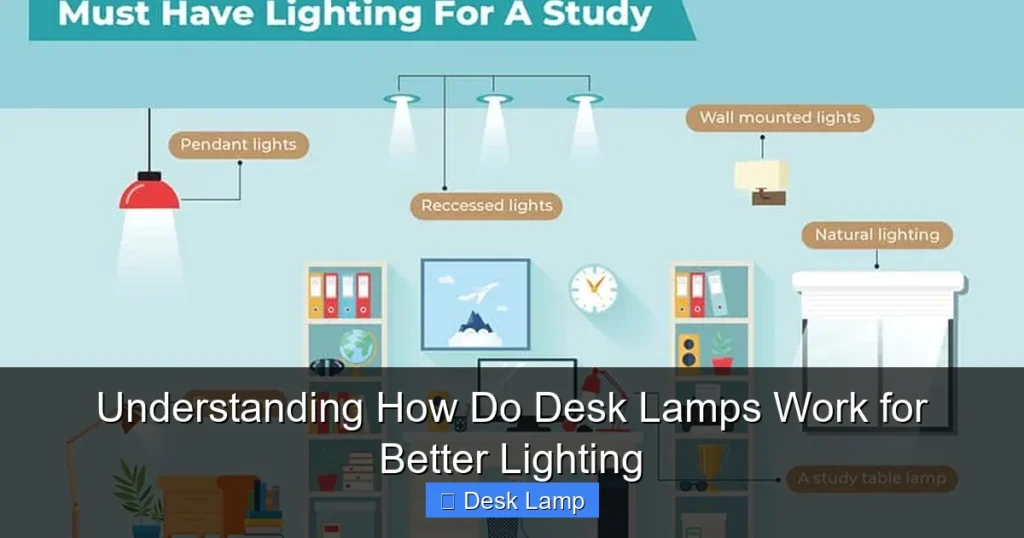
In this guide, you’ll learn about the inner workings of desk lamps, including their components and how they provide effective lighting for your workspace. Understand the types of desk lamps and practical tips for using them. Elevate your lighting knowledge for a better working environment.
Key Takeaways
- Components Matter: Desk lamps consist of bulbs, shades, bases, and switches, each playing a vital role in functionality.
- Types of Desk Lamps: There are various types, including LED, incandescent, and halogen lamps, each with unique benefits.
- Light Quality: Desk lamps can provide different light temperatures, affecting mood and productivity.
- Adjustability: Many desk lamps offer adjustable arms or heads for targeted lighting, improving comfort and efficiency.
- Energy Efficiency: LED lamps consume less energy and have a longer lifespan compared to traditional bulbs.
- Placement Matters: The position of your desk lamp can significantly affect the quality of light and reduce eye strain.
- Maintenance Tips: Regular cleaning and bulb replacement can extend the life of your desk lamp.
Understanding How Do Desk Lamps Work for Better Lighting
Desk lamps are essential tools for creating a well-lit workspace. They help reduce eye strain, enhance focus, and boost productivity. But have you ever wondered how they actually work? This guide is designed to explore the inner mechanics of desk lamps, the different types available, and how to optimize their use for the best lighting experience.
What Are Desk Lamps?
Desk lamps are portable light fixtures designed to provide focused light for tasks like reading or writing. They come in various styles and designs, catering to different aesthetic preferences and functional needs. Understanding their components and types will help you make informed decisions on what lamp suits your needs best.
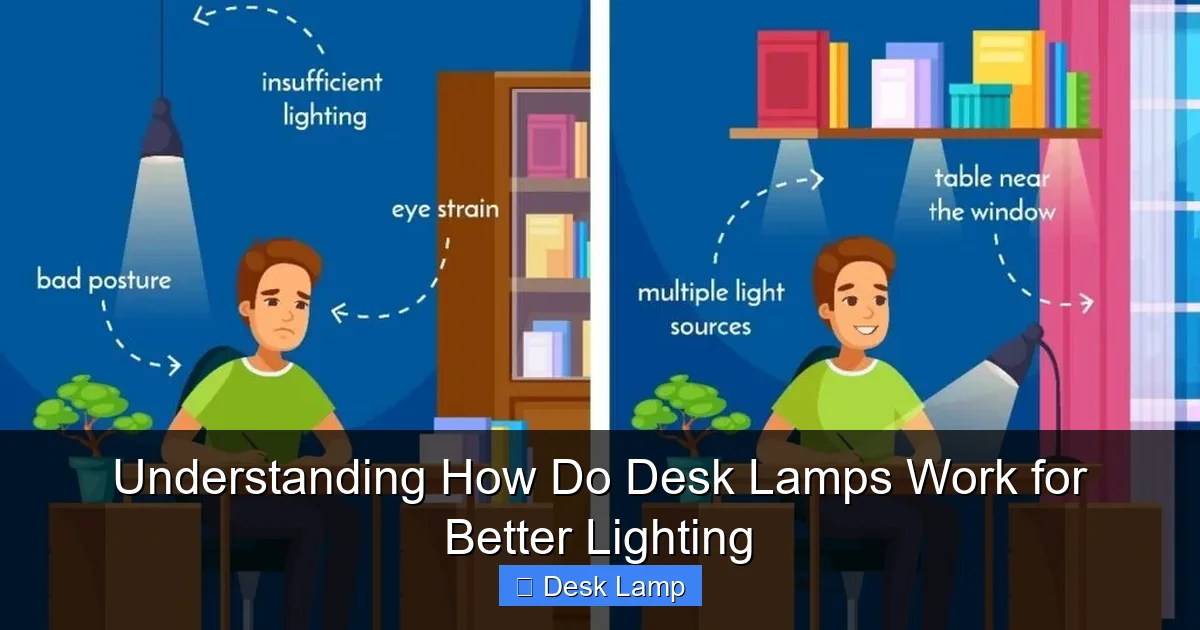
Visual guide about Understanding How Do Desk Lamps Work for Better Lighting
Image source: thedesigngesture.com
Components of a Desk Lamp
To understand how desk lamps work, we need to look at their main components:

Visual guide about Understanding How Do Desk Lamps Work for Better Lighting
Image source: premdesign.com
- Bulb: This is the source of light. It can be an LED, incandescent, or halogen bulb.
- Shade: The shade directs and diffuses the light, affecting the brightness and glare.
- Base: The base provides stability and houses the electrical components.
- Switch: A mechanism to turn the lamp on and off; it could be a simple toggle, rotary, or touch-sensitive switch.
How Desk Lamps Work
Now, let’s break down how these components work together to provide light.
Visual guide about Understanding How Do Desk Lamps Work for Better Lighting
Image source: i.ytimg.com
Step 1: Power Source
Desk lamps need a power source to function. Most lamps plug into an electrical outlet, while some may operate on batteries, especially portable models. When you switch the lamp on, electricity flows from the outlet or battery to the bulb.
Step 2: Light Emission
The bulb converts electrical energy into light. Here’s how different types of bulbs work:
- Incandescent: These bulbs generate light by heating a metal filament until it glows. They are known for their warm light but are less energy-efficient.
- LED: Light Emitting Diodes produce light when an electric current passes through a semiconductor. They are energy-efficient and have a longer lifespan.
- Halogen: A type of incandescent bulb that contains halogen gas, producing brighter light and lasting longer than traditional incandescent bulbs.
Step 3: Light Direction
The shade of the lamp plays a crucial role in directing light. Some shades diffuse light evenly, while others focus it, allowing you to adjust the brightness and area of illumination. This makes it easier to reduce glare on screens and surfaces.
Step 4: Adjustability
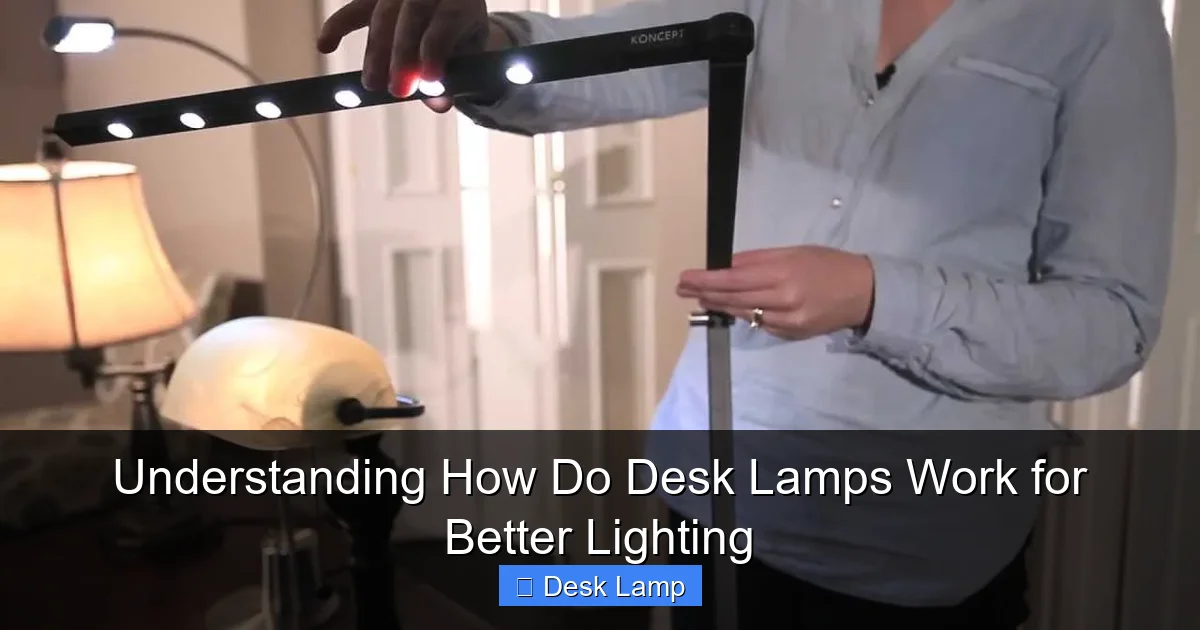
Many desk lamps come with adjustable arms or heads. This feature allows you to direct the light exactly where you need it, enhancing comfort while working. To adjust, simply loosen the joints and position the light source accordingly.
Types of Desk Lamps
Understanding the different types of desk lamps available can help you choose the right one for your needs:
1. LED Desk Lamps
LED lamps are popular for their energy efficiency and long lifespan. They provide bright, focused light and are available in various styles.
2. Incandescent Desk Lamps
These are traditional lamps that produce a warm glow. They are inexpensive but consume more energy compared to LEDs.
3. Halogen Desk Lamps
Halogen lamps emit a bright, white light that can enhance visibility. They are often used in professional settings.
4. Magnifying Desk Lamps
These lamps come with a built-in magnifier, ideal for detailed work like crafting or reading small print.
5. Smart Desk Lamps
Smart lamps can be controlled via apps or voice commands. They offer features like adjustable brightness and color temperature.
Choosing the Right Desk Lamp
When selecting a desk lamp, consider the following factors:
- Brightness: Look for a lamp that provides sufficient light for your tasks.
- Color Temperature: Warm light (around 2700K) is relaxing, while cool light (around 5000K) is stimulating for productivity.
- Size: Ensure the lamp fits your desk space without overcrowding.
- Style: Choose a design that complements your workspace aesthetic.
Practical Tips for Using Desk Lamps
To make the most of your desk lamp, here are some practical tips:
- Positioning: Place your lamp to the side of your dominant hand to reduce shadows while writing.
- Height Adjustment: Adjust the height of the lamp to prevent glare on your computer screen.
- Regular Maintenance: Clean the lamp frequently to prevent dust buildup and check the bulb regularly to ensure it’s functioning properly.
Troubleshooting Common Desk Lamp Issues
If your desk lamp is not working as expected, here are some troubleshooting steps:
Problem: Lamp Won’t Turn On
Check the power source. Ensure the lamp is plugged in, and try a different outlet. If it still doesn’t work, the bulb may need replacing.
Problem: Flickering Light
This can be caused by a loose bulb or a faulty switch. Check the bulb first; if it’s secure and still flickering, consider inspecting the switch.
Problem: Overheating
If your lamp gets too hot, ensure it has enough ventilation and is using the correct wattage bulb. If overheating persists, discontinue use until resolved.
Conclusion
Desk lamps are indispensable for creating a well-lit workspace. Understanding how they work, including their components and types, equips you with the knowledge to choose and use them effectively. By following the tips and troubleshooting steps outlined in this guide, you can enhance your workspace lighting and improve your productivity. Investing in the right desk lamp not only benefits your eyes but also contributes to a better working environment overall.
🎥 Related Video: what is the best type of lighting for the study or the office for working?
📺 Dear Modern