In this comprehensive guide, you will learn how to determine the optimal brightness for your desk lamp to boost productivity and comfort. Factors such as room size, task type, and lamp features will be discussed to help you create a perfect workspace.
Key Takeaways
- Understanding Lumens: Brightness is measured in lumens; more lumens means a brighter light.
- Task-Specific Needs: Different tasks require different brightness levels; reading may need more light than general use.
- Adjustable Features: Consider lamps with adjustable brightness for flexibility in various tasks.
- Color Temperature Matters: Choose lamps with a color temperature of 4000K to 5000K for optimal visibility.
- Positioning is Key: The placement of your desk lamp influences light distribution and effectiveness.
- Eye Comfort: Proper brightness can reduce eye strain and enhance comfort during long working hours.
- Experiment and Adapt: Everyone’s needs are different; adjust your lamp settings based on personal comfort.
How Bright Should a Desk Lamp Be for Optimal Productivity
Choosing the right brightness for your desk lamp is essential for creating a productive workspace. This guide will help you understand how to select a desk lamp that meets your needs effectively. You’ll learn about brightness levels, how to measure them, and practical tips for ensuring your lighting enhances your productivity.
Understanding Brightness and Lumens
The first step in choosing the right desk lamp is understanding how brightness is measured. Brightness is quantified in lumens. The higher the number of lumens, the brighter the light. For most home office tasks, you should aim for a lamp that provides between 400 to 800 lumens. Here’s how to break it down:
Visual guide about How Bright Should a Desk Lamp Be for Optimal Productivity
Image source: e-a-a.com
Measuring Lumens
- For general tasks: Aim for 400-500 lumens.
- For reading or detailed work: Look for 600-800 lumens.
- For intricate tasks like drawing or crafting: 800 lumens or more may be required.
Determining Your Lighting Needs
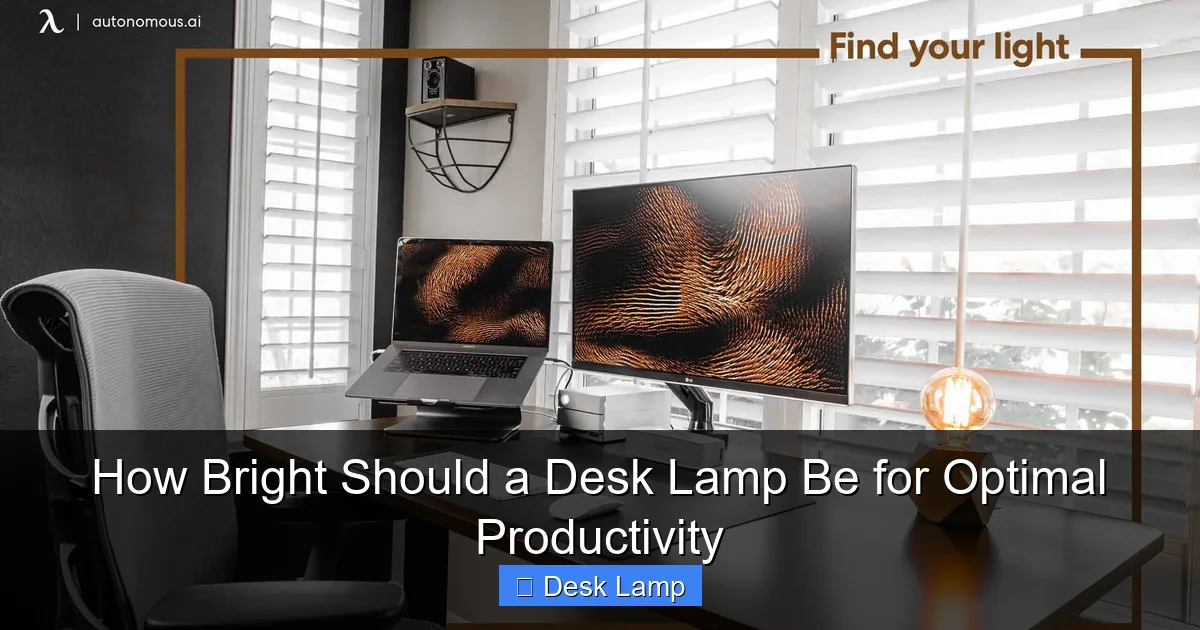
Not all tasks require the same amount of light. Understanding your specific needs will help you choose the right brightness for your desk lamp.
Visual guide about How Bright Should a Desk Lamp Be for Optimal Productivity
Image source: cdn.autonomous.ai
Consider the Task Type
- Reading: Requires more brightness. Aim for at least 600 lumens.
- Writing: A moderate level of brightness (400-500 lumens) is sufficient.
- Crafting or Drawing: You’ll need bright, focused light – aim for 800 lumens or more.
Assessing Room Size
The size of your room plays a crucial role in how bright your desk lamp should be. A small room may feel well-lit with fewer lumens, while a larger room may require more. Here’s how to assess:
- Small rooms (less than 100 sq ft): 400-500 lumens may suffice.
- Medium rooms (100-200 sq ft): 500-800 lumens are ideal.
- Large rooms (over 200 sq ft): Consider 800 lumens or more.
Choosing the Right Color Temperature
The color temperature of your desk lamp also affects productivity. Color temperature is measured in Kelvin (K) and influences how warm or cool the light appears.
Visual guide about How Bright Should a Desk Lamp Be for Optimal Productivity
Image source: m.media-amazon.com
Recommended Color Temperatures
- Warm White (2700K-3000K): Creates a cozy atmosphere but may cause eye strain for detailed tasks.
- Neutral White (3500K-4100K): Offers a balanced light that is good for most tasks.
- Cool White (5000K-6500K): Best for focus and concentration, mimicking daylight.
Adjustable Features for Flexibility
Choosing a lamp with adjustable brightness or color temperature can provide the flexibility you need for various tasks. Consider the following:
Types of Adjustable Features
- Dimming Options: A dimmer switch allows you to adjust brightness easily.
- Multiple Color Settings: Some lamps let you switch between warm and cool light for different tasks.
- Flexible Arms: Adjustable arms can direct light exactly where you need it.
Positioning Your Desk Lamp
The position of your lamp can significantly impact its effectiveness. Here are some tips for optimal positioning:
Best Practices for Lamp Placement
- Place the lamp to the opposite side of your dominant hand to avoid casting shadows.
- Ensure the light source is directed towards your work area but not directly into your eyes.
- Position the lamp at eye level or slightly above for even light distribution.
Practical Tips for Eye Comfort
Good lighting is essential for eye comfort, especially during long hours of work. Here are some practical tips:
- Use lamps with diffusers to soften harsh light.
- Take regular breaks to reduce eye strain.
- Adjust your lamp’s brightness based on the time of day and natural light availability.
Troubleshooting Common Lighting Issues
Sometimes, despite your best efforts, you may face challenges with your desk lamp. Here’s how to troubleshoot common issues:
Dim Light
If your desk lamp seems too dim, consider switching to a higher wattage bulb or adjusting the lamp’s position.
Glare or Harsh Light
To reduce glare, try using a lamp with a shade or diffuser. Adjusting the angle may also help.
Inconsistent Light Quality
If the light quality seems inconsistent, check if the bulb is loose or if it needs replacing. Often, changing the bulb can solve the problem.
Conclusion
Choosing the right brightness for your desk lamp is essential for creating a workspace that promotes productivity and comfort. By understanding lumens, considering your task-specific needs, and experimenting with different settings, you can find the perfect light for your workspace. Remember, the ultimate goal is to create an environment that enhances focus and minimizes eye strain. Happy lighting!
🎥 Related Video: what is the best type of lighting for the study or the office for working?
📺 Dear Modern