
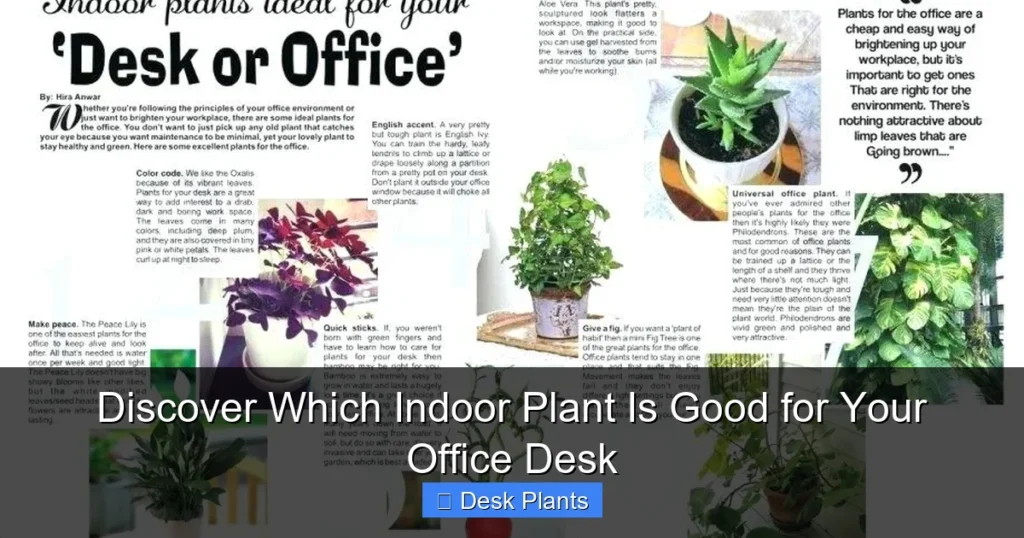
Choosing the right indoor plant for your office desk can boost your mood, clean the air, and enhance your workspace. This guide will help you pick the best low-maintenance plant for your specific office environment and teach you how to keep it thriving. Transform your desk into a green oasis with our simple, step-by-step advice.
Key Takeaways
- Match Plant to Light: Assess your desk’s natural light availability first; low-light tolerant plants like Snake Plants are safest for most offices.
- Prioritize Low Maintenance: For busy professionals, choose plants like ZZ Plants or Pothos that forgive irregular watering and care.
- Consider Air-Purifying Qualities: Plants like Peace Lilies and Spider Plants can help filter common office air pollutants, promoting a healthier environment.
- Start Small and Simple: If you’re new to plants, begin with one virtually indestructible variety before expanding your desk garden.
- Water Correctly, Not Often: Overwatering is the #1 killer of desk plants; always check soil moisture before adding water.
- Boost Well-being & Aesthetics: A living plant on your desk can reduce stress, increase productivity, and personalize your space effectively.
Discover Which Indoor Plant Is Good for Your Office Desk
Does your office desk feel a bit sterile? A blank computer screen. A stack of papers. Maybe a coffee mug. It needs life. It needs a touch of green. Adding an indoor plant to your office desk is one of the easiest and most effective ways to boost your mood, clean your air, and create a space you enjoy. But which plant is right for you? With so many options, it can be tricky. Don’t worry. This guide is your friendly roadmap. We will walk you through choosing and caring for the perfect low-maintenance indoor plant for your office desk. You’ll learn how to match a plant to your light, pick one that fits your care style, and keep it happy for years. Let’s get started.
Step 1: Assess Your Office Desk Environment
Before you fall in love with a pretty plant photo online, you need to be a detective. Look at your desk. The most important factor for a plant’s survival is light. Get this wrong, and nothing else matters.
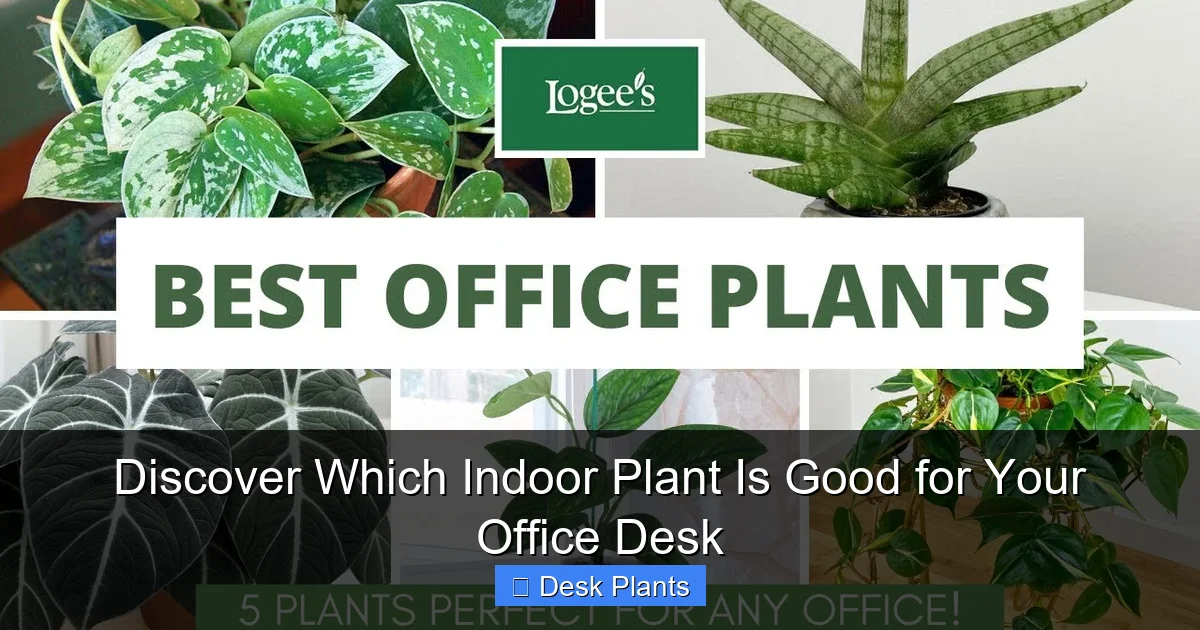
Visual guide about Discover Which Indoor Plant Is Good for Your Office Desk
Image source: i.ytimg.com
Determine Your Light Level
Spend a day noticing the light. Here’s a simple way to figure it out:
- Bright, Indirect Light: Your desk is near a window, but the sun’s rays never directly hit the spot where the plant will sit. This is the gold standard for many plants.
- Low Light: Your desk is far from windows (more than 6-8 feet), in a cubicle, or only has fluorescent overhead lighting. This is the most common office scene.
- Direct Sun: Your desk is right in front of a sunny, south-facing window. This can be too harsh for many typical desk plants, causing scorched leaves.
Pro Tip: If you can comfortably read a book at your desk without turning on a lamp during the day, you likely have decent indirect light. If you need the overhead lights on all day, you’re in low-light territory.
Consider Your Space and Habits
Next, ask yourself a few questions:
- How much physical space do I have? Is it a tiny corner or a large, empty desk?
- How often am I at the office? Do I work from home part of the week?
- Am I a meticulous planner or a “forgetful waterer”? Be honest!
- Do I have any pets that might visit the office? Some plants are toxic.
Answering these will guide you to a plant that fits your real life, not just your Pinterest dreams.
Step 2: Choose Your Perfect Office Desk Plant
Now for the fun part. Based on your environment assessment, here are the top champions for the office desk. These are all known for being tough, adaptable, and great for beginners.
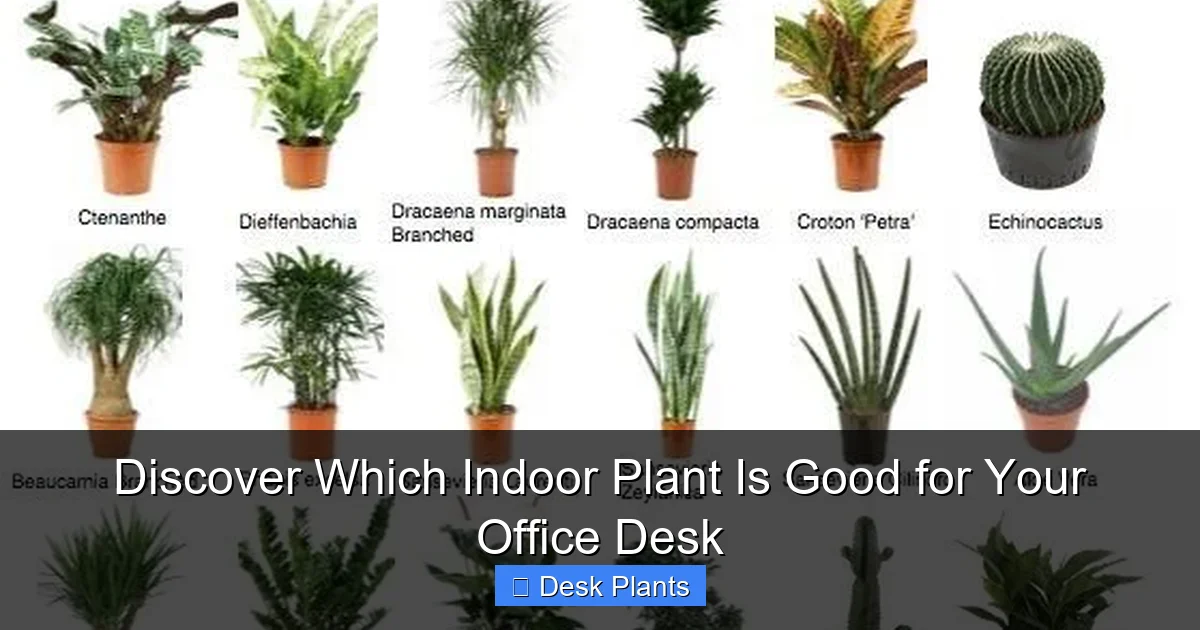
Visual guide about Discover Which Indoor Plant Is Good for Your Office Desk
Image source: i.pinimg.com
Best for Low-Light Desks
If your desk is in a dim corner, these are your best friends.
Snake Plant (Sansevieria): The undisputed king of neglect. It thrives on low light and infrequent watering. Its tall, architectural leaves add a modern vibe. It’s also a top air purifier.
ZZ Plant (Zamioculcas zamiifolia): Another legend. Its glossy, dark green leaves look almost fake because they’re so perfect. It stores water in its bulb-like roots, so you can forget it for weeks.
Pothos (Epipremnum aureum): A classic for a reason. Its trailing vines can be left long or trimmed. It tolerates low light well and will visibly droop when thirsty, making it a great teacher for new plant owners.
Best for Brighter Desks
If you have a well-lit spot, you have a few more colorful options.
Peace Lily (Spathiphyllum): This plant is elegant and communicative. It produces beautiful white flowers and will dramatically droop when it needs water, perking back up within hours after a drink. Great for air purification.
Spider Plant (Chlorophytum comosum): A cheerful, non-toxic plant. It produces “pups” or baby plants on long stems, which you can share with coworkers. It likes consistent moisture and bright, indirect light.
Peperomia (Various species): Comes in many fun textures and shapes, like the Watermelon Peperomia. They stay compact, love humidity, and are perfect for a small, bright desk spot.
Best for the Forgetful Waterer
If your work trips are frequent, choose these drought-tolerant survivors.
Snake Plant & ZZ Plant: Mentioned again because they are truly the most forgiving. Water them every 3-4 weeks, and they’ll be perfectly happy.
Succulents (e.g., Haworthia, Echeveria): Small succulents need a very bright spot and extremely well-draining soil. Water only when the soil is completely dry. They are cute but need that bright light to thrive.
Step 3: Master the Care Basics
You’ve chosen your plant! Now, let’s keep it alive and thriving with three simple rules.
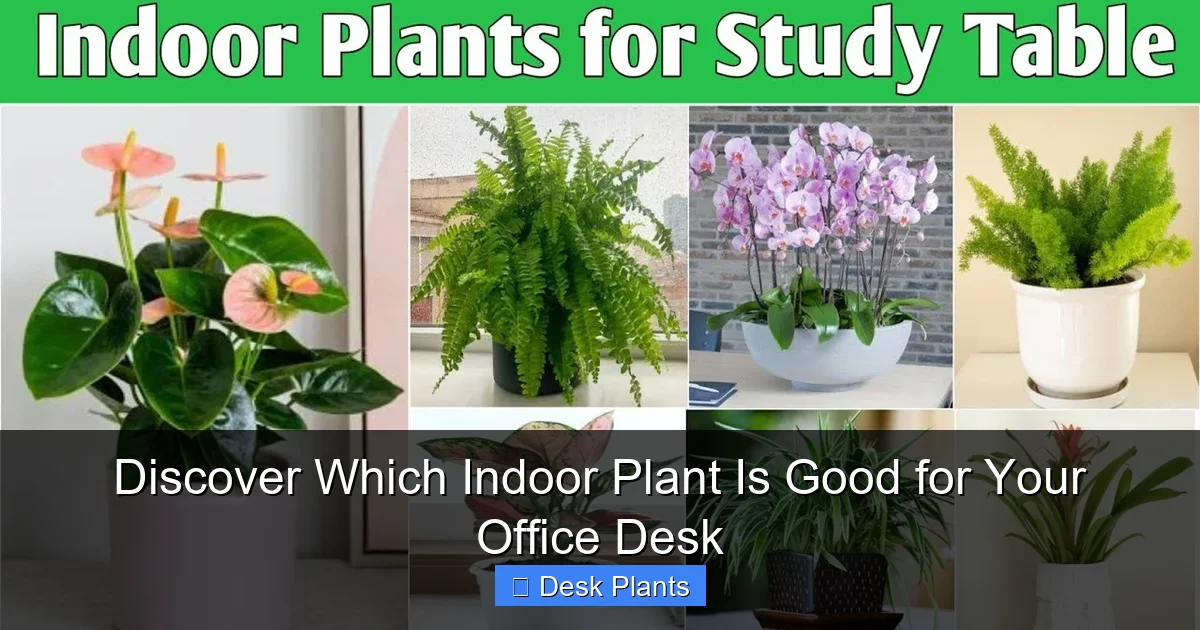
Visual guide about Discover Which Indoor Plant Is Good for Your Office Desk
Image source: i.ytimg.com
Rule #1: The Right Way to Water
Overwatering is the #1 killer of office plants. Do not water on a schedule. Instead, check the soil.
- For most plants (Snake, ZZ, Pothos): Stick your finger about an inch into the soil. If it’s dry, water thoroughly until water runs out the drainage hole. Then, let it drain completely. Never let the plant sit in a saucer of water.
- For succulents and cacti: Wait until the soil is completely dry all the way through.
Example: A Snake Plant in a low-light desk might only need water once a month in winter. The same plant on a brighter desk might need it every two weeks.
Rule #2: Find the Perfect Spot
Place your plant according to the light needs you learned in Step 1. A few more tips:
- Avoid direct, hot afternoon sun on most plants (it can scorch leaves).
- Keep plants away from direct blasts from heating or air conditioning vents, as this dries them out.
- Give your plant a quarter-turn every time you water it. This ensures all sides get even light and grow straight.
Rule #3: Feed and Groom Occasionally
Plants don’t need much food on your desk. A general rule:
- Fertilize: Use a balanced, water-soluble fertilizer. Do so only in the spring and summer (the growing season). Dilute it to half the recommended strength and apply every 4-6 weeks. Do not fertilize in fall and winter.
- Cleaning: Dust can build up on leaves, blocking light. Gently wipe leaves with a damp cloth every month or so. It helps your plant breathe and photosynthesize.
- Pruning: Use clean scissors to trim any yellow or dead leaves. For vining plants like Pothos, you can trim to control length.
Troubleshooting Common Desk Plant Problems
Even with great care, issues can pop up. Here’s a quick fix-it guide.
Yellowing Leaves: Usually a sign of overwatering. Check the soil! Let it dry out more between waterings. Could also be natural aging of older leaves.
Brown, Crispy Leaf Tips: Often caused by low humidity or chemicals in tap water (like fluoride). Try using filtered or distilled water. You can also mist the plant lightly, but good watering is more important.
Leggy, Stretched Growth: Your plant is reaching for more light. Move it to a brighter location if possible.
Dropping Leaves: Sudden leaf drop can be from a draft (cold or hot), a drastic change in location, or severe underwatering.
Pests (like gnats): Overly wet soil attracts fungus gnats. Let the soil dry out more between waterings. You can place yellow sticky traps in the pot to catch adults.
Conclusion: Your Desk, Transformed
Adding an indoor plant to your office desk is a small act with big rewards. You are not just decorating. You are inviting a living thing into your daily routine. It will clean your air. It will give your eyes a rest from the screen. It will make you smile on a tough day. Start simple. Choose a tough, low-maintenance plant that matches your desk light. A Snake Plant, a ZZ, or a Pothos are fantastic first choices. Remember the golden rule: when in doubt, don’t water. Your new green colleague is more resilient than you think. Enjoy the process of watching it grow. It’s a quiet, rewarding partnership that makes your workday—and your workspace—infinitely better.
🎥 Related Video: Best small table-top indoor plants for home & office ✅
📺 Wildmoss Nature Blog
Best small table-top indoor plants for home & office.