
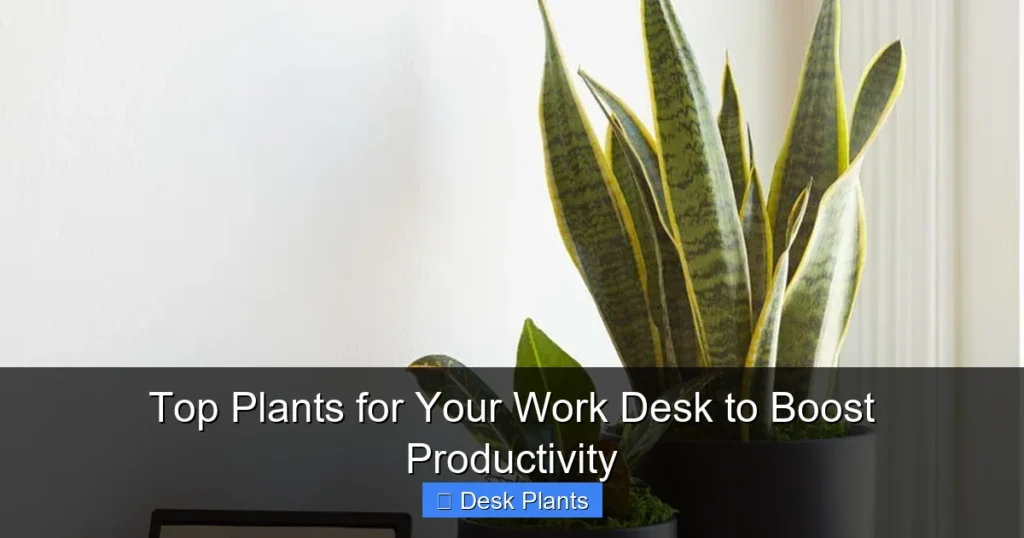
Adding plants to your work desk can significantly boost your productivity and enhance your well-being. This guide helps you select the right plants based on light, space, and care needs. You’ll find top picks like snake plants and pothos for a greener, more focused workspace.
Key Takeaways
- Plants Boost Productivity: Desk plants reduce stress, improve focus, and enhance creativity through biophilic effects.
- Low-Light Thrivers: Many plants, like ZZ plants and peace lilies, adapt well to office environments with minimal natural light.
- Easy Care Options: Succulents, air plants, and snake plants require little maintenance, perfect for busy professionals.
- Air Purification Benefits: Plants like spider plants and English ivy filter toxins, improving indoor air quality at your desk.
- Size and Placement Matter: Choose compact plants and arrange them to avoid clutter while maximizing aesthetic and functional benefits.
- Avoid Common Pitfalls: Steer clear of toxic plants if you have pets, and overwatering to prevent root rot.
- Regular Upkeep is Key: Simple routines like weekly watering and dusting keep your desk plants healthy and long-lasting.
Introduction: Why Add Plants to Your Work Desk?
Do you ever feel sluggish or distracted at work? You are not alone. Many people struggle with productivity in office settings. But what if a simple, natural solution could help? Adding plants to your work desk might be the answer. Studies show that desk plants can boost productivity by up to 15%. They reduce stress, improve air quality, and enhance focus.
In this guide, you will learn everything about choosing the best plants for your work desk. We will cover how to assess your workspace, pick the right plants, and care for them easily. By the end, you will have a greener, more productive desk. Let us dive in!
Step 1: Evaluate Your Workspace Conditions
Before buying any plant, look at your desk environment. This step ensures your plants thrive. Start by checking these factors.
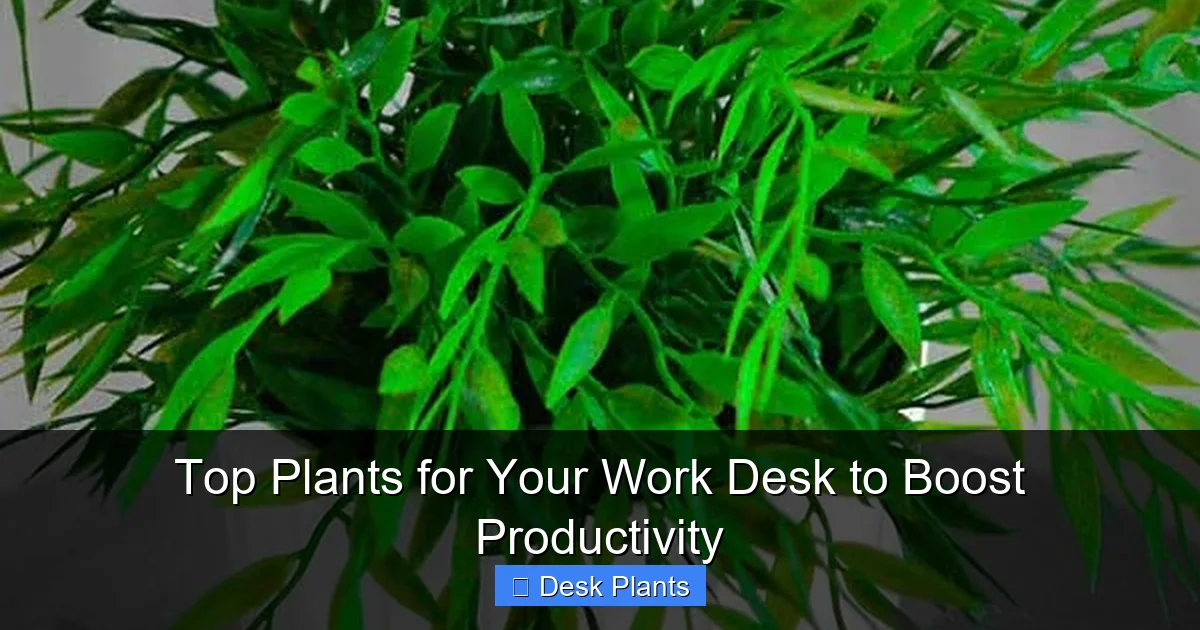
Visual guide about Top Plants for Your Work Desk to Boost Productivity
Image source: gardenandhappy.com
Assess Natural Light Availability
Light is crucial for plant health. Most offices have limited light. See how much sunlight your desk gets. Is it near a window? Or in a dim corner? Low-light plants are best for shady desks. Medium-light plants need indirect sun. High-light plants require direct sunlight. Use a light meter app if unsure. This helps you avoid plants that will wilt quickly.
Consider Desk Space and Size
Your desk might be small or cluttered. Measure the available space. Choose plants that fit without crowding your work area. Small pots, like 4-6 inches, are ideal. Hanging plants or wall-mounted options save space too. Think about height as well. Tall plants can block screens or cause distractions. Opt for compact varieties.
Check for Air Circulation and Humidity
Office air can be dry due to heating or cooling systems. Some plants prefer humid environments. Use a hygrometer to check humidity levels. If air is stale, pick plants that tolerate dry conditions. Good air flow prevents mold and pests. Avoid placing plants near vents or drafts. This keeps them healthy.
Step 2: Select the Best Plants for Your Desk
Now, choose plants that suit your desk. Here are top categories with examples. These plants are proven to boost productivity.
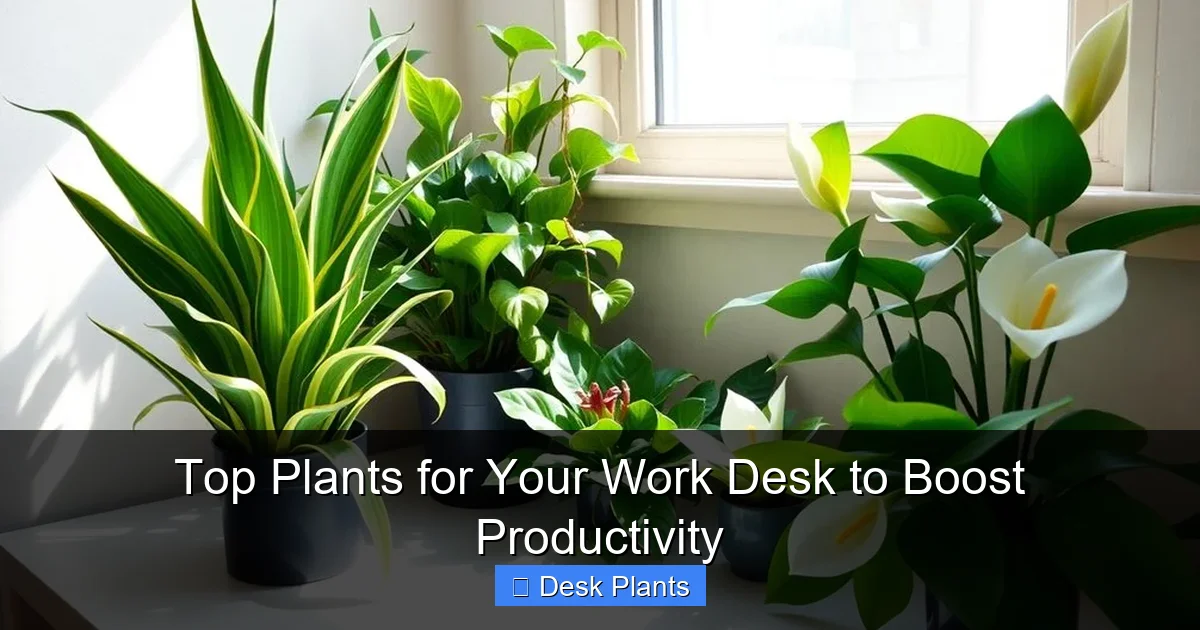
Visual guide about Top Plants for Your Work Desk to Boost Productivity
Image source: aromatherapynaturals.com
Top Low-Light Plants for Your Work Desk
Low-light plants survive in shady spots. They are perfect for most desks. The snake plant is a top pick. It has tall, striped leaves. It needs water only every 2-3 weeks. Another is the ZZ plant. It has glossy green leaves. It thrives on neglect. The pothos plant is also great. It trails beautifully and purifies air. These plants are hardy and easy to care for.
Air-Purifying Plants for Cleaner Air
Desk plants can remove toxins like formaldehyde. This improves your health and focus. The spider plant is excellent. It produces baby plants called pups. It loves indirect light. The peace lily has white flowers. It warns you by drooping when it needs water. The English ivy is another good choice. It reduces mold in the air. Place these near your computer for best results.
Low-Maintenance Plants for Busy Professionals
If you forget to water, pick low-maintenance plants. Succulents are popular. They store water in their leaves. Water them every 3-4 weeks. Cacti are similar. They come in fun shapes. Air plants are unique. They do not need soil. Just mist them weekly. These plants are tough and stylish.
Aesthetic and Mood-Boosting Plants
Some plants look pretty and lift your mood. Lavender has a calming scent. It reduces anxiety. Bamboo is lucky and elegant. It grows in water or soil. The rubber plant has large, dark leaves. It adds a touch of nature. These plants make your desk inviting. They help you feel happier at work.
Step 3: How to Pot and Place Your Plants
Once you have your plants, pot and arrange them well. This step ensures safety and beauty.
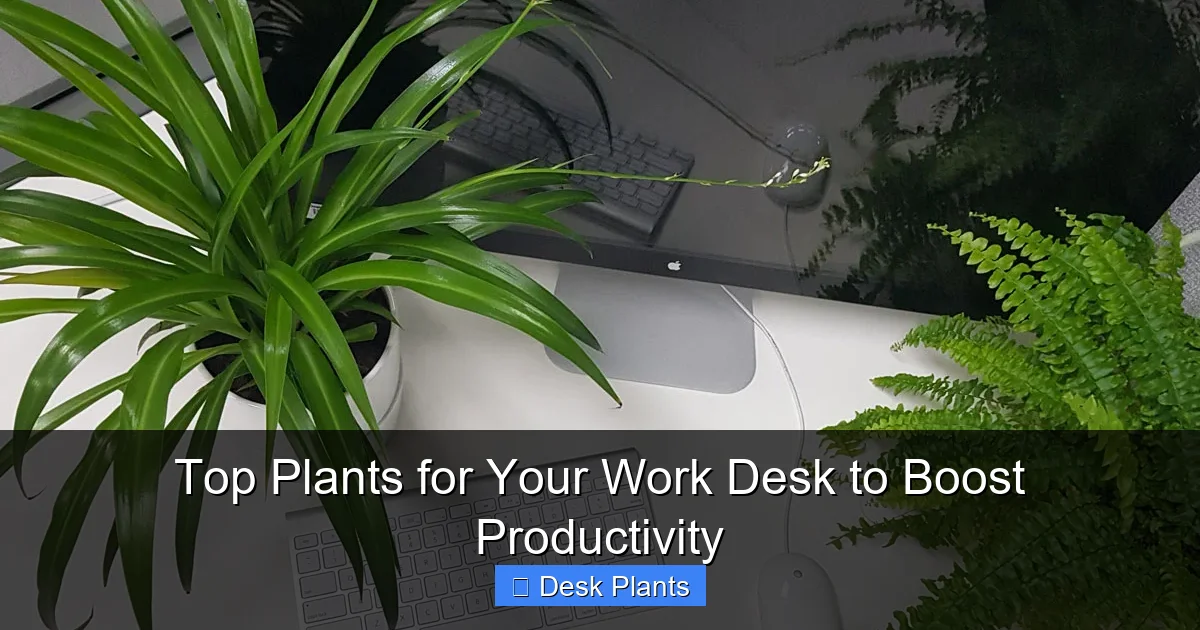
Visual guide about Top Plants for Your Work Desk to Boost Productivity
Image source: this.deakin.edu.au
Choosing the Right Pots and Containers
Pots should have drainage holes. This prevents overwatering. Use saucers to catch excess water. Pick pots that match your desk style. Ceramic pots are heavy and stable. Plastic pots are lightweight. Self-watering pots are handy for busy days. Ensure pots are the right size. Too big pots hold too much moisture. This can harm roots.
Arranging Plants for Optimal Impact
Do not clutter your desk. Place plants where they will not block monitors or documents. Group small plants together for a mini garden. Use plant stands to create levels. This adds visual interest. Keep toxic plants out of reach if you have pets or kids. Rotate plants occasionally for even growth. This keeps them looking fresh.
Ensuring Safety and Stability
Secure pots to avoid spills. Heavy pots are less likely to tip over. Avoid placing plants near electronics. Water spills can damage devices. Check for allergens. Some people are sensitive to pollen. Choose hypoallergenic plants like ferns. This ensures a safe workspace for everyone.
Step 4: Daily and Weekly Care Routine
Caring for desk plants is simple. Set a routine to keep them thriving.
Watering Schedules and Techniques
Overwatering is a common mistake. Check soil moisture before watering. Stick your finger an inch deep. If dry, water thoroughly. Most desk plants need water once a week. Succulents need less. Use room-temperature water. Avoid wetting leaves to prevent rot. Water in the morning for best absorption.
Fertilizing and Soil Management
Desk plants do not need much fertilizer. Use a balanced liquid fertilizer every 2-3 months. Dilute it to half strength. Refresh soil annually. Repot plants if roots outgrow pots. This gives them nutrients. Use well-draining soil mix. This supports root health.
Pruning and Cleaning Leaves
Remove dead leaves regularly. This encourages new growth. Wipe leaves with a damp cloth monthly. Dust blocks sunlight and reduces photosynthesis. Prune overgrown stems to maintain shape. This keeps plants neat and healthy.
Step 5: Troubleshooting Common Problems
Even with care, issues can arise. Here is how to fix them.
Dealing with Pests and Diseases
Common pests include aphids and spider mites. Isolate affected plants immediately. Wipe leaves with soapy water. Use neem oil as a natural pesticide. For diseases like root rot, cut away rotten parts. Repot in fresh soil. Prevent issues by keeping plants clean and not overwatering.
Addressing Light and Water Issues
If leaves turn yellow, you might be overwatering. Reduce watering frequency. If leaves are pale, increase light exposure. Move plants closer to a window. Use grow lights if natural light is scarce. Adjust care based on plant responses. Each plant has unique needs.
Reviving Unhealthy Plants
Do not give up on wilted plants. Check roots for health. Trim dead roots and repot. Increase humidity by misting. Provide consistent care. Most plants recover with patience. If a plant dies, learn from the experience. Try a different type next time.
Conclusion: Transform Your Workspace Today
Adding plants to your work desk is a simple step with big rewards. You will feel more productive, focused, and happy. Start by evaluating your desk. Then, pick plants that fit your style and needs. Care for them with a easy routine. Soon, your desk will be a green oasis.
Remember, even one small plant can make a difference. So, go ahead and choose your first desk plant. Boost your productivity and enjoy a healthier workday. Happy planting!
🎥 Related Video: 5 Easy Growing Plants for your Office Desk | Office Plants List #plants
📺 ecofynd
Adding plants to your office space can enhance the aesthetic appeal, improve air quality, and create a calming and productive …