
Choosing the right plant for your office desk can significantly improve your work environment. This guide helps you determine which plant is best for your office desk based on light, care needs, and benefits. Discover easy-to-care-for plants that thrive indoors and promote well-being.
Key Takeaways
- Low-Light Tolerance: Many office desks have limited sunlight, so choosing plants that thrive in low light is crucial for success.
- Air-Purifying Benefits: Plants like snake plants and peace lilies can remove toxins from the air, improving indoor air quality.
- Low Maintenance: Opt for plants that require minimal watering and care, such as ZZ plants or pothos, to fit busy schedules.
- Compact Size: Desk plants should be small to medium-sized to avoid overcrowding your workspace.
- Stress Reduction: Having a plant on your desk can reduce stress and boost mood, leading to increased productivity.
- Proper Care Routine: Understanding basic care steps like watering, light, and pruning ensures your plant stays healthy.
- Pet Safety: If pets visit your office, avoid toxic plants like philodendron or peace lily, and opt for pet-friendly options.
Introduction
Are you wondering which plant is best for your office desk? You’re not alone. Many people want to add a touch of nature to their workspace but aren’t sure where to start. In this comprehensive guide, you’ll learn everything about selecting, caring for, and benefiting from desk plants. We’ll cover top picks, care tips, and troubleshooting advice. By the end, you’ll know exactly which plant is best for your office desk to create a greener, healthier workspace. Let’s dive in!
Why Have Plants on Your Office Desk?
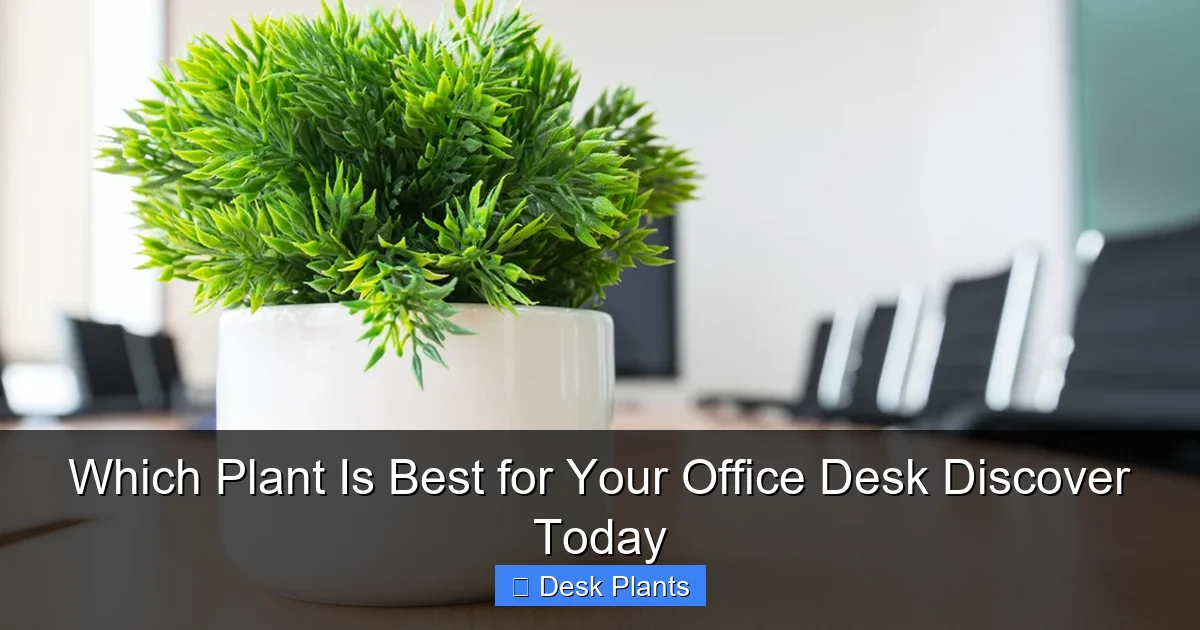
Plants do more than just decorate your desk. They bring life to your office. Studies show that desk plants can reduce stress by up to 30%. They also boost creativity and focus. Imagine feeling calmer and more productive with a little greenery nearby. Plants even improve air quality by filtering out toxins. This makes your office a better place to work. So, adding a plant is a small step with big rewards. It’s a natural way to enhance your well-being.
Visual guide about Which Plant Is Best for Your Office Desk Discover Today
Image source: smallbiztrends.com
Factors to Consider When Choosing Your Desk Plant
Before you pick a plant, think about your office setup. Here are key factors to help you decide which plant is best for your office desk.
Visual guide about Which Plant Is Best for Your Office Desk Discover Today
Image source: spandanindia.com
Light Conditions
Most offices have limited natural light. Look for plants that thrive in low to medium light. Avoid plants that need direct sun. If you have a window, place light-loving plants there. For dim desks, snake plants or ZZ plants are perfect. Always assess your desk’s light before buying.
Maintenance Level
Busy schedules demand low-maintenance plants. Choose plants that need little water and care. Succulents or pothos are great examples. They forgive occasional neglect. This makes them ideal for office life. You won’t spend much time tending to them.
Size and Space
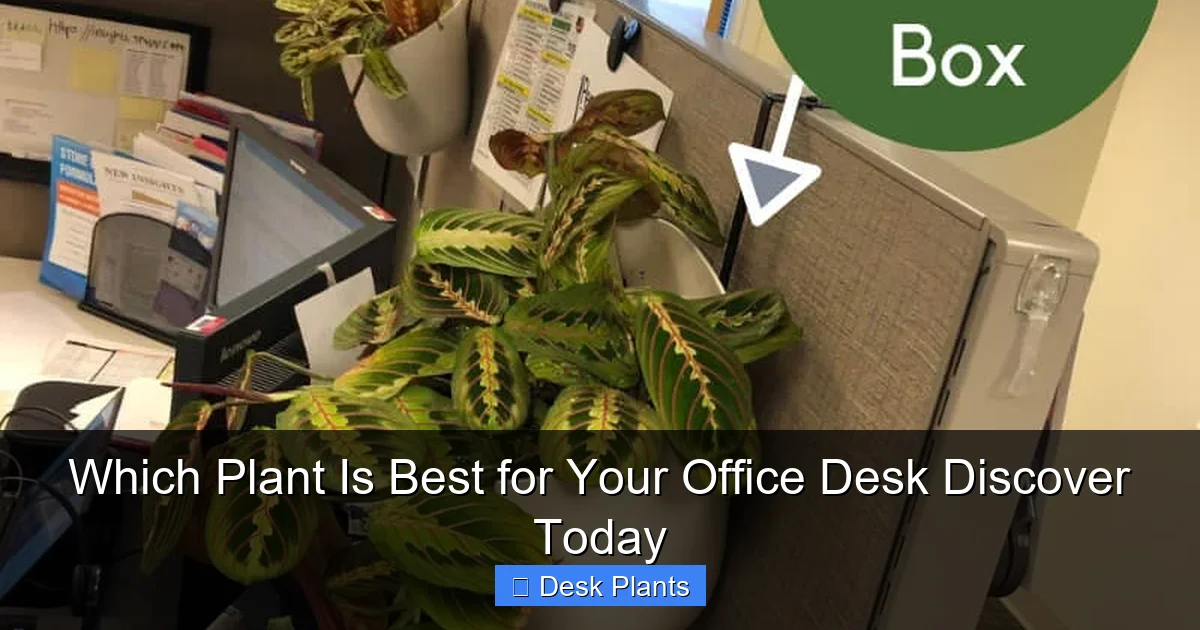
Your desk has limited space. Pick compact plants that fit nicely. Small pots or hanging plants work well. Avoid large plants that block your computer. Measure your desk area first. Then, choose a plant that complements your space.
Air-Purifying Qualities
Some plants clean the air better than others. If air quality concerns you, go for air-purifying plants. Peace lilies and spider plants are top choices. They remove toxins like formaldehyde. This leads to a healthier office environment.
Allergies and Toxicity
Consider allergies among coworkers. Some plants may trigger reactions. Also, if pets are around, avoid toxic plants. For example, philodendrons can harm cats and dogs. Opt for pet-safe plants like spider plants. Safety always comes first.
Top 10 Best Plants for Your Office Desk
Now, let’s explore the best plants for your office desk. Each plant has unique traits. This list will help you find which plant is best for your office desk based on your needs.
Visual guide about Which Plant Is Best for Your Office Desk Discover Today
Image source: greencleandesigns.com
1. Snake Plant (Sansevieria)
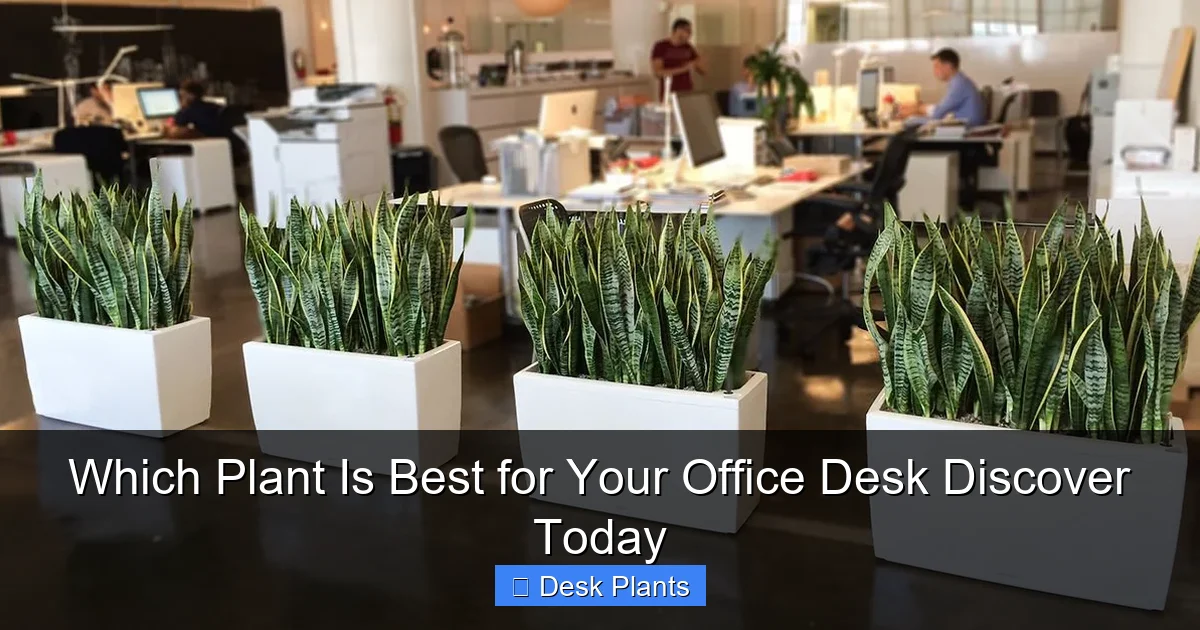
The snake plant is a top pick for which plant is best for your office desk. It’s super hardy. It thrives in low light and needs water only every few weeks. Its upright leaves add structure to your desk. Plus, it purifies air by removing toxins. It’s perfect for beginners.
2. ZZ Plant (Zamioculcas zamiifolia)
ZZ plants are nearly indestructible. They survive in low light and need minimal care. Water them once a month. Their glossy leaves look modern and sleek. They’re great for busy professionals. You can forget about them, and they’ll still thrive.
3. Pothos (Epipremnum aureum)
Pothos, or devil’s ivy, is a versatile vine. It grows well in low light. You can let it trail or climb on your desk. It’s easy to propagate. Share cuttings with colleagues. This plant adds a lush, green touch to any workspace.
4. Peace Lily (Spathiphyllum)
Peace lilies are beautiful with white flowers. They prefer low to medium light. They help purify the air and increase humidity. Note: they are toxic to pets. Keep them away from animals. They’re ideal for adding elegance to your desk.
5. Spider Plant (Chlorophytum comosum)
Spider plants are resilient and safe for pets. They produce “spiderettes” or baby plants. You can share these with friends. They thrive in indirect light. Water them moderately. They’re fun and easy to grow.
6. Lucky Bamboo (Dracaena sanderiana)
Lucky bamboo is often grown in water. It symbolizes good luck and fortune. It requires little care. Change the water every two weeks. Keep it in low to medium light. It’s a unique addition to your desk.
7. Chinese Evergreen (Aglaonema)
Chinese evergreens come in colorful varieties. They adapt well to low light. Water them when the soil feels dry. They’re low maintenance and air-purifying. They add a pop of color to your workspace.
8. Aloe Vera
Aloe vera is a succulent with healing properties. It loves bright light but tolerates some shade. Water it sparingly. The gel inside soothes burns. It’s practical and decorative for your desk.
9. Philodendron
Philodendrons have heart-shaped leaves. They grow well in low light. They can be trailing or upright. Like peace lilies, they are toxic to pets. They’re popular for their easy care and beauty.
10. Succulents (e.g., Echeveria, Haworthia)
Succulents are small and cute. They need bright light and minimal water. Place them near a window. They come in many shapes and colors. They’re perfect for adding a playful touch to your desk.
How to Care for Your Desk Plant: A Step-by-Step Guide
Once you’ve chosen which plant is best for your office desk, care is key. Follow these steps to keep your plant healthy and happy.
Step 1: Choose the Right Pot
Select a pot with drainage holes. This prevents waterlogging. Use a saucer to catch excess water. This protects your desk from damage. Pick a pot that matches your office style. Terracotta pots are breathable. Plastic pots are lightweight. Choose what works for you.
Step 2: Watering Properly
Overwatering is a common mistake. Check the soil before watering. Stick your finger an inch into the soil. If it’s dry, water the plant. Most desk plants like dry soil between waterings. Water less in winter. Adjust based on your plant’s needs.
Step 3: Providing Adequate Light
Place your plant where it gets the right light. Low-light plants can go on shaded desks. Bright-light plants need a windowsill. If natural light is low, use a grow light. Rotate the plant occasionally for even growth. Light is crucial for plant health.
Step 4: Fertilizing
Feed your plant during the growing season. Use a balanced liquid fertilizer. Spring and summer are best. Dilute it as instructed. Avoid over-fertilizing. This can burn the roots. Fertilize once a month for best results.
Step 5: Cleaning and Pruning
Dust can block light from leaves. Wipe leaves gently with a damp cloth. This helps the plant breathe. Prune dead or yellow leaves. Use clean scissors. This encourages new growth. Regular cleaning keeps your plant looking fresh.
Troubleshooting Common Desk Plant Problems
Even with care, problems can occur. Here’s how to fix common issues with your desk plant.
Yellowing Leaves
Yellow leaves often mean overwatering. Reduce watering frequency. Ensure the pot has drainage. If the soil is soggy, repot the plant. Use fresh, well-draining soil. This can revive your plant quickly.
Drooping or Wilting
Wilting can be due to underwatering or too much light. Check the soil moisture. If dry, water the plant thoroughly. If the plant is in direct sun, move it to a shadier spot. Adjust care based on the cause.
Pests
Common pests include spider mites and mealybugs. Isolate the infected plant. Wipe leaves with insecticidal soap or neem oil. Repeat weekly until pests are gone. Prevent pests by keeping the plant clean.
Overwatering and Root Rot
Root rot shows as foul smell or mushy roots. Remove the plant from the pot. Cut away rotten roots. Repot in dry soil. Water sparingly afterward. This can save your plant from dying.
Conclusion
Choosing which plant is best for your office desk is an exciting journey. With the right plant, you can transform your workspace. We’ve covered top plants, care tips, and troubleshooting. Remember, factors like light and maintenance matter. Start with a low-maintenance plant like a snake plant. Watch it thrive on your desk. Enjoy the benefits of reduced stress and cleaner air. So, don’t wait. Discover which plant is best for your office desk today. Bring nature to your desk and boost your well-being every day.
🎥 Related Video: Best small table-top indoor plants for home & office ✅
📺 Wildmoss Nature Blog
Best small table-top indoor plants for home & office.