
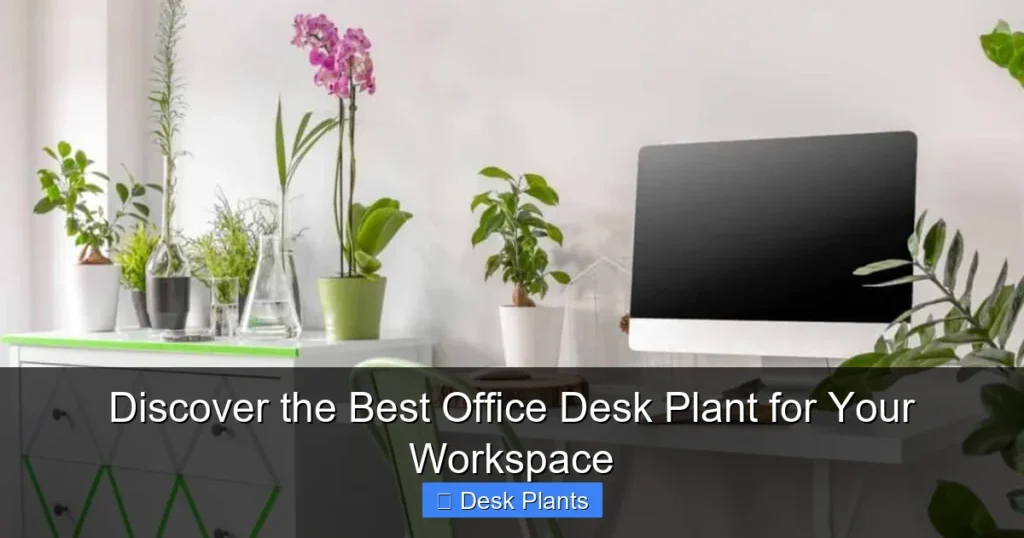
Choosing the best office desk plant can enhance your workspace by improving air quality, reducing stress, and boosting focus. This how-to guide provides step-by-step instructions to assess your office environment, select low-maintenance plants, and ensure their health. From snake plants to pothos, you’ll discover top picks that thrive on any desk.
Key Takeaways
- Assess your workspace first: Light, space, and humidity dictate which plants will thrive on your desk.
- Opt for low-maintenance plants: Busy offices benefit from forgiving plants like ZZ plants or succulents that need minimal care.
- Prioritize air-purifying species: Plants like spider plants or peace lilies filter toxins, improving indoor air quality and health.
- Match plant size to your desk: Compact plants like peperomia fit small spaces, while larger desks can accommodate fiddle leaf figs.
- Monitor for common issues: Yellow leaves or drooping often signal watering problems that are easy to correct with simple tweaks.
- Boost office well-being: Desk plants reduce stress, increase creativity, and make your workspace more inviting and productive.
Introduction: Why Your Desk Needs a Plant
Do you ever feel your office desk is a bit dull? Adding a plant can change that. The best office desk plant does more than look pretty. It cleans the air. It cuts stress. It helps you focus. But with so many plants out there, how do you pick the right one? This guide is here to help. You will learn how to find the perfect plant for your desk. We will cover light, care, and top picks. Let’s make your workspace greener and happier.
Step 1: Evaluate Your Office Workspace Conditions
Before you buy any plant, look at your desk. Your office environment sets the stage for plant health. Ignore this, and your plant might struggle. Follow these sub-steps to get it right.

Visual guide about Discover the Best Office Desk Plant for Your Workspace
Image source: gardenerspath.com
Check Natural Light Availability
Light is food for plants. See how much light your desk gets. Is it near a window with bright sun? Or is it in a dim corner? Hold your hand up to the spot. If you see a sharp shadow, it’s bright light. A fuzzy shadow means medium light. No shadow means low light. Most offices have low to medium light. Pick plants that match. For example, snake plants do well in low light. Succulents need bright light.
Measure Your Desk Space
How much room do you have? Use a tape measure. Note the height and width. Small desks need small plants. Think about a tiny cactus or a air plant. Big desks can handle larger plants like a peace lily. Leave space for your computer and papers. You don’t want a jungle on your desk.
Consider Temperature and Humidity
Offices can be dry due to air conditioning or heating. Most plants like humidity around 40-60%. If your office is dry, pick plants that tolerate it. ZZ plants or pothos are good choices. Keep plants away from vents or drafts. Sudden temperature changes can harm them.
Step 2: Determine Your Plant Care Style and Commitment
Be honest with yourself. How much time can you give to a plant? Some plants need daily care. Others thrive on neglect. Your lifestyle matters.

Visual guide about Discover the Best Office Desk Plant for Your Workspace
Image source: i.ytimg.com
Low-Maintenance vs. High-Maintenance Plants
Low-maintenance plants are perfect for busy people. They need water only when the soil is dry. Examples include snake plants and cast iron plants. High-maintenance plants, like orchids, need regular watering and feeding. For most offices, low-maintenance is the way to go.
How Often Can You Water and Care?
Set a simple schedule. Maybe check your plant every Monday. Touch the soil. If it’s dry, water it. If you travel often, pick drought-tolerant plants. Succulents store water in their leaves. They can go weeks without a drink.
Step 3: Review the Best Office Desk Plant Candidates
Now, let’s explore top plants. These are proven winners for desks. They fit different needs and looks.
Visual guide about Discover the Best Office Desk Plant for Your Workspace
Image source: i.ytimg.com
Air-Purifying Champions
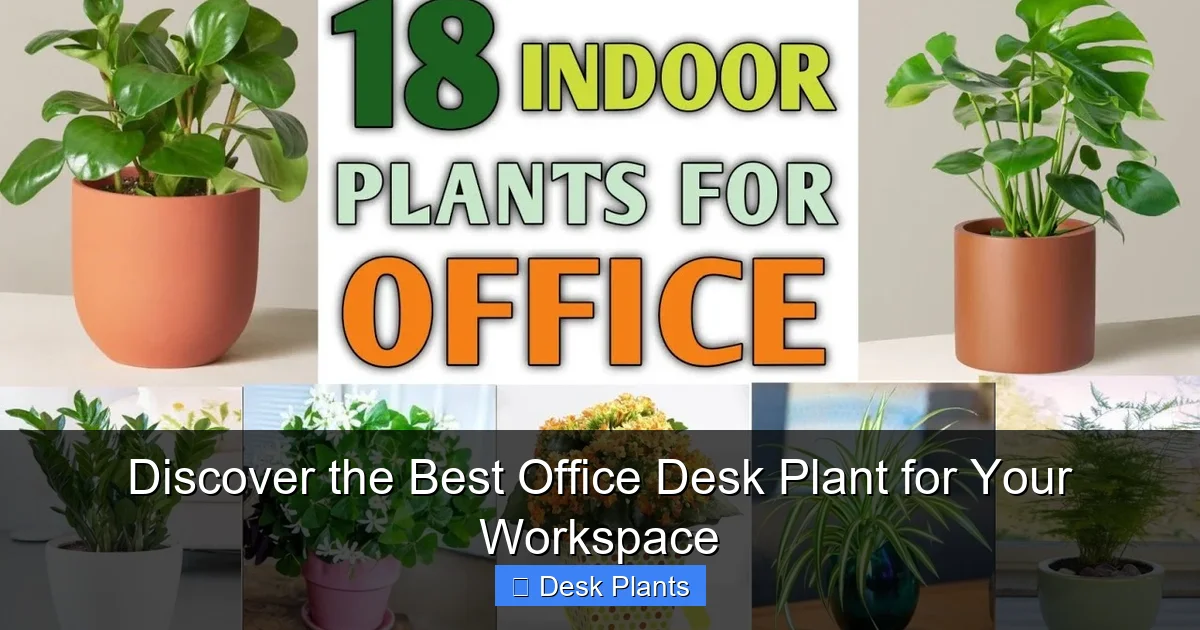
NASA studies show some plants remove toxins. These are great for offices. The snake plant is a top pick. It filters formaldehyde and benzene. It also works in low light. The spider plant is another hero. It fights carbon monoxide and xylene. Plus, it’s easy to grow. The peace lily adds white flowers. It removes ammonia and mold spores. Keep it in medium light.
Low-Light Tolerant Plants
If your desk is dark, don’t worry. Some plants love low light. The ZZ plant has glossy leaves. It survives with little water and light. The pothos vine trails beautifully. It grows in low light and purifies air. The Chinese evergreen has colorful leaves. It thrives in shade and neglect.
Succulents and Cacti for Easy Care
These plants are tough and trendy. They need bright light but little water. Aloe vera is useful for burns. It likes sunny spots. The jade plant symbolizes good luck. Water it only when the soil is dry. Small cacti come in fun shapes. They add a quirky touch to your desk.
Flowering Plants for Color and Vibrancy
Want a pop of color? Try flowering plants. African violets bloom in low light. Keep them moist but not wet. Orchids are elegant but need care. They like humidity and indirect light. Begonias have bright flowers and leaves. They do well in medium light.
Step 4: How to Select and Purchase Your Desk Plant
Time to buy your plant. Do it wisely to get a healthy start.
Where to Buy Healthy Plants
Buy from local nurseries or garden centers. They often have better care. Online stores are convenient. Read reviews. Avoid plants from big box stores if they look sick. Check for return policies.
What to Look for When Choosing a Plant
Inspect the plant closely. Leaves should be green and firm. No yellow or brown spots. Check for pests under leaves. Look at the soil. It should smell fresh, not moldy. Avoid plants with roots coming out of the pot. That means they are root-bound.
Step 5: Proper Placement and Care for Long-Term Health
You have your plant. Now, keep it alive and thriving. Follow these tips.
Ideal Spot on Your Desk
Place your plant where it gets the right light. Rotate it weekly for even growth. Keep it away from computer heat or phone radiation. A small tray under the pot catches water. This protects your desk.
Watering Schedule and Techniques
Overwatering is a common killer. Water only when the top inch of soil is dry. Use room-temperature water. Pour slowly until it drains out the bottom. Never let the plant sit in water. That causes root rot.
Fertilizing and Pruning Tips
Fertilize during growth seasons, spring and summer. Use a balanced liquid fertilizer. Dilute it to half strength. Prune dead leaves with clean scissors. This keeps the plant tidy and healthy.
Step 6: Troubleshooting Common Desk Plant Problems
Even with care, issues can arise. Here’s how to fix them.
Signs of Overwatering or Underwatering
Yellow leaves often mean too much water. Let the soil dry out. Drooping or crispy leaves mean too little water. Water thoroughly. Adjust your schedule based on the plant’s needs.
Dealing with Pests and Diseases
If you see bugs, isolate the plant. Wipe leaves with soapy water. For fungi, remove affected parts. Improve air flow. Use natural pesticides if needed.
Reviving a Struggling Plant
If your plant looks sad, check the basics. Light, water, and soil. Repot if the soil is old. Trim dead roots. Be patient. Many plants bounce back with proper care.
Conclusion: Transform Your Workspace Today
Finding the best office desk plant is easy with this guide. Start by assessing your desk. Pick a plant that fits your light and care style. Choose from top picks like snake plants or pothos. Care for it with simple steps. Enjoy the benefits. A greener desk means a happier you. Go ahead, add a plant to your workspace. Watch it grow and boost your day.
🎥 Related Video: 5 best plants for office desk | indoor plants #indoorgardening #indoorplants
📺 Knowyourplants2.0🌱