
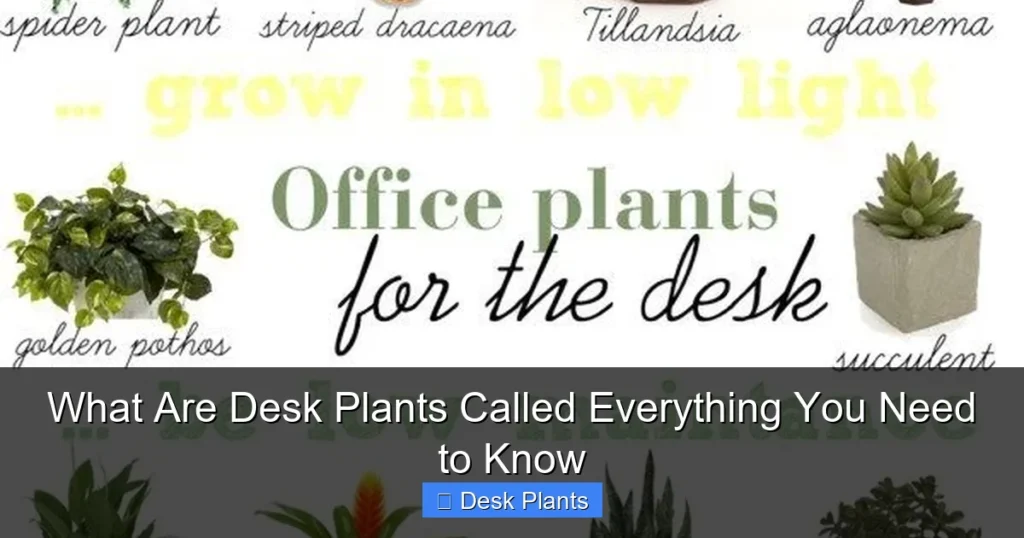
Desk plants are most commonly called office plants or desktop plants, falling under the broader category of houseplants. This guide explains the different terms used, the science behind their benefits, and provides a step-by-step method for selecting and caring for the perfect low-maintenance, mood-boosting greenery for your workspace.
Key Takeaways
- They Have Multiple Names: The most accurate terms are “office plants,” “desk plants,” or “desktop plants,” which are all subsets of easy-care “houseplants.”
- Benefits Are Proven: Studies show they reduce stress, boost productivity, and slightly improve air quality by increasing humidity and removing trace toxins.
- Key Traits Define Them: Ideal desk plants are typically slow-growing, tolerant of low light and irregular watering, and are compact in size.
- Selection is a Process: Success starts by auditing your desk’s light, space, and your own commitment to care before choosing a specific plant.
- Care is Simple but Specific: Overwatering is the #1 killer. Learning your plant’s specific light and water needs is crucial for long-term health.
- Troubleshooting is Part of the Journey: Yellow leaves, brown tips, or leggy growth are common signs that help you adjust your care routine.
What Are Desk Plants Called? Your Complete Guide to Greening Your Workspace
Have you ever looked at a coworker’s lush, green desk and wondered, “What are those desk plants called?” You’re not alone. Bringing nature into your workspace is one of the easiest and most effective ways to boost your mood and productivity. But before you run to the garden center, it helps to know what you’re looking for. This guide will answer that question in detail and give you everything you need to become a confident desk plant owner. We’ll cover the correct terms, the best plants for beginners, and simple care tips to keep your new green friends thriving.
The Simple Answer: What Are Desk Plants Called?
Let’s cut to the chase. Those little bits of greenery on your colleague’s desk have a few common names.
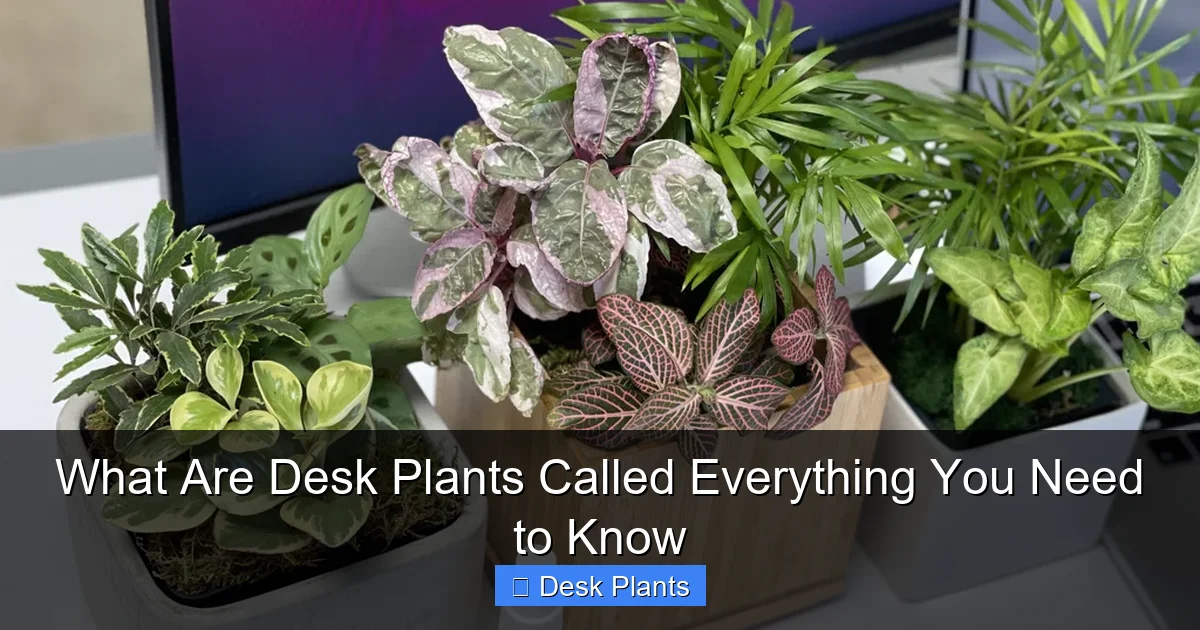
Visual guide about What Are Desk Plants Called Everything You Need to Know
Image source: blog.gardenuity.com
The most accurate and widely used term is office plants or desk plants. These names specify the location where the plant lives. Sometimes, you might hear desktop plants, which means the same thing.
All of these fall under the huge umbrella category of houseplants or indoor plants. Not all houseplants make good desk plants. But all desk plants are houseplants. Think of it like this: a cactus is a type of plant. A desk plant is a houseplant chosen for a specific job—living happily on your desk.
You might also see terms like low-light plants, air-purifying plants, or succulents used to describe them. These refer to the qualities that make them suitable for desk life. Now that we’ve solved the naming mystery, let’s dive into why you should get one.
Why You Need a Plant on Your Desk: The Science of Green
It’s not just about looks. Studies have shown real benefits to sharing your workspace with plants.
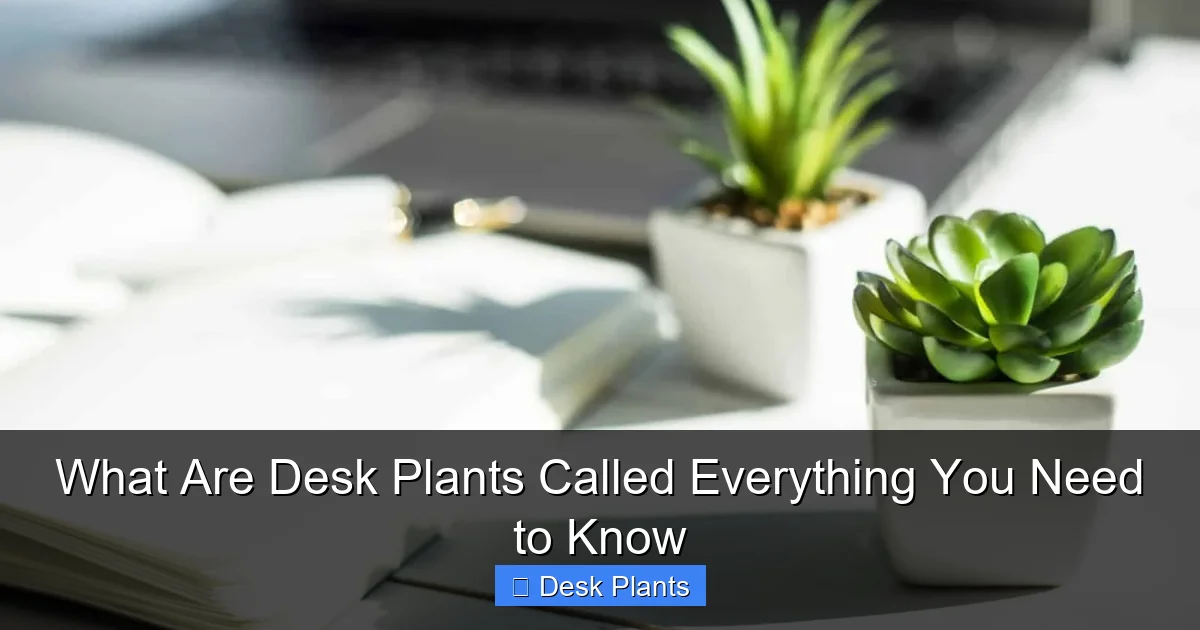
Visual guide about What Are Desk Plants Called Everything You Need to Know
Image source: planetnatural.com
First, they reduce stress. Looking at greenery can lower your heart rate and blood pressure. In one study, offices with plants saw a 37% drop in reported tension and anxiety.
Second, they boost productivity and creativity. Plants can improve concentration by up to 15%. A livelier, more natural environment helps your brain feel more engaged.
Third, they can improve air quality. While you’d need a forest to truly purify a room, plants do add humidity and remove trace volatile organic compounds (VOCs). They act as a natural, mini air filter.
Finally, they simply make your space more personal and inviting. A plant is a living thing you care for. It adds a touch of life to a often sterile environment.
Step 1: Find the Perfect Plant for Your Desk
Choosing your first desk plant is exciting. Follow these steps to make a choice you won’t regret.
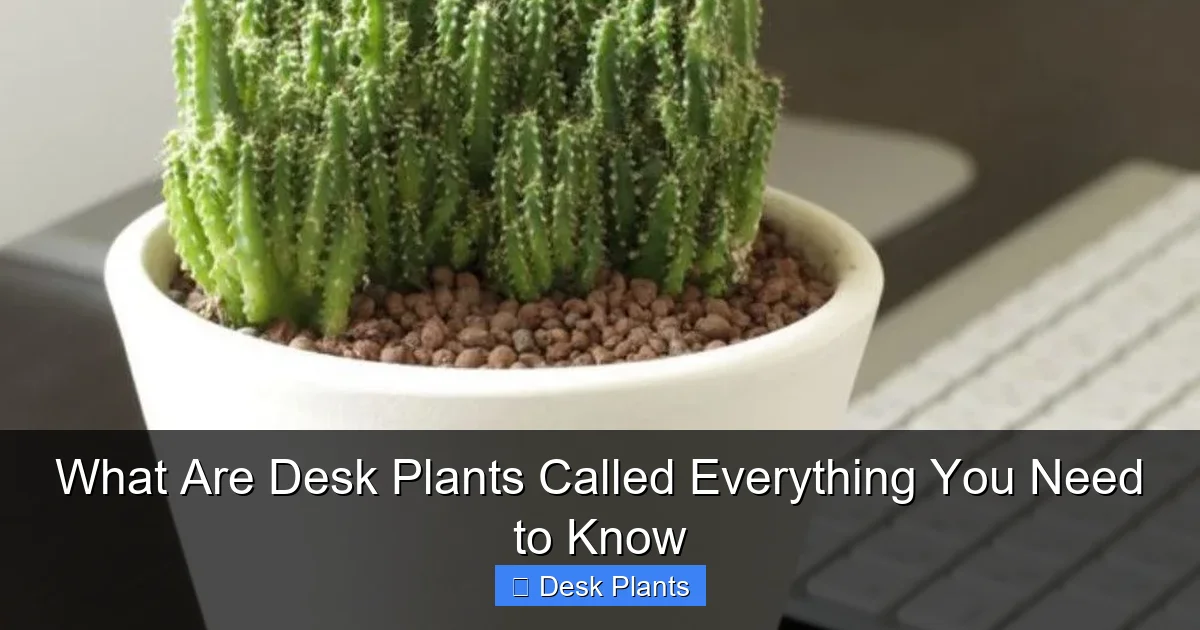
Visual guide about What Are Desk Plants Called Everything You Need to Know
Image source: i.pinimg.com
Audit Your Desk Environment
Before you pick a plant, look at your desk. How much light does it get? Is it near a window (bright, indirect light)? Is it in the middle of a fluorescent-lit room (low light)? Most office desks have low to medium light.
Next, check your space. How much room do you have? Is it just a corner of your desk, or do you have a shelf or filing cabinet top? Measure the space.
Finally, be honest about your habits. Are you a frequent waterer or do you tend to forget? Your lifestyle will help pick the best plant for you.
Top 10 Best “Beginner” Desk Plants
Here are the champions of the desk plant world. They are tough, attractive, and forgiving.
- Snake Plant (Sansevieria): The ultimate tough guy. It thrives on neglect, loves low light, and has sharp, architectural leaves.
- ZZ Plant (Zamioculcas zamiifolia): Glossy, dark green leaves. It stores water in its potato-like roots, so it can go weeks without a drink.
- Pothos (Epipremnum aureum): A fast-growing vine with heart-shaped leaves. It’s incredibly adaptable and tells you it’s thirsty by drooping.
- Spider Plant (Chlorophytum comosum): Great for hanging pots or tall shelves. It produces “baby” plants you can share with coworkers.
- Peace Lily (Spathiphyllum): One of the few desk plants that flowers indoors. It droops dramatically when it needs water, then perks right up.
- Chinese Evergreen (Aglaonema): Comes in beautiful speckled and colored varieties. It’s very slow-growing and low-light tolerant.
- Philodendron Heartleaf: Similar to Pothos, with cute, heart-shaped leaves. It’s a vigorous and forgiving trailing plant.
- Lucky Bamboo (Dracaena sanderiana): Not a true bamboo. It grows happily in just a vase of water, making it super simple.
- Haworthia or Aloe Vera: Small succulents that need bright light. Perfect for a sunny desk spot. Water only when soil is bone dry.
- Air Plants (Tillandsia): They don’t need soil! Just mist them or soak them in water once a week. Great for creative displays.
Step 2: How to Care for Your Desk Plant
You’ve chosen your plant. Now, let’s keep it alive and thriving with these core care principles.
The Golden Rule: Watering Correctly
Overwatering is the #1 cause of desk plant death. Most desk plants need less water than you think.
Do not water on a schedule. Instead, check the soil. Stick your finger about an inch deep. If it feels dry, it’s time to water. If it feels damp, wait.
When you do water, do it thoroughly. Pour water slowly until it runs out of the drainage holes at the bottom of the pot. This ensures the roots get a good drink. Never let your plant sit in a saucer of standing water. Empty it after 15 minutes.
Understanding Light: Low, Medium, Bright
Light is food for plants. Match your plant to the light you have.
- Low Light: Far from windows, office fluorescents only. Snake Plant, ZZ Plant, Pothos.
- Medium/Indirect Light: Near a north-facing window or set back from a sunny one. Peace Lily, Spider Plant, Philodendron.
- Bright Light: Direct sun for a few hours a day (east/west window). Succulents, Cacti, Aloe.
Rotate your plant a quarter turn every time you water. This keeps it growing evenly, not leaning toward the light.
Feeding and Maintenance
Desk plants are light feeders. Use a balanced liquid houseplant fertilizer. Dilute it to half strength. Feed only during the growing season (spring and summer), about once a month.
Dust the leaves! Dust blocks light. Gently wipe leaves with a damp cloth every few weeks. This helps your plant breathe and photosynthesize.
Repot only when you see roots growing out of the drainage holes. Move to a pot only 1-2 inches larger in diameter.
Step 3: Troubleshooting Common Desk Plant Problems
Don’t panic if your plant looks sad. Here’s how to read the signs and fix common issues.
Yellow Leaves
This is often a sign of overwatering. Check the soil. Is it soggy? Let it dry out completely before watering again. You may need to repot if the roots are rotting.
Brown, Crispy Leaf Tips
Usually caused by low humidity or chemicals in tap water. Try using filtered or distilled water. You can also group plants together to create a more humid microclimate.
Leggy, Stretched Growth
Your plant is reaching for more light. It’s not getting enough. Move it to a brighter location, or consider getting a grow light for your desk.
Dropping Leaves
Sudden leaf drop can be from a drastic change in temperature (draft from AC/heat) or shock
Pests (Gnats, Mealybugs)
Isolate the plant immediately. For fungus gnats (tiny black flies), let the soil dry out completely. For mealybugs (white cottony bugs), dab them with a Q-tip dipped in rubbing alcohol.
Conclusion: Start Your Desk Plant Journey Today
So, what are desk plants called? They’re your new productivity partners, your stress-relief buddies, and your living desk decor. They go by names like office plants, desk plants, or low-light houseplants. Choosing and caring for one is a simple, rewarding process. Start with a tough beginner plant like a Snake Plant or Pothos. Learn its simple needs for light and water. Enjoy the life and calm it brings to your daily grind. Your desk—and your mind—will be greener and happier for it. Why not make today the day you bring a little green to your screen?
🎥 Related Video: Plants Name | 10 Plants Name | Plants Name in English | Plant Name | Ornamental Plants
📺 Fast Study
10 Plants Name | Plants name | Plants Name in English | Plant Name | Ornamental Plants Hello friends, welcome to my channel.