

Mopping can clean floors effectively, but only when done correctly. This guide explores the science behind mopping, debunks myths, and provides a step-by-step method for truly clean floors. Transform your cleaning routine with our practical advice and troubleshooting tips.
Key Takeaways
- Mopping is Effective with Proper Technique: Simply dragging a mop won’t clean; you need the right method to remove dirt and germs.
- Preparation is Crucial: Sweeping or vacuuming before mopping prevents spreading grit and ensures better results.
- Choose the Right Tools: Using a microfiber mop and appropriate cleaning solution enhances cleaning power.
- Water Temperature and Solution Matter: Hot water and suitable cleaners break down grime more effectively than cold water alone.
- Change Water Frequently: Dirty mop water redistributes soil; change it regularly for hygienic cleaning.
- Dry Floors to Prevent Streaks and Bacteria: Allowing floors to air dry can leave residues; drying with a clean towel improves cleanliness.
- Regular Maintenance is Key: Frequent light mopping is better than occasional deep cleans for maintaining floor hygiene.
Does Mopping Really Clean Floors? Get the Facts Now
Have you ever mopped your floor and wondered if it’s truly clean? You might see streaks, feel sticky spots, or notice dirt lingering in corners. So, does mopping really clean floors? The answer is yes, but with a big catch. Mopping can clean floors effectively, but only if you do it right. In this guide, we’ll dive deep into the facts. You’ll learn how mopping works, common mistakes, and a proven step-by-step process. By the end, you’ll know exactly how to make your floors sparkle and stay hygienic. Let’s get started!
The Science Behind Mopping: Does It Really Clean?
To understand if mopping really cleans floors, we need to look at the science. Mopping is a form of wet cleaning. It uses water, a cleaning solution, and a mop to loosen and remove dirt, grime, and germs. But here’s the key: mopping doesn’t just pick up dirt. It also spreads it around if done poorly. Think of it like this. When you mop, you’re essentially wiping a wet cloth over the floor. The mop absorbs some dirt, but it can also push dirt into cracks or leave behind a film. For mopping to work, it must combine mechanical action (scrubbing) with chemical action (cleaning agents) and proper rinsing. Studies show that effective mopping reduces bacteria and allergens, but only when tools and techniques are optimal. So, does mopping really clean floors? Yes, when it’s done with precision and care. Otherwise, you might just be moving dirt from one spot to another.
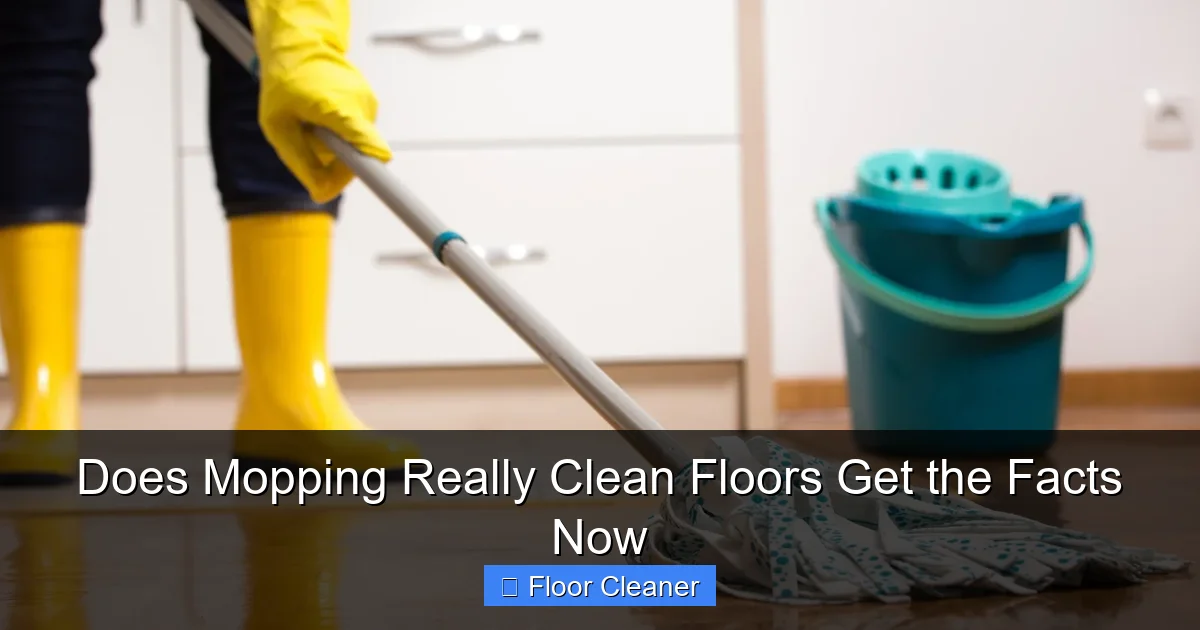
Visual guide about Does Mopping Really Clean Floors Get the Facts Now
Image source: cleansweepofamerica.com
How Dirt and Germs Are Removed
Mopping removes dirt through adhesion and dissolution. The mop fibers trap particles, while the cleaning solution breaks down oils and stains. Hot water helps by softening grime. But if the mop is too dirty or the water is cold, cleaning power drops. That’s why technique matters so much.
The Role of Friction and Absorption
Friction from scrubbing action dislodges dirt. Absorption pulls it into the mop head. Microfiber mops excel here because they have tiny fibers that grab more dirt. Traditional string mops can hold more water but may not trap dirt as well. Choosing the right mop is part of the answer to does mopping really clean floors.
Common Mopping Mistakes That Leave Floors Dirty
Many people mop incorrectly, leading to poor results. Let’s fix that. First, using too much water can damage floors and spread dirt. Second, not preparing the floor by sweeping allows grit to scratch surfaces. Third, using dirty mop water turns cleaning into a mess. You’re essentially washing your floor with mud! Fourth, rushing through the process means missing spots. Fifth, using the wrong cleaner can leave residues or harm floor finishes. These mistakes are why some folks ask, does mopping really clean floors? It does, but only when you avoid these pitfalls. We’ll cover how to correct them in the steps below.
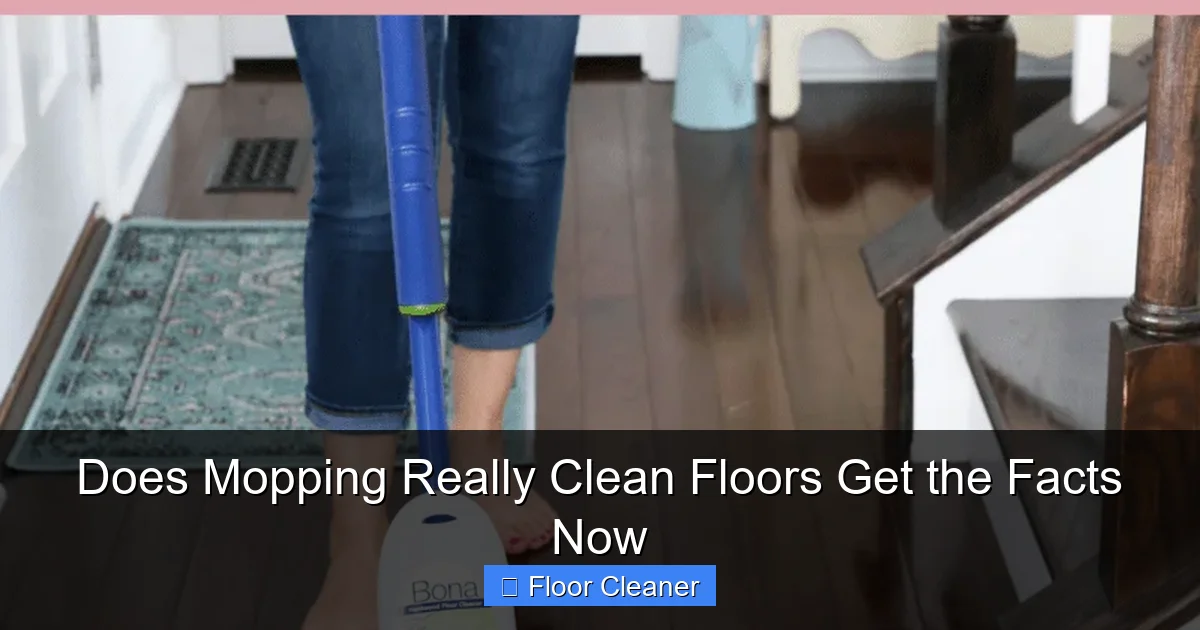
Visual guide about Does Mopping Really Clean Floors Get the Facts Now
Image source: justagirlandherblog.com
Skipping the Pre-Clean Sweep
Always sweep or vacuum first. This removes loose debris that could turn into mud when wet. If you skip this, your mop will push around crumbs and dust, making floors look worse.
Not Changing Mop Water
Water gets dirty fast. If you mop a whole house with one bucket, you’re spreading germs. Change water after every room or when it looks cloudy. This simple step boosts hygiene.
Essential Tools for Effective Mopping
Good tools make all the difference. Start with a quality mop. Microfiber mops are great for most floors. They’re absorbent and trap dirt well. For large areas, a spin mop bucket can help wring out excess water. You’ll also need a bucket, preferably two for a rinse method. Cleaning solutions should match your floor type. For example, use pH-neutral cleaners for hardwood. Don’t forget gloves to protect your hands and knee pads if you’re mopping by hand. Lastly, have clean towels for drying. With these tools, you’re set to explore does mopping really clean floors effectively.
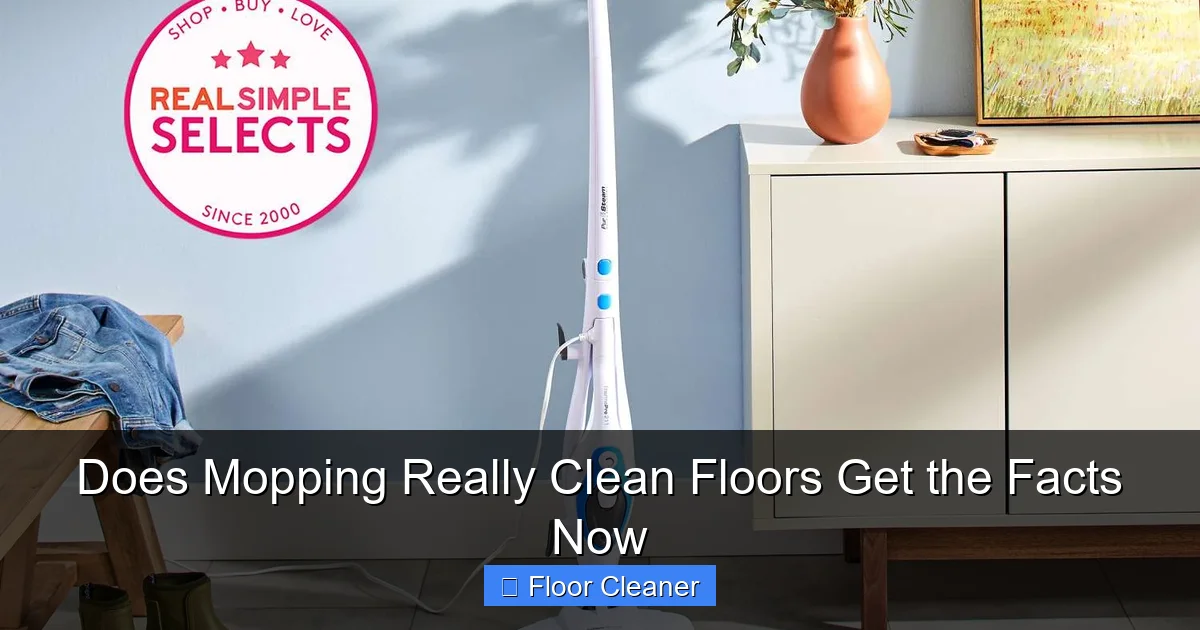
Visual guide about Does Mopping Really Clean Floors Get the Facts Now
Image source: realsimple.com
Choosing the Right Mop
Consider your floor type. For sealed hardwood, a damp mop works best. For tile, a string mop might be okay. But microfiber is versatile. It’s machine washable and durable. Invest in a good mop head that you can replace regularly.
Bucket Systems for Efficiency
Two-bucket systems are ideal. One for cleaning solution, one for rinse water. This prevents recontamination. Some mops come with built-in buckets and wringers. They save time and effort.
Step-by-Step Guide to Mopping Floors Properly
Now, let’s walk through the process. This is where you’ll see how mopping really cleans floors. Follow these steps for best results.
Step 1: Prepare the Area
Clear the room of furniture and obstacles. Sweep or vacuum thoroughly. Pay attention to corners and edges. This ensures no loose dirt interferes.
Step 2: Mix Your Cleaning Solution
Fill a bucket with hot water. Add the recommended amount of cleaner. Hot water helps dissolve grime. But check your floor manufacturer’s guidelines. Some floors, like laminate, need cooler water to prevent warping.
Step 3: Wet and Wring the Mop
Dip the mop into the solution. Wring it out well. The mop should be damp, not dripping. Excess water can damage floors and leave streaks. This is a key tip for effective cleaning.
Step 4: Mop in Sections
Start from the farthest corner and work towards the exit. Use figure-eight or S-shaped strokes. This covers evenly and avoids missing spots. Overlap strokes to pick up dirt. Ask yourself, does mopping really clean floors this way? Yes, because systematic coverage ensures all areas are addressed.
Step 5: Rinse and Repeat
After mopping a section, rinse the mop in a second bucket of clean water. Wring it out. This removes dirt from the mop. If you don’t have a rinse bucket, change the cleaning water often. Mop until the entire floor is done.
Step 6: Dry the Floor
Use a clean, dry towel to wipe the floor. This prevents streaks and speeds up drying. It also picks up any leftover residue. For large areas, you can use a dry mop or allow air drying, but towel drying is best for shine.
Choosing the Right Cleaning Solutions
The cleaner you use impacts results. For general floors, all-purpose cleaners work. But for specific needs, choose wisely. For disinfecting, use products with bleach or hydrogen peroxide, but dilute properly. For natural cleaning, vinegar and water can be used on some floors, but avoid it on stone or waxed surfaces as it can damage. Always test a small area first. The right solution helps answer does mopping really clean floors by breaking down stains without harming surfaces.
Homemade vs. Commercial Cleaners
Homemade mixes like dish soap and water are cheap and effective. But commercial cleaners are formulated for safety and efficiency. Read labels to ensure compatibility with your floors.
pH Balance Matters
Acidic cleaners (like vinegar) can etch stone. Alkaline cleaners (like ammonia) can strip wax. Neutral pH cleaners are safe for most floors. Check your floor type and choose accordingly.
Troubleshooting Common Mopping Problems
Even with good technique, issues can arise. Here’s how to fix them.
Streaky Floors After Mopping
Streaks often come from too much cleaner or hard water. Rinse the mop well and use less product. Dry the floor with a towel. If streaks persist, try a different cleaner.
Sticky Residue
This is usually from soap buildup. Mop again with plain water to rinse. In future, use less cleaner or switch to a rinse-free product.
Floors Still Look Dirty
If floors aren’t clean, you might need to pre-treat stains. Use a scrub brush on tough spots before mopping. Also, ensure your mop head is clean. Replace it if worn out.
Water Spots on Hardwood
Hardwood is sensitive. Always use a damp mop, not wet. Dry immediately. If spots appear, buff with a dry cloth. This reinforces that does mopping really clean floors depends on floor-specific care.
Conclusion: The Verdict on Mopping
So, does mopping really clean floors? Absolutely, when done correctly. It’s not just about sloshing water around. It’s a methodical process that combines preparation, the right tools, proper technique, and post-care. Mopping removes dirt, germs, and stains, leaving floors hygienic and shiny. Remember to sweep first, use hot water and suitable cleaners, change water often, and dry thoroughly. Regular mopping maintains floor health and appearance. Now you have the facts. Put this guide into action and enjoy truly clean floors every time. Happy mopping!
🎥 Related Video: Mopping tips!! #trending #clean #cleaning #youtubeshorts #cleaningservice #mopping #hacks
📺 Vanesa Amaro