
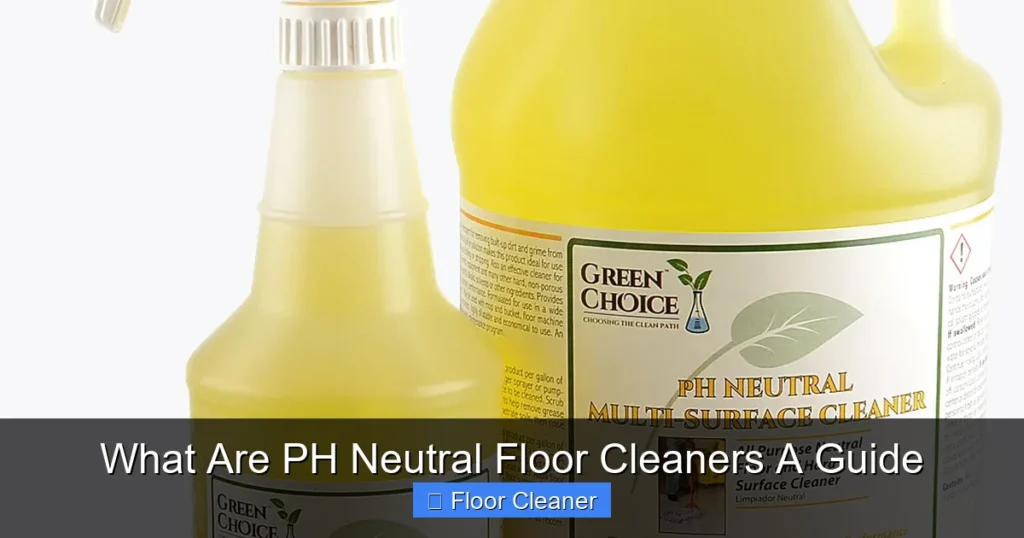
This guide explains everything you need to know about pH neutral floor cleaners. These versatile, non-toxic solutions safely clean a wide range of flooring without causing damage or residue. You will learn how to choose the right product and use it effectively for a pristine, well-maintained home.
Key Takeaways
- Safe for Most Surfaces: A pH neutral floor cleaner, with a pH close to 7, won’t etch, dull, or degrade sensitive flooring finishes like hardwood, laminate, or stone.
- Gentle Yet Effective: It lifts everyday dirt and grime through surfactants, not harsh acids or alkalis, making it ideal for routine maintenance cleaning.
- Family and Pet Friendly: Typically free from strong acids, volatile organic compounds (VOCs), and harsh fumes, these cleaners are safer for kids, pets, and indoor air quality.
- Prevents Residue Buildup: Unlike some soaps, a good pH neutral cleaner rinses clean, avoiding the dull, sticky film that can attract more dirt.
- Check Your Floor’s Needs First: Always consult your flooring manufacturer’s guidelines; while versatile, some specific stains or sealed surfaces might need a specialized cleaner.
- Dilution is Key: Most concentrated pH neutral cleaners require proper dilution with water for optimal cleaning power and cost-effectiveness.
- Essential for Routine Care: It is the go-to product for your weekly or bi-weekly cleaning, preserving your floor’s look and longevity between occasional deep cleans.
What Are pH Neutral Floor Cleaners? A Guide
Do you worry about your floor cleaner damaging your beautiful hardwood or leaving a filmy residue on your tiles? You are not alone. Choosing the right cleaner can be confusing. The term “pH neutral” is a golden standard in cleaning. But what does it really mean? This guide will walk you through the science, benefits, and practical use of pH neutral floor cleaners. You will learn how to keep every floor in your home sparkling and safe.
Understanding pH: The Simple Science of Clean
First, let’s break down what “pH” means. Think of the pH scale as a spectrum from 0 to 14. It measures how acidic or alkaline (basic) a substance is.
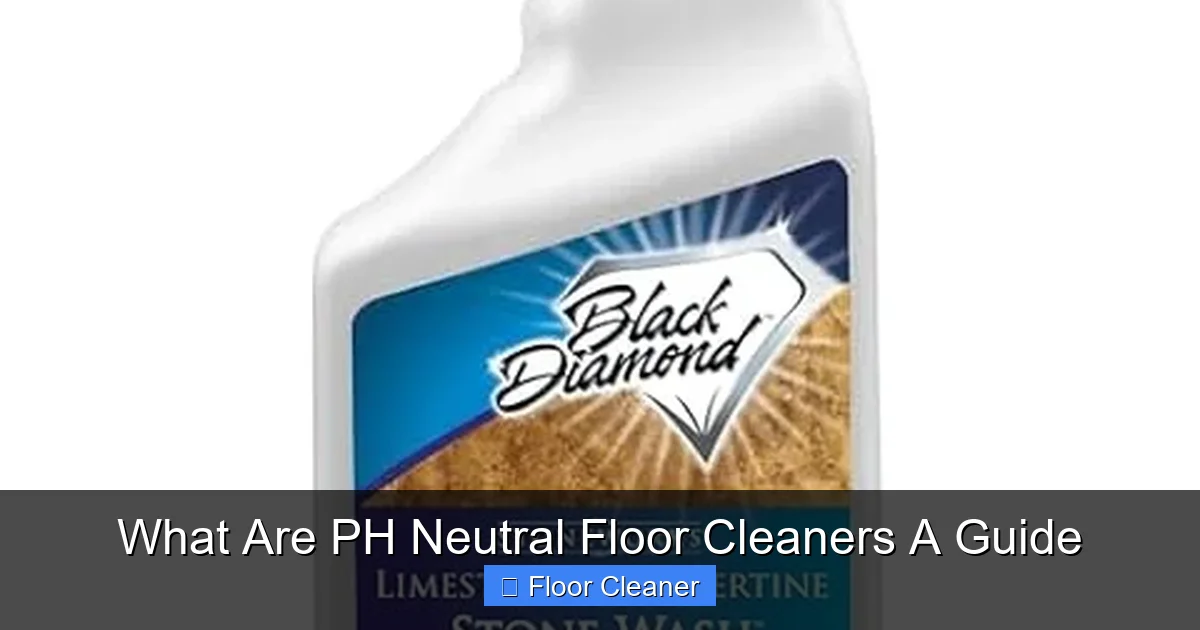
Visual guide about What Are PH Neutral Floor Cleaners A Guide
Image source: m.media-amazon.com
- Acidic (pH 0-6): Examples are lemon juice (pH 2) and vinegar (pH 3). These are great for breaking down mineral deposits or rust.
- Neutral (pH 7): Pure water is the perfect example of a neutral pH.
- Alkaline (pH 8-14): Examples include baking soda (pH 9) and heavy-duty degreasers (pH 11+). These are powerful on grease, oils, and organic stains.
A pH neutral floor cleaner is formulated to be very close to 7 on this scale. It is perfectly balanced. This balance is the secret to its gentle yet effective cleaning power.
Why pH Neutrality Matters for Your Floors
Your floors are a big investment. Using the wrong cleaner can ruin their finish and shorten their life. Here’s why a pH neutral cleaner is often the best choice.
Visual guide about What Are PH Neutral Floor Cleaners A Guide
Image source: kitchenliker.com
Safe for Delicate Finishes
Many floor finishes, like polyurethane on hardwood or the wear layer on luxury vinyl plank, can be sensitive. Acidic cleaners can etch and dull them. Harsh alkaline cleaners can break down the sealant over time. A pH neutral cleaner cleans without attacking the floor’s protective layer.
Versatility Across Flooring Types
One bottle can often clean multiple rooms. A pH neutral cleaner is generally safe for:
- Hardwood and Engineered Wood
- Laminate and Luxury Vinyl (LVT, LVP)
- Sealed Tile (Ceramic, Porcelain)
- Natural Stone (when specified by manufacturer)
- Linoleum and Sheet Vinyl
- Bamboo and Cork
This saves you money and storage space. You don’t need a different product for every floor.
Gentle for Homes with Kids and Pets
These cleaners usually have simpler, less toxic formulas. They often avoid strong acids, ammonia, or volatile organic compounds (VOCs). This means fewer harsh fumes. It also makes them safer if a pet or toddler comes into contact with a damp floor.
Prevents Dull, Sticky Residue
Some soappy or waxy cleaners leave behind a residue. This film attracts dirt quickly, making your floors look dirty again fast. It can also make floors slippery. Quality pH neutral cleaners are designed to rinse clean with water, leaving no film behind. Your floors will have a natural shine, not a fake, sticky one.
How to Choose the Right pH Neutral Floor Cleaner
Not all “neutral” cleaners are created equal. Follow these steps to pick the perfect one.
Visual guide about What Are PH Neutral Floor Cleaners A Guide
Image source: kitchenliker.com
Step 1: Read Your Flooring Manufacturer’s Guidelines
This is the most important step. Check the warranty or care guide for your floor. It will often specify “use a pH neutral, non-abrasive cleaner.” Following this keeps your warranty valid. It is your best assurance of safety.
Step 2: Decode the Product Label
Look for these keywords on the bottle:
- “pH Neutral” or “pH Balanced”: This should be clearly stated.
- “Safe for All Floor Types” or lists specific floors: This indicates versatility.
- “No Residue” or “Rinses Clean”: A key feature for long-term beauty.
- “Low VOC,” “Non-Toxic,” “Biodegradable”: Good signs for indoor air quality and the environment.
Avoid products with strong warnings or that smell heavily of chemicals.
Step 3: Choose Your Format
pH neutral cleaners come in different forms:
- Concentrated Liquids: You dilute them with water. They are very cost-effective and reduce plastic waste.
- Ready-to-Use Sprays: Convenient for small spot cleans or quick kitchen touch-ups.
- Floor Cleaning Solutions for Automated Tools: Specific formulas for your steam mop or spray mop brand.
How to Use a pH Neutral Cleaner: A Step-by-Step Guide
Using the cleaner correctly ensures you get the best results.
Step 1: Preparation is Key
Always sweep, dust mop, or vacuum your floor thoroughly first. This removes loose grit and dirt that can scratch your floor during mopping. It is the most important step in any cleaning routine.
Step 2: Dilute the Cleaner (If Required)
If using a concentrate, follow the label’s dilution instructions carefully. More is not better! Using too much product is the main cause of residue. A common ratio is 1/4 cup of concentrate per gallon of warm water. Warm water helps the cleaner work better than cold.
Step 3: The Right Mopping Technique
Dip your mop into the cleaning solution and wring it out very well. Your mop should be damp, not soaking wet. Excess water is the enemy of wood and laminate floors. Clean in small sections, moving in the direction of the floorboards or tiles. Rinse your mop head frequently in a separate bucket of clean water to avoid spreading dirty water.
Step 4: Drying for a Streak-Free Shine
After mopping, go over the floor with a dry, clean microfiber cloth or a dry mop pad. This absorbs any remaining moisture and prevents water spots. It also ensures no cleaner is left behind to form a film. Good air circulation helps floors dry quickly.
Troubleshooting Common Issues
Even with the right product, things can go wrong. Here’s how to fix them.
Problem: My Floor Looks Dull or Hazy After Cleaning.
This is usually caused by residue buildup from past cleaners or using too much current product.
- Solution: Mix a small amount of pH neutral cleaner in a bucket of warm water. Mop the floor again, wringing your mop extra well. Follow immediately with a thorough rinse: mop with plain warm water, changing it often. Dry completely with a towel. This may need to be repeated to strip the old film.
Problem: There Are Streaks on My Floors.
Streaks come from improper drying or hard water minerals.
- Solution: Always do a final dry pass with a microfiber cloth. If you have hard water, try using distilled or filtered water to make your cleaning solution. Ensure you are not cleaning in direct sunlight, which can cause solution to dry too fast and streak.
Problem: The Cleaner Isn’t Removing Heavy Grease or Scuff Marks.
pH neutral cleaners are gentle. For tough, localized messes, they might need help.
- Solution: For a greasy kitchen spot, put a small amount of undiluted pH neutral cleaner directly on the spot. Let it sit for a minute to break down the grease, then scrub gently with a soft brush and wipe. For scuff marks, try a magic eraser (melamine foam) dipped in your cleaning solution. Always test in an inconspicuous area first.
When *Not* to Use a pH Neutral Cleaner
While versatile, these cleaners are not magic. They are for routine maintenance. You might need a different approach for:
- Deep Grout Cleaning: Moldy or stained grout often needs a specifically formulated alkaline grout cleaner.
- Stripping Old Wax Buildup: Vinyl floors with layers of old wax require a stripper, not a neutral cleaner.
- Extremely Greasy Garage Floors: A heavy-duty degreaser (high pH) is more appropriate for this job.
- Unsealed or Acid-Sensitive Stone: Some natural stones like marble or travertine are sensitive to *any* chemistry. Use only a cleaner approved by the stone supplier.
Conclusion: The Foundation of Smart Floor Care
A pH neutral floor cleaner is the unsung hero of home maintenance. It is the gentle, reliable workhorse that keeps your floors looking their best day after day. By understanding what it is and how to use it, you protect your investment and create a healthier home. Remember the golden rules: always check your manufacturer’s guide, dilute properly, and keep your mop damp, not wet. Make a pH neutral cleaner the cornerstone of your cleaning routine. Your floors will thank you with years of beauty and service.
🎥 Related Video: How to Clean Vinyl Plank Floors (LVP) Like a Pro
📺 Arko Floors
Luxury vinyl plank or “LVP” flooring is one of the easiest to clean and maintain. Here are my pro tips to get your floor spotlessly …