
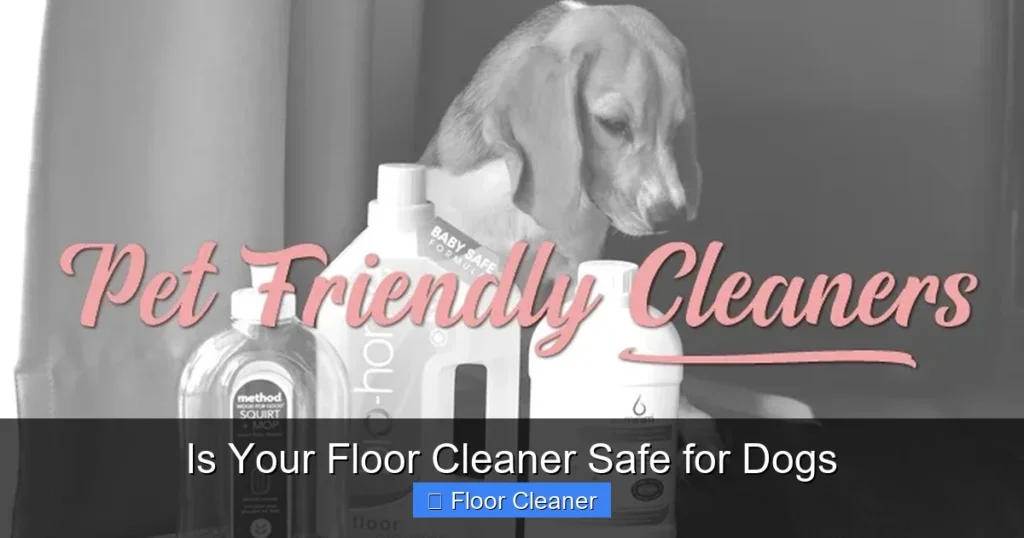
Many floor cleaners contain chemicals that can harm dogs through ingestion or contact. This guide teaches you how to choose and use floor cleaners that are safe for dogs, ensuring a clean home without risking your pet’s health. Follow our steps to identify hazards and adopt safer practices.
Key Takeaways
- Common ingredients can be toxic: Chemicals like phenols, ammonia, and bleach in floor cleaners may cause poisoning, skin irritation, or respiratory issues in dogs.
- Always read labels carefully: Look for warnings, ingredient lists, and certifications like “pet-safe” or “non-toxic” to ensure a floor cleaner is safe for dogs.
- Opt for natural alternatives: DIY solutions with vinegar, baking soda, or castile soap are often effective and safer for dogs when used properly.
- Practice safe usage: Keep dogs off cleaned floors until fully dry, ventilate areas, and store cleaners out of reach to prevent exposure.
- Know emergency steps: If your dog contacts an unsafe cleaner, rinse the area, monitor for symptoms, and contact a vet immediately for advice.
- Regular vet consultations help: Ask your veterinarian for recommendations on dog-safe floor cleaners and health monitoring tips.
Is Your Floor Cleaner Safe for Dogs? A Complete How-To Guide
Welcome, dog lovers! If you’re like me, your furry friend is part of the family. You want a sparkling clean home. But you also worry about your dog’s health. Many floor cleaners have harsh chemicals. These can harm dogs. This guide will help you learn if your floor cleaner is safe for dogs. You’ll get step-by-step tips. We’ll cover risks, safe choices, and usage practices. Let’s keep your floors clean and your dog happy!
Step 1: Understand the Risks – Why Floor Cleaners Can Harm Dogs
Dogs explore the world with their noses and mouths. They lick floors and paws. This makes them vulnerable to floor cleaner residues. Some ingredients are toxic. Even small amounts can cause problems. Knowing the risks is the first step to safety.
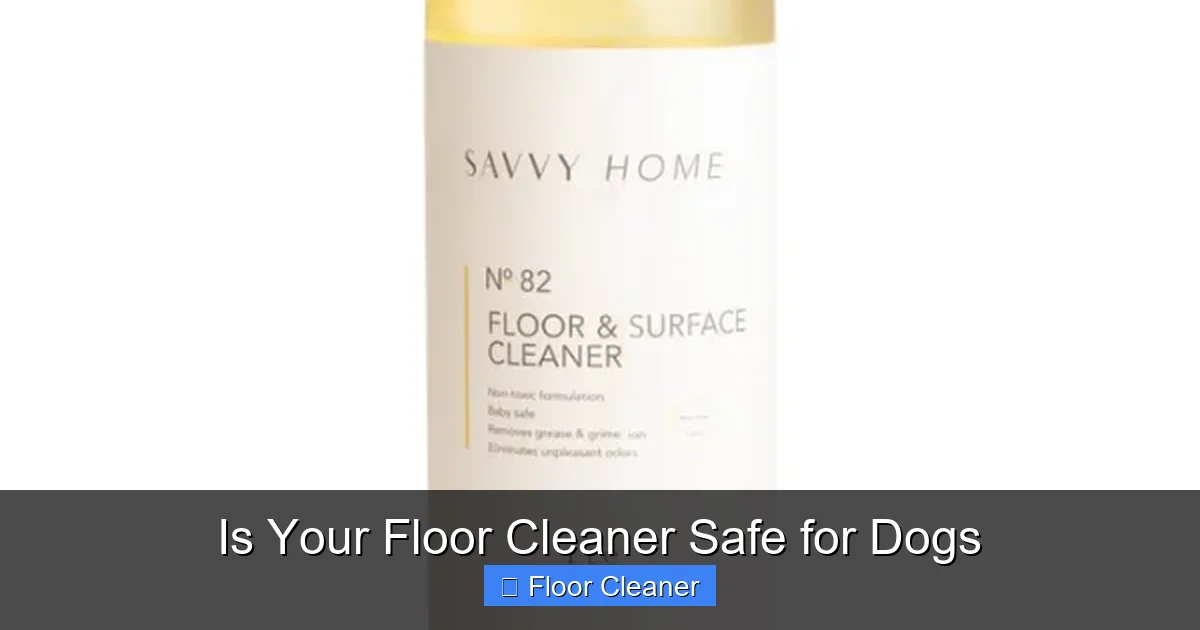
Visual guide about Is Your Floor Cleaner Safe for Dogs
Image source: anewearth.net
Common Harmful Chemicals in Floor Cleaners
Not all floor cleaners are created equal. Some have ingredients that are bad for dogs. Here are key ones to watch for:
- Phenols: Found in disinfectants. They can cause liver damage or skin burns in dogs.
- Ammonia: Common in glass cleaners. It irritates lungs and eyes. Dogs with breathing issues are at risk.
- Bleach (Sodium Hypochlorite): Used for whitening. It can lead to vomiting or throat burns if ingested by dogs.
- Formaldehyde: A preservative in some products. It’s linked to cancer and allergies in pets.
- Phthalates: Often in fragranced cleaners. They may disrupt hormones in dogs.
These chemicals can affect dogs quickly. A floor cleaner safe for dogs avoids these. Always check labels.
How Dogs Are Exposed to Floor Cleaners
Dogs get exposed in several ways. They walk on cleaned floors. Then they lick their paws. They might drink spilled cleaner. Or breathe in fumes. Puppies are especially curious. They might chew on bottles. Even dried residues can be harmful. So, using a floor cleaner safe for dogs means thinking about all exposure routes.
Step 2: Read Floor Cleaner Labels Like a Pro
Labels tell you a lot. But they can be confusing. This step teaches you to decode them. You’ll spot red flags. And find signs of a floor cleaner safe for dogs.
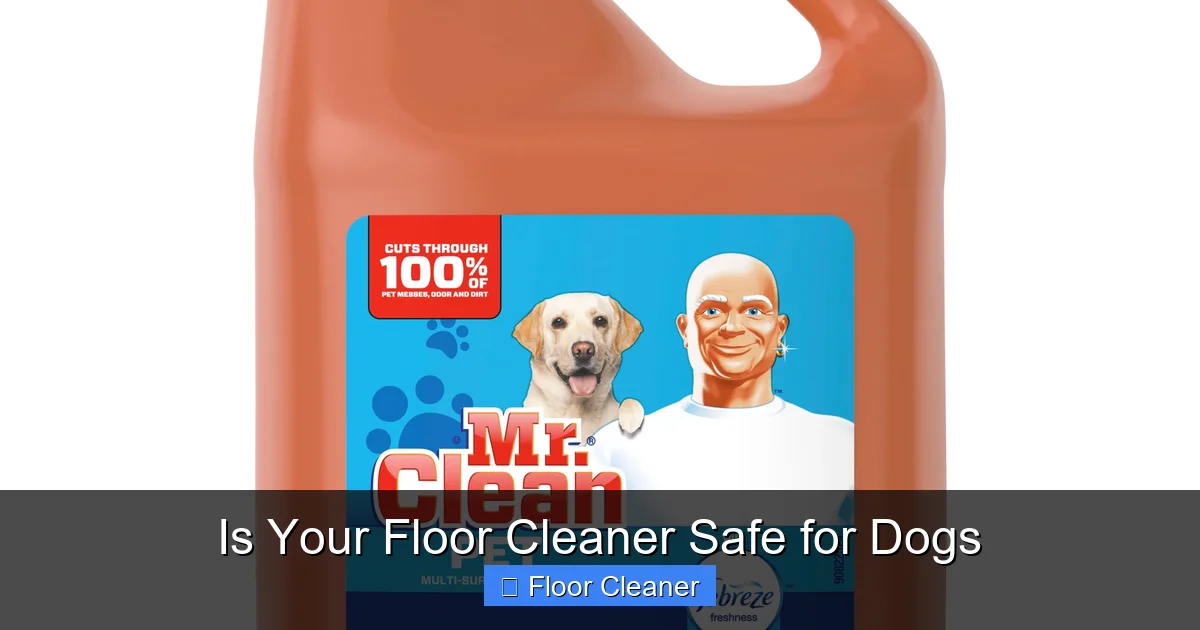
Visual guide about Is Your Floor Cleaner Safe for Dogs
Image source: mobileimages.lowes.com
Key Terms to Look For on Labels
When shopping, look for these words. They often indicate safety:
- Non-toxic: Means less harmful if ingested. But it’s not a guarantee for dogs.
- Pet-safe or Dog-friendly: Specifically tested for pets. A good sign for a floor cleaner safe for dogs.
- Biodegradable: Breaks down naturally. Usually gentler on paws.
- No dyes or fragrances: Reduces allergy risks for dogs.
- Certifications: Like EPA Safer Choice or Green Seal. These show lower environmental impact.
Remember, “natural” doesn’t always mean safe. Some natural oils, like tea tree, can poison dogs. Always verify.
Red Flags on Floor Cleaner Labels
Avoid products with these warnings:
- Danger or Poison: Clearly hazardous. Not a floor cleaner safe for dogs.
- Harmful if swallowed or inhaled: Direct risk for dogs who lick floors.
- Use in well-ventilated areas: Suggests strong fumes that can hurt dog lungs.
- Keep away from children and pets: A clear sign it’s not dog-safe.
If in doubt, skip it. Your dog’s health comes first.
Step 3: Choose Dog-Safe Floor Cleaners
Now, let’s pick safe options. You have two paths: DIY solutions or commercial products. Both can be effective. The goal is a floor cleaner safe for dogs.
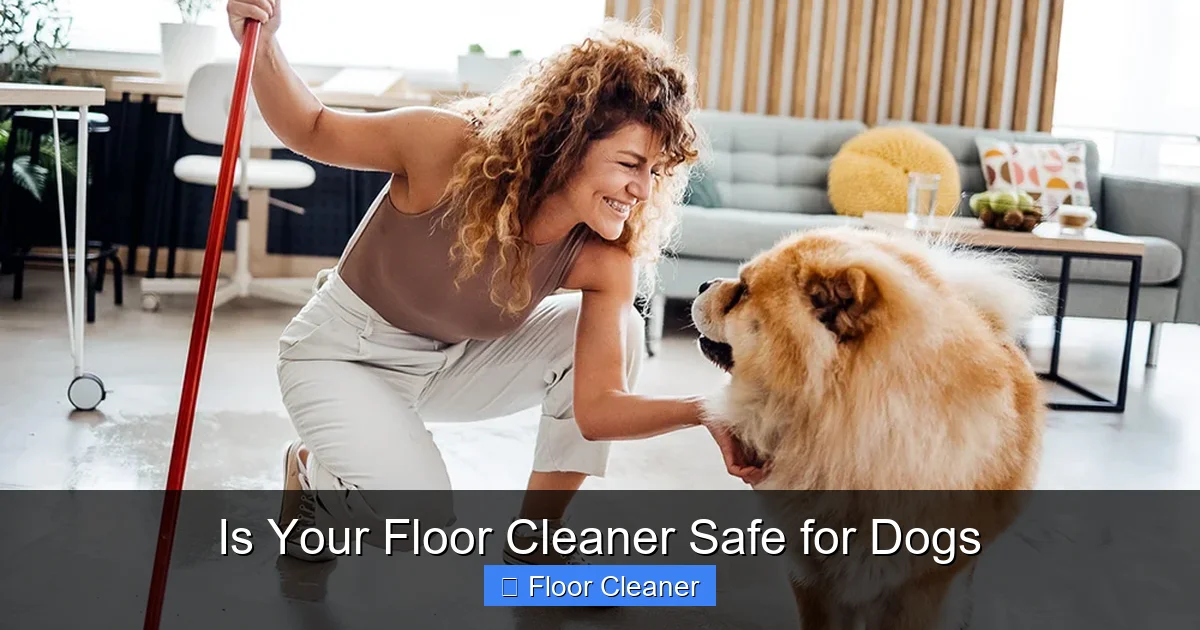
Visual guide about Is Your Floor Cleaner Safe for Dogs
Image source: images.ctfassets.net
Natural and DIY Floor Cleaners for Dog Homes
Making your own cleaner is easy. It’s often cheaper and safer. Here’s a simple recipe:
- Ingredients: 1 cup white vinegar, 1 gallon warm water, 10 drops lemon juice (optional).
- Instructions: Mix in a bucket. Use a mop to clean. Vinegar cuts grease. It’s non-toxic. But avoid on stone floors as it can etch.
Another option is baking soda paste. Mix baking soda with water. Scrub stains. It deodorizes too. For disinfecting, use hydrogen peroxide (3% solution). Test on a small area first. These DIY mixes are a floor cleaner safe for dogs when rinsed well.
Commercial Dog-Safe Floor Cleaners
If DIY isn’t your style, buy wisely. Look for brands that prioritize pet safety. Examples include:
- Better Life Floor Cleaner: Plant-based and non-toxic.
- Puracy Natural Floor Cleaner: Free of harsh chemicals.
- Babyganics Floor Cleaner: Designed for babies, often safe for dogs too.
Read reviews from other pet owners. Check company websites for testing data. Always ensure it’s a floor cleaner safe for dogs by contacting the manufacturer if needed.
Step 4: Use Floor Cleaners Safely Around Dogs
Even a safe cleaner needs careful use. Dogs are sensitive. Follow these practices to minimize risks.
Application and Drying Time Tips
How you clean matters. Here’s how:
- Dilute as directed: Never use concentrated cleaner directly. It increases toxicity.
- Mop in sections: Clean one area at a time. Keep dogs out until dry.
- Rinse thoroughly: After cleaning, go over floors with water. This removes residue. A floor cleaner safe for dogs should leave no sticky film.
- Allow full drying: Wait at least 30 minutes to an hour. Hardwood might take longer. Use fans to speed it up. Dry floors prevent paw licking.
Test cleaners on a hidden spot first. Some can damage floors or cause slips.
Keeping Dogs Away During Cleaning
Dogs want to be near you. But cleaning time is separation time. Try these tips:
- Use baby gates: Block off cleaned rooms.
- Clean during walks: Have someone take your dog out. Or clean while they’re exercising.
- Create a safe zone: Put your dog in a crate or another room with toys.
- Store cleaners securely: Keep bottles in high cabinets. Lock them if possible. This stops curious chewers.
Consistency helps. Your dog will learn that cleaning means quiet time elsewhere.
Step 5: What to Do If Your Dog Is Exposed to Unsafe Cleaner
Accidents happen. Maybe your dog licked a spill. Or walked on a wet floor. Don’t panic. Act quickly. This step covers emergency response.
Immediate Steps After Exposure
Follow this checklist:
- Remove your dog: Get them away from the cleaner area.
- Check for symptoms: Look for drooling, coughing, or paw chewing.
- Rinse if contacted skin: Use lukewarm water on paws or fur. Avoid eyes unless directed by a vet.
- Do not induce vomiting: Unless a vet says so. Some cleaners can cause more harm coming up.
- Call for help: Contact your vet or pet poison hotline immediately. Have the cleaner label ready.
Time is critical. Quick action can save your dog’s life.
When to Call the Vet
Call your vet if you see:
- Difficulty breathing: From fumes or ingestion.
- Vomiting or diarrhea: Especially with blood.
- Lethargy or seizures: Signs of serious poisoning.
- Skin redness or burns: From chemical contact.
Even if symptoms seem mild, call. It’s better to be safe. Your vet can guide you. They might recommend a floor cleaner safe for dogs for future use.
Troubleshooting Common Issues with Floor Cleaners and Dogs
Sometimes, problems arise. Here’s how to fix them.
Allergic Reactions in Dogs
Dogs can have allergies to cleaners. Signs include itching or sneezing. If this happens:
- Stop using the cleaner: Switch to a hypoallergenic option.
- Wash your dog’s paws: Use mild soap and water after floor contact.
- Consult your vet: They may suggest antihistamines or tests.
Prevent allergies by choosing a floor cleaner safe for dogs with simple ingredients.
Persistent Odors and Residues
Some cleaners leave smells or sticky spots. Dogs dislike strong scents. To fix:
- Ventilate well: Open windows during and after cleaning.
- Use an air purifier: Helps remove airborne chemicals.
- Rinse again: Mop with plain water to eliminate residue.
- Try odor absorbers: Like baking soda sprinkled on carpets before vacuuming.
A good floor cleaner safe for dogs should be odor-neutral and residue-free.
Conclusion: Maintain a Clean and Safe Home for Your Dog
Keeping your home clean shouldn’t risk your dog’s health. By now, you know how to check if a floor cleaner is safe for dogs. You understand the risks. You can read labels. You have options for DIY or commercial products. And you know how to use them safely. Remember, when in doubt, choose gentler cleaners. Always prioritize your dog’s well-being. Share this guide with other pet owners. Together, we can create safer homes for our furry friends. Happy cleaning!
🎥 Related Video: Are you using pet safe products to clean your floors? #doghealth #dog #dogtips #petcare #pethealth
📺 A Golden and Fam