

Spin mop vs regular mop: this guide shows the pros and cons of each. You will learn how to choose, use, and care for both mops to keep floors clean with less work.
Key Takeaways
- Point 1: Spin mop offers easy wringing and less water on floors. It is good for quick cleanups.
- Point 2: Regular mop is simple and cheap. It works well for heavy scrubbing and textured floors.
- Point 3: Consider floor type, budget, and storage when choosing a mop.
- Point 4: Proper care extends mop life. Clean and dry mop heads after each use.
- Point 5: For large homes, pick ease and speed. For small spaces, a regular mop may suffice.
- Point 6: Spot test cleaning solutions on your floor to avoid damage.
Introduction
This guide explains spin mop vs regular mop. You will learn the differences. You will learn how to clean with each. You will learn how to pick the best mop for your home. The guide covers cost, care, and best use cases. It gives step-by-step cleaning tips. It helps you decide fast.
What Is a Spin Mop and What Is a Regular Mop?
Spin mop vs regular mop starts with clear definitions. A spin mop has a bucket with a wringer. You step or press to spin the head. The spin removes extra water. A regular mop has a simple head. You dip and wring by hand or with a classic wringer. Both clean floors. Both have pros and cons.
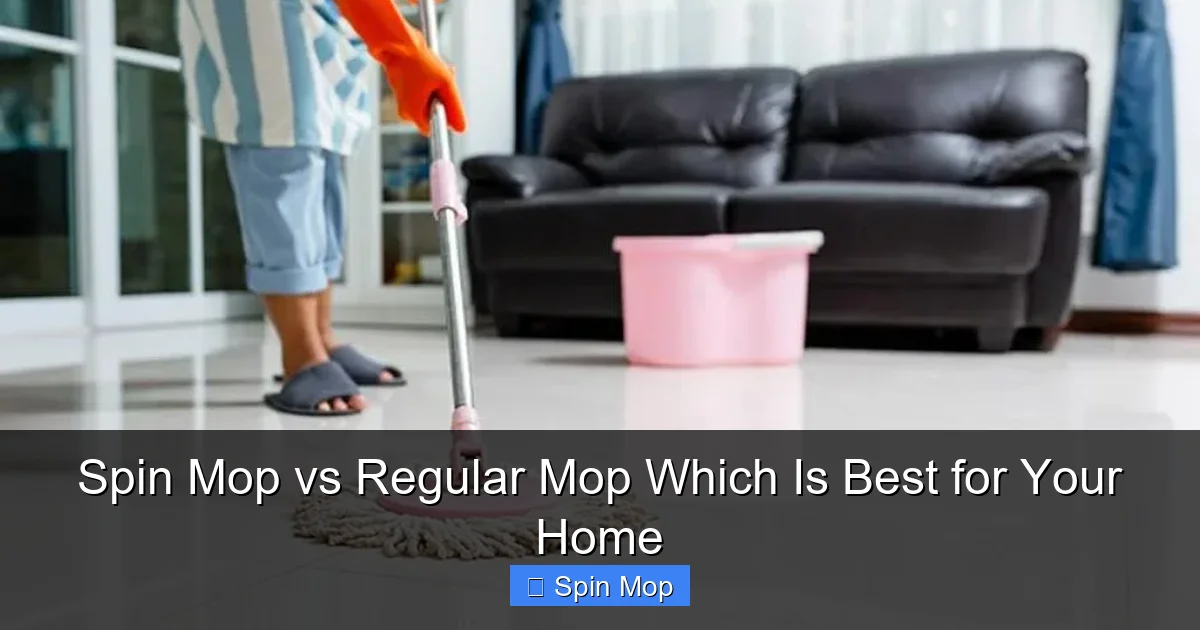
Visual guide about Spin Mop vs Regular Mop Which Is Best for Your Home
Image source: mopreviewer.com
Key Differences at a Glance
- Water control: Spin mop gives better water control. Regular mop can leave more water.
- Effort: Spin mop reduces hand work. Regular mop needs more elbow work.
- Cost: Spin mop is often pricier. Regular mop is cheaper to buy.
- Maintenance: Both need regular care. Spin mop may need bucket parts replaced.
Step 1: Match Your Floor Type
Choosing between spin mop vs regular mop begins with your floor. Know your floor type. Use the right mop for each floor.
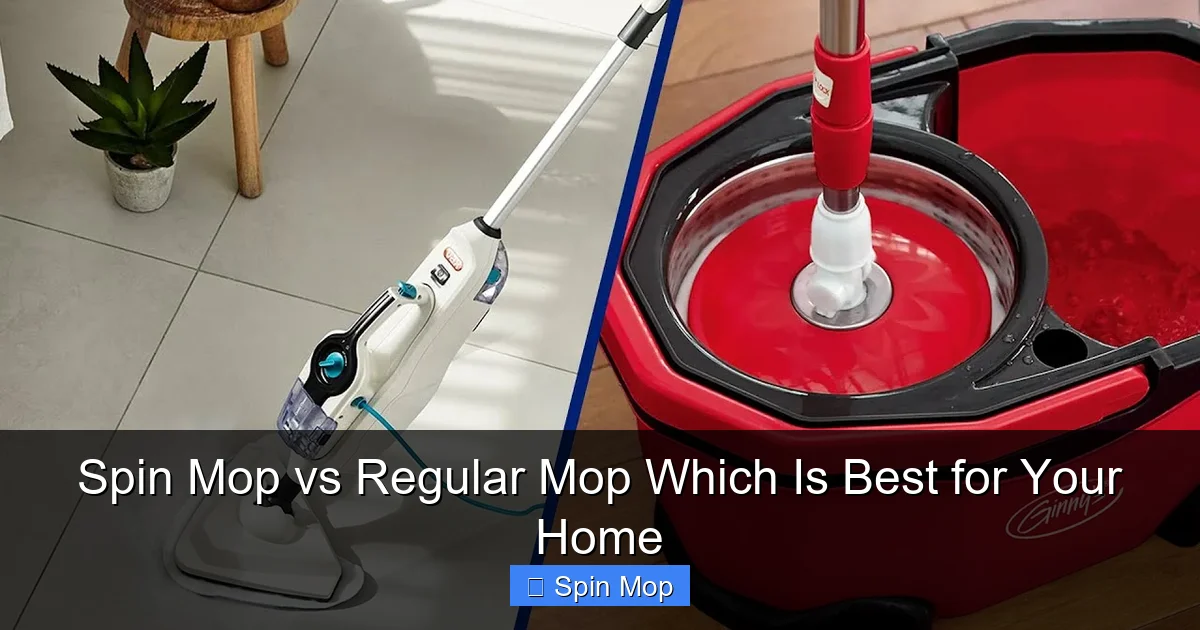
Visual guide about Spin Mop vs Regular Mop Which Is Best for Your Home
Image source: i.ytimg.com
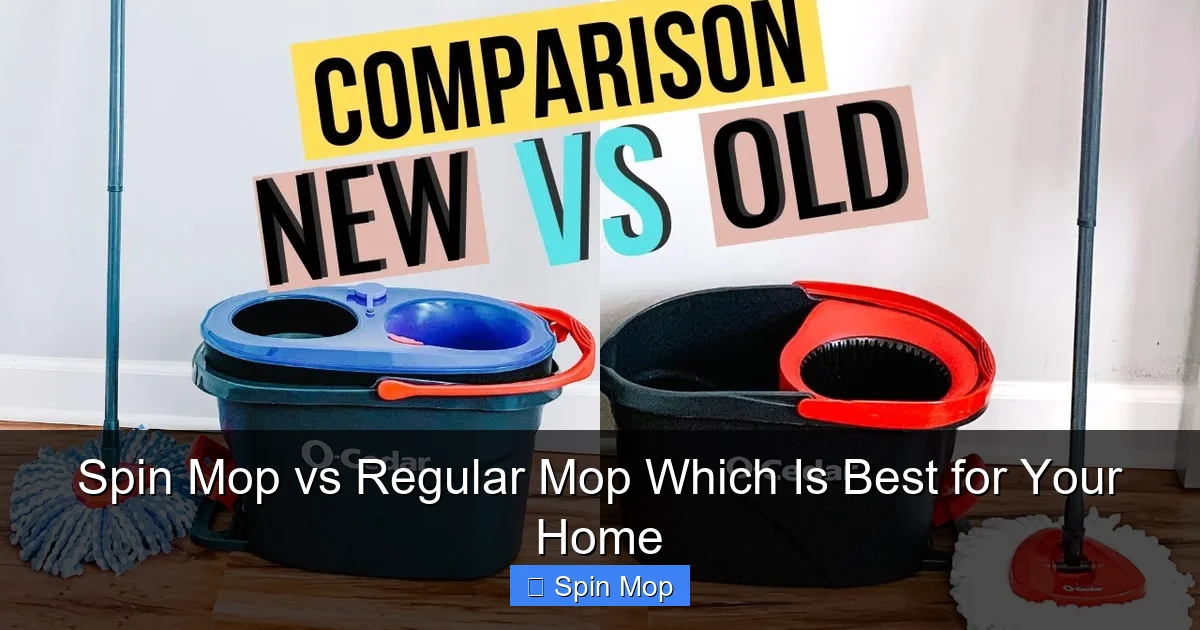
Visual guide about Spin Mop vs Regular Mop Which Is Best for Your Home
Image source: i.ytimg.com
Hardwood and Engineered Wood
Use a damp mop. Avoid soaking the floor. A spin mop is good here. It limits water. A regular mop can work if you wring it very well.
Tile and Vinyl
Both mops work. Use more water for tiles. A regular mop is fine. A spin mop speeds the work.
Laminate
Laminate dislikes excess water. Choose a spin mop. It eases drying and prevents damage.
Stone or Grout
Stone and grout can need tough scrubbing. A regular mop head or a heavy-duty spin mop works. For deep grout, use a scrub brush with a mop for best results.
Step 2: Consider Cost and Value
Cost matters. Compare upfront cost and long-term value. Think of mop heads and parts too.
Upfront Cost
Regular mops are cheap. You can buy one for a few dollars. Spin mops cost more. They often include a bucket and extra heads.
Long-Term Costs
Spin mop parts may wear out. You may buy new buckets or spin units. Replaceable heads add cost. Regular mops require new heads too. They are low cost to replace.
Step 3: Ease of Use and Time Saved
Spin mop vs regular mop often comes down to ease. Spin mops save time. They cut effort.
Wringing and Strain
Spin mops reduce wrist strain. You do not twist by hand. The spin mechanism does the work. Regular mops need manual wringing or a wringer. That takes more effort.
Speed of Cleaning
Spin mops often clean faster. The bucket keeps water ready. You do not stop to ring by hand. A regular mop can slow you down if you need constant wringing.
Step 4: How to Use a Spin Mop — Step-by-Step
Here is a clear, simple routine. Follow these steps for the best results with a spin mop.
Step 4.1: Assemble and Fill the Bucket
Put the spin mop together as the maker suggests. Fill the bucket with warm water. Add floor cleaner as directed. Do not overdo the soap.
Step 4.2: Wet the Mop Head
Dip the mop head in the water. Let it soak briefly. This loosens dust and dirt.
Step 4.3: Spin to Remove Extra Water
Place the head in the wringer. Step or press to spin. Stop when the head is damp. The head should not drip heavily.
Step 4.4: Start Mopping
Use light, even strokes. Move in a pattern. Clean wide sections. Rinse and spin often. Change water when it gets dirty.
Step 4.5: Dry and Store
Rinse the mop head after use. Spin to remove water. Let the head air dry. Store the mop in a dry place.
Step 5: How to Use a Regular Mop — Step-by-Step
Follow this routine for a regular mop. It is simple but takes care.
Step 5.1: Prepare Your Bucket
Fill a bucket with warm water. Add cleaner as directed. Use a separate bucket for dirty water when possible.
Step 5.2: Wet and Wring the Mop
Dip the mop head. Wring by hand or use a wringer. Remove as much water as needed for the floor type. For wood, wring well. For tiles, leave it a bit wetter.
Step 5.3: Mop in Sections
Work in small areas. Rinse the mop often. Change water when it is dirty. This keeps your floors cleaner.
Step 5.4: Rinse and Dry the Mop
Rinse the mop head well. Wring it out. Hang to dry in a ventilated area. Replace the mop head when it wears out.
Step 6: Cleaning Techniques and Tips
Good technique makes a big difference. These tips help whether you prefer a spin mop vs regular mop.
- Use two buckets: one for rinse, one for clean water. This keeps dirt from spreading.
- Work top to bottom: Clean high areas then floors last to catch dust that falls.
- Change water often: Dirty water coats your floor. Fresh water cleans better.
- Use the right cleaner: Pick a cleaner for your floor type. Avoid harsh acids on stone.
- Spot clean first: Remove spots before mopping for better results.
- Move furniture: Clear small furniture to clean under it well.
Step 7: Mop Head Types and Choices
Mop heads matter. They impact cleaning power. They change how you use the mop.
Microfiber Heads
Microfiber works well on many floors. It traps dust and dirt. It often comes with spin mops. It is easy to wash.
Cotton Heads
Cotton is absorbent. It is cheap. It can hold dirt. It may need more rinsing.
Synthetic and Blended Heads
These offer durability. They may dry faster. They can resist mildew better.
Step 8: Care and Maintenance
Keep your mop clean. This extends life and improves cleaning. Both spin mop vs regular mop need care.
Wash Mop Heads Often
Machine wash microfiber heads if the maker allows. Use mild detergent. Air dry. Do not use fabric softener often. It can reduce absorbency.
Clean the Bucket
Rinse the bucket after each use. Scrub it every few weeks. Remove soap residue. Let it dry fully before storing.
Replace Worn Parts
Replace mop heads when they shred. Replace worn handles and wringers. This keeps mops safe and effective.
Step 9: Storage Tips
Store your mop right. Keep heads dry. Hang handles up. Store the bucket upside down so it drains. Dry space prevents mold.
Practical Examples and Use Cases
Here are real examples. They show when to pick a spin mop vs regular mop.
- Small apartment with laminate: Choose a spin mop. It limits water and dries faster.
- Large tile kitchen: A spin mop can speed work. You fill one bucket and move fast.
- Garage or workshop: Use a regular mop or scrub brush. You need heavy cleaning power and low cost.
- Older home with grout issues: Regular mop with a firm head can help. Add a scrub tool for grout lines.
Troubleshooting
Common problems and quick fixes for both mops. Troubleshooting helps keep cleaning smooth.
Problem: Mop Smells Bad
Cause: Bacteria and mold from damp mop head. Fix: Wash the head. Use bleach or vinegar soak if safe for the material. Dry it fully before storing.
Problem: Floors Too Wet
Cause: Over-wetted mop head or wrong wringing. Fix: Wring more or spin longer. Use less water in the bucket. Use microfiber for better water control.
Problem: Streaks After Mopping
Cause: Dirty water or residue from cleaner. Fix: Change water more often. Rinse the floor with clean water. Use less detergent.
Problem: Mop Head Falls Off
Cause: Worn attachment or wrong fitting. Fix: Check the head fit before use. Replace worn parts. Use only compatible heads.
Problem: Spin Basket Not Spinning
Cause: Debris or broken part. Fix: Remove debris. Lubricate moving parts if allowed. Contact the maker for replacement parts.
Environmental and Health Considerations
Think about environmental impact. Both spin mop vs regular mop have pros and cons.
- Water use: Spin mop can use less water. It wrings out well so you use less water per clean.
- Cleaner choices: Use eco cleaners when possible. Avoid chemicals that harm pets or people.
- Microfiber sheds: Microfiber can shed tiny fibers. Rinse well to reduce shedding into drains.
How to Decide: A Simple Checklist
Use this quick checklist to choose your mop. It is a fast way to pick between spin mop vs regular mop.
- Do you have wood floors? If yes, choose a spin mop for better water control.
- Do you need low cost? If yes, a regular mop is cheaper.
- Do you clean large areas often? If yes, spin mop saves time.
- Do you need heavy scrubbing? If yes, regular mop or scrub tools are better.
- Do you hate wringing? If yes, spin mop is easier on your hands.
Buying Guide: What to Look For
When shopping, check these points. They help you pick a good model regardless of spin mop vs regular mop.
- Durable handle: Look for metal or reinforced plastic.
- Replaceable heads: Make sure heads are easy to buy.
- Bucket quality: For spin mops, the bucket should be sturdy. Check the spin mechanism.
- Head material: Microfiber is best for most floors.
- Warranty: Choose models with a warranty for peace of mind.
Cost Comparison Example
Here is a simple cost snapshot. Prices vary by brand and market. This shows typical ranges.
- Regular mop: $5–$20. Replacement heads $2–$10.
- Spin mop set: $25–$60. Replacement heads $8–$20.
Maintenance Schedule
Follow this simple schedule to keep your mop fresh and ready.
- After every use: Rinse and wring. Air dry the head.
- Weekly: Wash the head in warm water or machine wash if allowed.
- Monthly: Inspect the bucket and spin parts. Clean the bucket thoroughly.
- Every 6–12 months: Replace the mop head or damaged parts.
Spin Mop vs Regular Mop — Final Comparison
Now you have the facts. A clear view helps you choose. Here are the main points in plain words.
- Ease: Spin mop wins for ease. It cuts effort and strain.
- Cost: Regular mop wins for low upfront cost.
- Control: Spin mop wins for water control.
- Scrub power: Regular mop or scrub brush wins for heavy dirt.
- Maintenance: Both need care. Spin mops need more parts care.
Conclusion
Spin mop vs regular mop depends on your needs. If you want speed and less strain, pick a spin mop. If you want low cost and strong scrubbing, pick a regular mop. Think of your floor type, budget, and storage. Care for your mop to get good results. A clean mop makes clean floors. Choose the mop that fits your home and cleaning style.
🎥 Related Video: Which one is better, Spin Mop or JOYMOOP?
📺 Just A Dad Approved
JoyMoop Mop vs O-Cedar Spin Mop My Amazon STOREFRONT: https://www.amazon.com/shop/justadadvideos As an Amazon …