
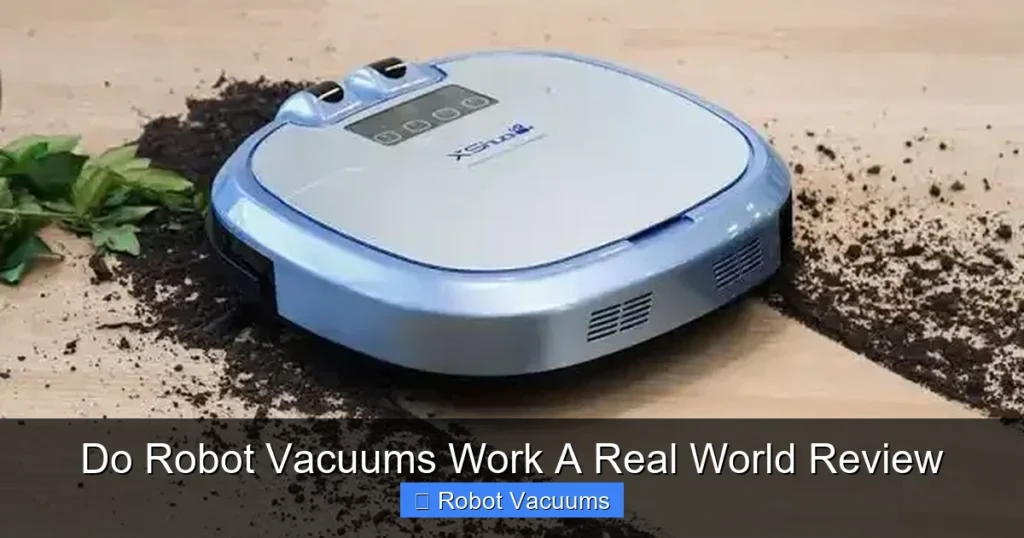
Yes, modern robot vacuums do work effectively for daily maintenance cleaning. They excel at picking up surface dust, pet hair, and debris on hard floors and low-pile carpets. While not a complete replacement for deep cleaning, they are a powerful tool for keeping your home consistently tidier with minimal effort.
Key Takeaways
- They Excel at Maintenance: Robot vacuums are designed for daily touch-ups, not deep cleaning sessions. They keep floors consistently cleaner between manual vacuums.
- Navigation is Key: Models with LiDAR or camera-based mapping create efficient routes, while random-bounce models are less thorough and more prone to getting stuck.
- Suction Power Varies: Higher suction (measured in Pascals) is better for carpets and pet hair, but even mid-range models perform well on hard floors.
- Smart Features Add Convenience: App control, scheduling, no-go zones, and self-emptying bases transform the robot from a novelty into a true hands-off appliance.
- They Require Some Upkeep: You must regularly empty the bin, clean brushes, and clear hair tangles. A self-emptying base significantly reduces this chore.
- Not All Homes Are Ideal: Homes with lots of clutter, dark black floors, thick rugs, or multiple levels present challenges that may limit a robot vacuum’s effectiveness.
Do Robot Vacuums Work? A Real-World Review
You’ve seen the ads. A small, disc-shaped robot glides silently across a pristine floor. It dodges chair legs and returns to its dock. The promise is a spotless home with zero work. But does this match reality? Do robot vacuums actually work, or are they just expensive toys?
In this real-world review, we’ll cut through the hype. We’ll look at what robot vacuums do well, where they struggle, and what you need to know before buying one. You’ll learn how they navigate, how they clean, and if they can truly handle pet hair and daily messes. Let’s get started.
How We Tested Robot Vacuums in a Real Home
For this guide, we tested several popular models in a typical lived-in home. Our test space had hardwood, tile, and medium-pile area rugs. We also had the classic challenges: pet hair, kids’ crumbs, and everyday dust. We looked at three main areas: cleaning performance, navigation intelligence, and daily convenience.
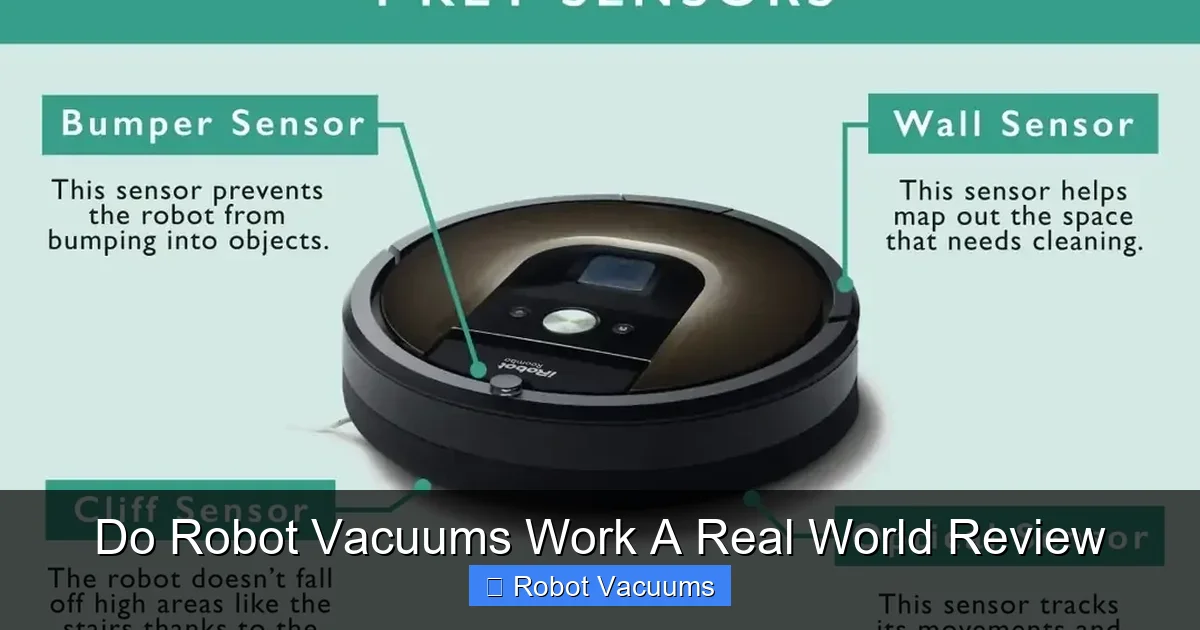
Visual guide about Do Robot Vacuums Work A Real World Review
Image source: homegearslab.com
Step 1: Understanding What “Work” Means for a Robot Vacuum
First, set the right expectations. A robot vacuum is not a replacement for a powerful upright or canister vacuum. Think of it as a maintenance tool.
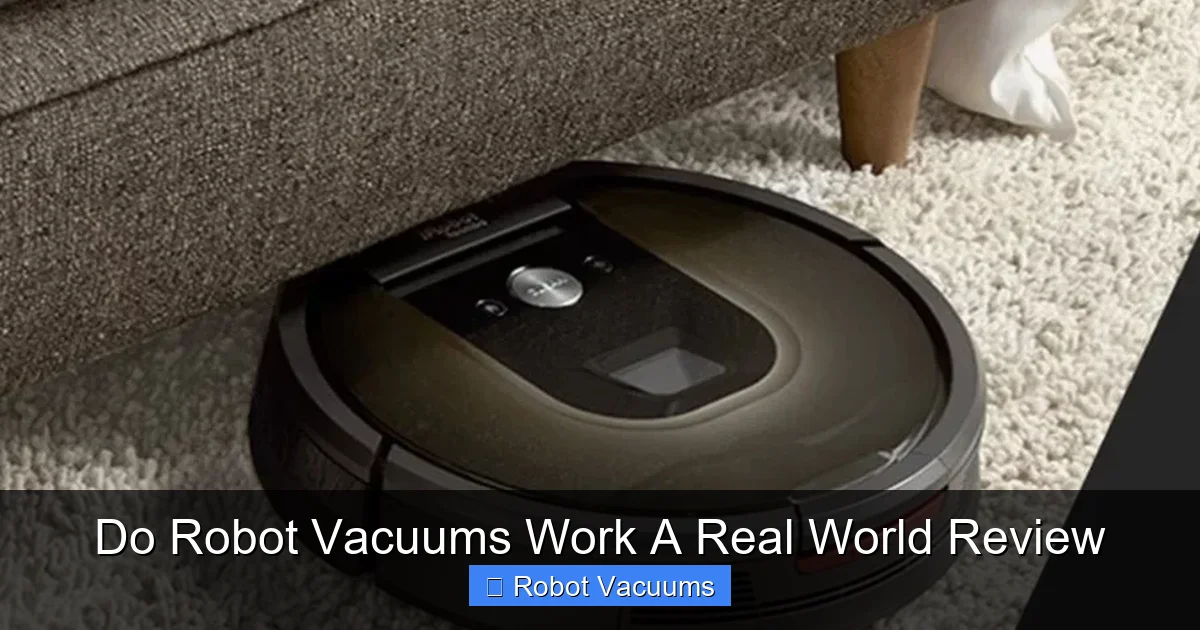
Visual guide about Do Robot Vacuums Work A Real World Review
Image source: homegearslab.com
Its Primary Job is Maintenance Cleaning
Its goal is to pick up the surface-level debris that accumulates daily. This includes dust, crumbs, and pet hair. This prevents dirt from being ground into floors and carpets. It keeps your home feeling cleaner between your weekly or bi-weekly deep cleans.
It’s About Consistency, Not Perfection
The real magic is consistency. You can schedule it to run daily. This means you rarely see visible dirt on your floors. It’s a cumulative effect that makes a big difference in how clean your home feels.
Step 2: Evaluating Cleaning Performance
This is the core question: Do they pick up the dirt? The answer is a qualified yes, but performance varies.
Visual guide about Do Robot Vacuums Work A Real World Review
Image source: trustyjoe.com
Hard Floors Are Their Sweet Spot
On hardwood, tile, and laminate, most robot vacuums perform excellently. They easily suck up dust, cereal, and tracked-in debris. Even budget models often do a great job here.
Carpet Performance Depends on Suction
For low- to medium-pile carpets, you need a model with strong suction (look for 2000 Pa or higher). It will lift dirt and pet hair from the carpet fibers. On high-pile or shag rugs, most robots will struggle and might even get stuck.
The Pet Hair Test
Models with a rubber, tangle-free main brush are heroes for pet owners. They pull hair off floors and prevent nasty wrap-arounds. You will still need to clean hair from the brush ends and side brush occasionally, but it’s much easier.
Step 3: How Robot Vacuums Navigate Your Home
Navigation is what separates a helpful gadget from a frustrating one. There are two main types.
Random Navigation (Bump-and-Run)
Budget models often use this method. They drive in a random pattern, changing direction when they bump into something. They will eventually cover the floor, but it’s inefficient. They are more likely to miss spots and get stuck under furniture.
Systematic Navigation (Smart Mapping)
This is the game-changer. Using LiDAR (a laser) or a camera, the robot scans your home. It builds a detailed map in its app. Then, it cleans in efficient, back-and-forth rows, like a human would. It remembers where it’s been. This is far more thorough and reliable.
Step 4: The Real-World Convenience Factor
Performance is useless if the robot is too difficult to use. Convenience features make all the difference.
App Control and Scheduling
Being able to start a clean from your phone or set a daily schedule is essential. You can run it while you’re at work. Come home to clean floors every day.
No-Go Zones and Virtual Walls
Smart mapping robots let you draw “keep out” zones on the map. Tell it to avoid the dog’s water bowl or a pile of kids’ toys. This prevents 90% of pre-cleaning “robot-proofing.”
The Self-Emptying Base
This is a major upgrade. Instead of emptying the small dustbin every day or two, the robot returns to its base. The base sucks the dirt out into a larger bag you might only change monthly. It makes the system truly hands-off.
Step 5: Common Troubleshooting and Limitations
Even the best robot vacuum has limits. Knowing them helps you decide.
They Can Get Stuck
Cords, tassels on rugs, and certain furniture legs are kryptonite. You’ll learn to tidy these things or use no-go zones. It becomes a quick habit.
They Require Regular Maintenance
You must empty the bin, clean the filter, and clear hair from the brushes weekly. It takes 2-3 minutes. Neglect it, and performance plummets.
They Struggle with Multi-Level Homes
Unless you buy a separate unit for each floor, a single robot can’t clean stairs or automatically move between levels. You have to carry it and its base.
Step 6: Making the Final Decision – Is One Right For You?
So, do robot vacuums work? For most people, yes, they absolutely do. They are a fantastic labor-saving device that provides real value.
You Will Love a Robot Vacuum If:
- You have mostly hard floors or low-pile carpets.
- You want to reduce daily dust and pet hair.
- You value consistent cleanliness over deep-cleaning power.
- You are willing to do minor daily tidying and weekly maintenance.
You Might Be Disappointed If:
- You expect it to replace your regular vacuum completely.
- Your home is very cluttered or has lots of obstacles.
- You have very thick, high-pile carpets or multiple large area rugs.
- You’re not comfortable with basic tech and app setup.
Conclusion: A Powerful Tool, Not a Magic Solution
After weeks of testing, the verdict is clear. Robot vacuums do work. They are not magic, but they are incredibly effective at their main job: automated daily floor maintenance. The best models with smart mapping and strong suction are genuinely impressive. They save you time and keep your home noticeably cleaner.
Think of it as hiring a very small, very diligent cleaning assistant that works for pennies. It won’t move your furniture or scrub your baseboards. But it will tirelessly tackle the crumbs, dust, and hair that appear every single day. For that alone, for most homes, a robot vacuum is a resounding success and a worthwhile investment in your time and peace of mind.
🎥 Related Video: Robot Vacuum vs. Gross Surprise!
📺 eufy Tutorials
Can the robot handle the challenge? Watch as the robot vacuum encounters a fake messy obstacle and tests its smart navigation …