
Yes, modern robot vacuums are highly effective on carpet, but their performance depends on key features like strong suction, motorized brushes, and smart navigation. This guide will show you how they work, what to look for when buying, and how to get the best clean on low-pile, high-pile, and pet-hair-filled carpets.
Key Takeaways
- Suction Power is Crucial: Measured in Pascals (Pa), stronger suction (2500Pa+) is needed to pull dirt from deep within carpet fibers.
- Motorized Brush Roll is a Must: A spinning brush (often rubber or bristle) is essential for agitating and lifting debris from carpet pile.
- Navigation Dictates Coverage: Models with LiDAR or camera-based mapping clean carpets more systematically and efficiently than random-path bots.
- Carpet Height Matters: Most robots handle low and medium-pile carpets well, but high-pile or shag carpets require specific high-clearance models.
- Auto-Carpet Boost is a Game-Changer: This feature automatically increases suction power when the vacuum detects carpet, saving battery on hard floors.
- Regular Maintenance is Key: To keep performance high on carpets, frequently clean the brush roll, empty the bin, and check filters for clogs.
- They Complement, Don’t Replace: For deep, periodic cleans, a robot vacuum works best alongside a traditional upright or carpet cleaner.
Do Robot Vacuum Cleaners Work on Carpet? All You Need to Know
Gone are the days when robot vacuums were cute novelties that only buzzed around hard floors. Today’s models are powerful cleaning assistants, and one of the most common questions is: can they handle the carpet? The short answer is a resounding yes. But the full answer depends on the type of carpet you have and the features of the robot you choose.
This guide will walk you through everything. You will learn how robot vacuums tackle different carpets, what specs to look for, and how to use them for the best results. Let’s dive in and demystify robotic cleaning on your rugs and carpets.
How Robot Vacuums Actually Clean Carpet
It’s not magic. Robot vacuums use a combination of physics and smart engineering to clean carpeted surfaces. Understanding this process helps you see why some features are non-negotiable.
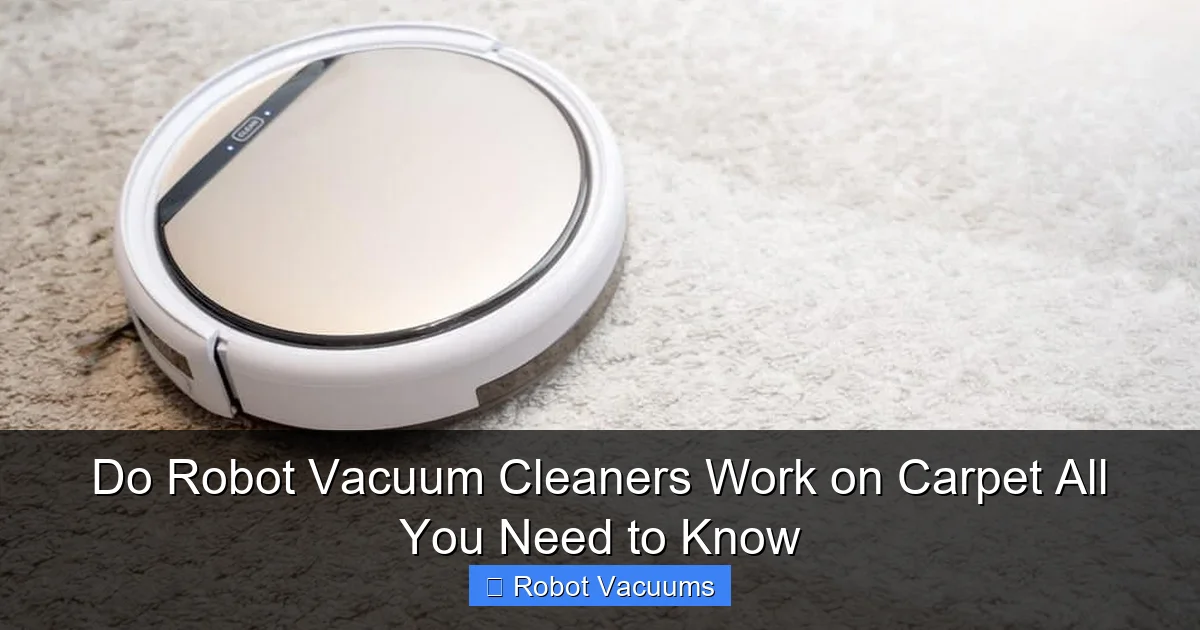
Visual guide about Do Robot Vacuum Cleaners Work on Carpet All You Need to Know
Image source: cleanerstalk.com
Step 1: Agitation with the Brush System
This is the most critical step for carpet. Unlike hard floors where suction alone can work, carpet fibers trap dirt. A robot vacuum needs a primary brush roll, usually motorized, that spins rapidly. This brush agitates the carpet pile, loosening embedded dust, pet hair, and crumbs. Think of it like using a broom to sweep dust out of a rug before vacuuming it up.
Step 2: Lifting with Suction Power
Once the brush has loosened the debris, powerful suction pulls it up through the vacuum’s intake and into the dustbin. The strength of this suction, often measured in Pascals (Pa), determines how effectively it can lift dirt from within the carpet. More suction is almost always better for carpets.
Step 3: Systematic Navigation
A random-bumping robot might miss spots on your carpet. Modern models use sensors, cameras, or LiDAR (laser mapping) to create a map of your home. This allows them to clean in efficient, back-and-forth rows (like a lawnmower pattern), ensuring even and complete coverage on both carpet and hard floor areas.
Key Features to Look for in a Carpet-Capable Robot
Not all robots are created equal for carpet duty. When shopping, prioritize these features.
Visual guide about Do Robot Vacuum Cleaners Work on Carpet All You Need to Know
Image source: bestvacuumexpert.com
Strong Suction Power
Look for models advertising suction power of 2000 Pascals and above. Some premium models go up to 5000Pa or more. This raw power is essential for pulling dirt from the base of the carpet fibers. If a spec sheet only lists “powerful suction” without a Pa number, be wary.
Motorized Brush Roll
This is a deal-breaker. Ensure the robot has a dedicated, spinning main brush roll, not just side brushes. Many use a combination of bristles (for deep agitation) and rubber fins (excellent for picking up pet hair without tangling). A brushless model will struggle significantly on any carpet.
Carpet Detection & Auto-Boost
This smart feature uses optical or acoustic sensors to detect when the robot has moved from a hard floor onto a carpet. When it does, it automatically increases suction power to maximum for a deeper clean. This also conserves battery life when it’s on easier hard floors.
Effective Navigation & Mapping
For consistent results, choose a model with smart mapping (via LiDAR or vSLAM camera). This allows you to set no-go zones (to keep it off delicate rugs), target specific carpeted rooms for cleaning, and ensures the robot doesn’t get stuck or miss large patches.
Adequate Ground Clearance
Check the robot’s height. Standard models (under 3.5 inches) handle low and medium-pile carpets fine. For high-pile carpet or shag rugs, you need a model specifically designed with higher clearance (often above 4 inches) to prevent it from getting bogged down and stuck.
Choosing the Right Robot for Your Carpet Type
Match your robot’s capabilities to your home’s flooring for the best experience.
For Low-Pile and Office Carpet
Most robot vacuums, even mid-range models, will perform adequately here. The short fibers don’t require extreme suction or clearance. Focus on models with a motorized brush and decent navigation for a consistent clean.
For Medium-Pile Carpet (Most Common)
This is where features like auto-boost and strong suction (2500Pa+) really pay off. You’ll want a model with a multi-surface brush roll and good battery life, as the increased suction on carpet drains power faster.
For High-Pile, Plush, or Shag Carpet
Tread carefully. Many standard robots will struggle, get stuck, or even overheat. You need a model explicitly rated for high-pile carpets. These have higher clearance, extremely powerful motors, and sometimes special brush designs. Always check the manufacturer’s specifications for carpet height limits.
For Homes with Pets
Pet hair weaves itself into carpet. Look for a robot with a tangle-resistant rubber brush roll and a high-efficiency filter (like a HEPA filter) to trap allergens. A large dustbin is also a plus, as pet hair fills it quickly. Many “pet models” also include an extra grooming side brush.
How to Use Your Robot Vacuum for Optimal Carpet Cleaning
Buying the right tool is half the battle. Using it correctly ensures a spotless carpet.
Step 1: Prepare the Room
Clear the floor of cords, socks, and small toys. For fringed or delicate rugs, either use a physical boundary strip (provided with many robots) or set a virtual no-go zone in your app to prevent the robot from getting tangled.
Step 2: Start with a Full Bin and Clean Filter
A full dustbin or clogged filter drastically reduces suction power. Make emptying the bin and checking the filter part of your routine before starting a cleaning job, especially on carpets.
Step 3: Schedule Regular Cleanings
Robot vacuums excel at maintenance. For carpets, scheduling a daily or every-other-day clean prevents dirt from being ground deep into the fibers. It’s easier for the robot to pick up surface-level dirt regularly than to perform a deep clean weekly.
Step 4: Use Zone Cleaning for High-Traffic Areas
If your robot supports it, use the app to command it to clean just the carpeted living room or hallway twice in a row. This double-pass feature ensures a more thorough clean in areas that get dirty faster.
Troubleshooting Common Carpet Problems
Even the best robots can have issues. Here’s how to solve them.
Problem: The Robot Gets Stuck on the Carpet
Solution: This usually means the carpet pile is too high for the robot’s clearance. Check the manual for height limits. Your only fixes are to restrict the robot from that area or upgrade to a high-clearance model.
Problem: It Leaves Visible Debris or Lines Behind
Solution: First, stop and check the brush roll for tangles (especially hair). Empty the dustbin and clean the filter. If problems persist, your robot’s suction may be insufficient for your carpet type, or the brush roll may be worn out and need replacement.
Problem: Battery Drains Too Fast on Carpet
Solution: This is normal, as the motor works harder. Ensure auto-boost is enabled so it’s not using max suction everywhere. Consider getting a model with a longer battery life or one that auto-returns to recharge and resumes cleaning.
The Verdict: A Powerful Maintenance Tool
So, do robot vacuum cleaners work on carpet? Absolutely. Modern units are more than capable of keeping your carpets looking fresh on a daily basis. They are exceptional maintenance tools that reduce the need for frequent manual vacuuming.
However, it’s important to have realistic expectations. For a deep, periodic clean—especially on thick carpets or to tackle ground-in stains—you will still benefit from using a traditional upright or canister vacuum or a carpet cleaner a few times a year. Think of your robot as your first line of defense, tirelessly working to ensure dirt never gets a chance to settle deep down.
By choosing a model with the right features for your home and using it strategically, you can enjoy cleaner carpets with significantly less effort. The future of home cleaning is here, and it rolls right over your rug.
🎥 Related Video: 5 Best Robot Vacuum for Vacuuming Carpets [Based on Cleaning Tests]
📺 Cordless Vacuum Guide
5 Roborock S8 Pro Ultra on Amazon: https://geni.us/iuWI #4 Roomba Combo J7+ on Amazon: https://geni.us/mBBXY #3 …