

This guide explains what cleaning wipes contain TCE (trichloroethylene), where they are most often used, and why TCE is a concern for your health. You will learn how to read labels, spot hidden solvent ingredients, avoid risky products, and pick safer wipes and DIY options for everyday cleaning.
Key Takeaways
- Point 1: TCE (trichloroethylene) is a powerful solvent sometimes used in industrial and specialty cleaning wipes, not usually in basic household disinfecting wipes.
- Point 2: Many wipes will not list “TCE” on the front; you must check the ingredient list, safety data sheet, or product spec sheet to confirm if TCE is present.
- Point 3: TCE is linked to serious health risks, including cancer and nerve damage, so avoiding wipes with this solvent is a smart safety step.
- Point 4: You can use simple steps to identify what cleaning wipes contain TCE and switch to safer alternatives like water-based, alcohol-based, or plant-based wipes.
- Point 5: Look for third‑party certifications and “TCE‑free” or “no chlorinated solvents” claims when choosing safer cleaning wipes.
- Point 6: For heavy-duty degreasing tasks, safer solvent blends and mechanical methods (scrubbing, scraping, hot water) can often replace TCE wipes.
- Point 7: Good ventilation, gloves, and smart storage practices reduce exposure to any harsh chemicals in cleaning wipes.
Introduction: Why TCE in Cleaning Wipes Matters
If you are wondering what cleaning wipes contain TCE, you are already ahead of many shoppers. Most people grab wipes for fast cleaning and never think about the solvent inside. But the solvent can matter a lot for your health.
TCE stands for trichloroethylene. It is a strong chemical used to dissolve grease, oil, and other tough grime. Some specialty cleaning wipes use TCE because it works fast and cuts through heavy dirt. At the same time, TCE is linked to serious health risks. It is not something you want on your skin, in your air, or inside your home if you can avoid it.
In this guide, you will learn what cleaning wipes contain TCE, how to find out if a product uses it, and what to use instead. You will also learn how to read labels, how to search safety data sheets, and how to choose safer wipes that still clean well.
Step 1: Understand What TCE Is and Where It Shows Up
What Is TCE?
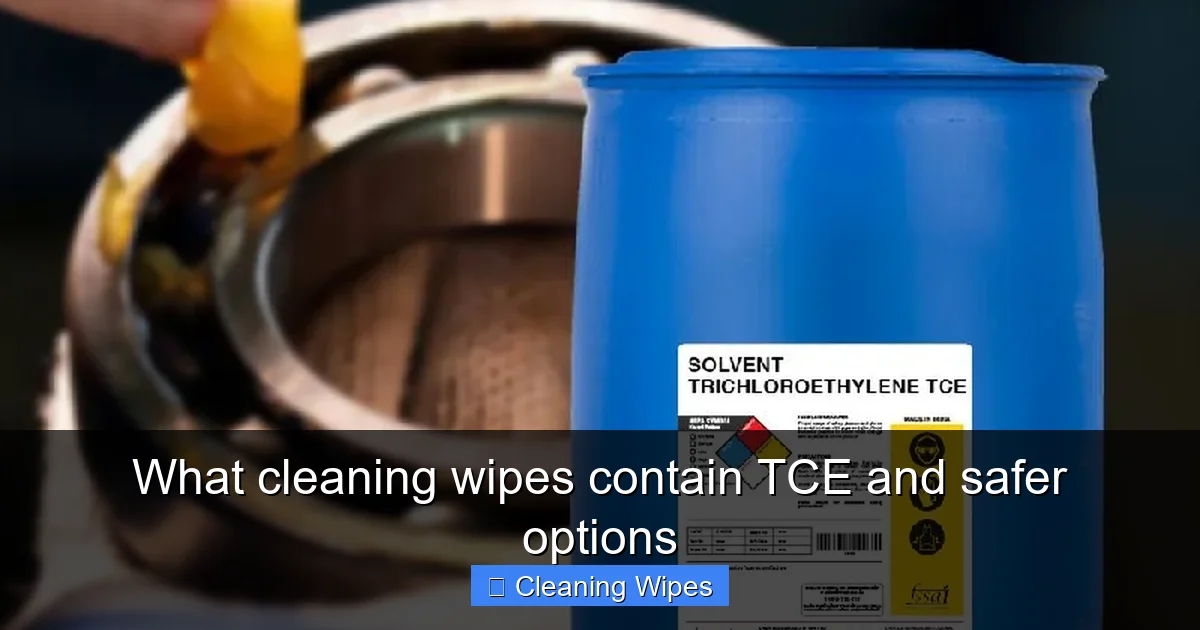
TCE, or trichloroethylene, is a clear, nonflammable liquid with a sweet smell. It is a powerful solvent that can remove grease, oils, wax, and some adhesives. For decades, industries used TCE for metal degreasing and cleaning parts. It has also been used in some spot removers and other cleaning products.
Visual guide about What cleaning wipes contain TCE and safer options
Image source: ovrs.com
Today, many companies are phasing out TCE because of safety concerns. Still, it can appear in some cleaning wipes, especially those meant for industrial or technical use.
Why Is TCE a Health Concern?
When you ask what cleaning wipes contain TCE, you are really asking how to avoid risk. TCE is a known human carcinogen. That means it can increase the risk of cancer. Studies have linked TCE to kidney cancer, liver problems, and immune system issues. TCE can also affect the nervous system, causing dizziness, headaches, and confusion after short-term exposure.
Long-term exposure to TCE can harm the liver, kidneys, and reproductive system. It can also affect unborn babies if pregnant people are exposed. Because of these risks, many health agencies advise reducing or eliminating TCE wherever possible.
Where TCE Is Most Likely to Be Found
If you are trying to figure out what cleaning wipes contain TCE, it helps to know where to look. TCE is more common in:
- Industrial degreasing wipes used in factories or machine shops
- Electronics or precision cleaning wipes for parts and tools
- Automotive wipes for engine parts or brake cleaning
- Specialty wipes for ink, adhesive, or paint removal
Most regular household disinfecting wipes for kitchens and bathrooms do not use TCE. They tend to use water-based formulas, alcohols, or quaternary ammonium compounds. Still, if you use heavy-duty wipes or work wipes, it is smart to check.
Step 2: Learn How to Identify What Cleaning Wipes Contain TCE
Check the Ingredient List on the Package
The first step in finding out what cleaning wipes contain TCE is simple: read the label. Look at the back of the package for an ingredient list. Not all wipes list every ingredient, but many do.
Visual guide about What cleaning wipes contain TCE and safer options
Image source: 2.wlimg.com
You are looking for:
- Trichloroethylene
- TCE
- CAS number 79-01-6 (a unique ID for TCE)
If you see any of these, the wipes contain TCE. If you do not see them, that is a good sign, but it is not a guarantee. Some industrial products list only “solvent” or use trade names. That is why the next steps matter.
Use the Safety Data Sheet (SDS)
To really know what cleaning wipes contain TCE, you should look up the Safety Data Sheet, also called SDS. Every chemical product used in workplaces must have an SDS. Many brands also post SDS documents for consumer products.
Here is how to use the SDS to find what cleaning wipes contain TCE:
- Search online for the product name plus “SDS” or “Safety Data Sheet”.
- Open the PDF or web page that comes from the manufacturer.
- Scroll to the section labeled “Composition / Information on Ingredients”.
- Look for “trichloroethylene”, “TCE”, or CAS 79-01-6.
If the SDS lists TCE, then you know the wipes contain TCE. The SDS may also show the percentage of TCE in the formula. This helps you understand how strong the solvent is.
Ask the Manufacturer Directly
Sometimes, even the SDS is not clear. Maybe it lists “proprietary solvent blend” or uses a brand name. In that case, contact the company. This is often the only way to confirm what cleaning wipes contain TCE when labels are vague.
You can:
- Call the customer service number on the package.
- Use the contact form or email address on the brand’s website.
- Ask directly: “Does this product contain trichloroethylene (TCE), CAS 79-01-6, or any chlorinated solvents?”
Responsible companies should answer. If they refuse to share the information, that is a red flag. In that case, it is safer to choose another product.
Watch for Clues in Product Descriptions
Sometimes you can spot what cleaning wipes contain TCE by the way they are described. Phrases that may point to TCE or similar solvents include:
- “Chlorinated solvent-based degreaser”
- “Fast-evaporating industrial solvent wipe”
- “Heavy-duty metal degreasing wipes”
- “Replaces vapor degreasing with chlorinated solvents”
These phrases do not prove the product has TCE, but they tell you to dig deeper. Any time you see “chlorinated solvent”, you want to check for TCE. Understanding this language helps you guess what cleaning wipes contain TCE before you even pick up the pack.
Step 3: Typical Types of Wipes That May Contain TCE
Industrial Degreasing Wipes
Industrial wipes are one of the main groups where you may find TCE. These wipes are sold to factories, auto shops, and maintenance teams. They are made to strip grease from metal parts, tools, and machinery.
If you use wipes labeled as “industrial degreaser” or “metal cleaner”, you should check if they contain TCE. Many older formulas used TCE, and some products still do, even as others move to safer solvents.
Electronics and Precision Cleaning Wipes
Another area to watch when you ask what cleaning wipes contain TCE is electronics and precision cleaning. Some wipes used for circuit boards, aerospace parts, or medical devices once relied on TCE because it evaporates quickly and leaves little residue.
Today, there are many safer solvent blends. But some niche products may still use TCE or related chlorinated solvents. Always review the SDS for these kinds of wipes.
Automotive and Shop Wipes
Automotive wipes that remove tar, grease, or oil may also use strong solvents. When you look at what cleaning wipes contain TCE, include shop wipes in your review. Many are safe, but some older or specialized products may still contain TCE or similar chemicals.
Again, check the ingredient list and SDS. If a product is marketed as a “non-chlorinated” or “TCE-free” brake or parts cleaner, that is a better sign.
Household Wipes: The Good News
Most everyday household wipes do not contain TCE. Common kitchen and bathroom disinfecting wipes rely on water, alcohol, surfactants, and other ingredients. While those may have their own issues, they are usually free from TCE.
Still, when you are learning what cleaning wipes contain TCE, it is wise to be cautious with any “heavy-duty” or “industrial strength” wipes sold for home garages or workshops. They may be closer to industrial products than to gentle household wipes.
Step 4: How to Avoid Wipes That Contain TCE
Prefer Water-Based or Alcohol-Based Wipes
One of the easiest ways to avoid what cleaning wipes contain TCE is to choose water-based or alcohol-based formulas. These wipes often advertise “water-based degreaser” or “isopropyl alcohol cleaning wipes”.
Look for phrases like:
- “Water-based formula”
- “Non-chlorinated solvent”
- “Alcohol-based cleaner”
- “TCE-free” or “No trichloroethylene”
These labels help you skip the guesswork about what cleaning wipes contain TCE. Still, double-check the SDS if you will use the wipes often or for long periods.
Choose Brands with Transparent Ingredient Lists
Some brands make it very easy to see what is in their wipes. They list all ingredients on the package or website. When you are trying to avoid what cleaning wipes contain TCE, this kind of transparency is a big help.
Pick brands that:
- List complete ingredients, not just “proprietary blend”.
- Offer downloadable SDS or ingredient disclosures online.
- Respond to customer questions about solvents and safety.
Transparent brands make it simple to avoid wipes that contain TCE and other risky chemicals.
Look for Third-Party Certifications
Some wipes carry third-party seals that limit hazardous chemicals. While these programs may not always mention TCE by name, they often restrict many chlorinated solvents.
Look for:
- Eco-labels that focus on safer chemistry
- Green cleaning certifications for institutional products
- Statements like “meets strict environmental standards” that include solvent rules
When you see these, you are less likely to be dealing with what cleaning wipes contain TCE. Always confirm by checking the SDS if you are unsure.
Avoid “Chlorinated Solvent” Language
Any time a product highlights chlorinated solvents, pause. You now know that if you want to avoid what cleaning wipes contain TCE, you also want to avoid many chlorinated solvent claims.
Skip wipes that:
- Describe themselves as “chlorinated solvent degreaser”
- Use TCE in the ingredient list
- Do not clearly say what solvent is used
Instead, pick non-chlorinated, water-based, or alcohol-based options. This one habit can greatly reduce your chance of buying wipes that contain TCE.
Step 5: Safer Alternatives to TCE Wipes
Water-Based Degreasing Wipes
Water-based wipes use surfactants and sometimes mild solvents to break down grease. They may not work as instantly as TCE, but they can still be very effective with a bit of dwell time and scrubbing.
Use water-based wipes for:
- Shop tools and light machine parts
- Greasy surfaces in kitchens and garages
- General maintenance cleaning
These wipes help you avoid what cleaning wipes contain TCE while still getting good cleaning power.
Alcohol-Based Cleaning Wipes
Isopropyl alcohol and ethanol are common in disinfecting and electronics wipes. They evaporate quickly and are good for removing light oils and residues.
Alcohol-based wipes are useful for:
- Electronics and screens (if labeled safe for that use)
- Light degreasing on tools and surfaces
- Disinfecting high-touch areas
Because they are non-chlorinated, they are a safer choice when you want to avoid what cleaning wipes contain TCE.
Citrus and Plant-Based Solvent Wipes
Some wipes use citrus terpenes or other plant-based solvents. These can be strong cleaners but may have a strong smell. They can be a good middle ground between harsh chlorinated solvents and weak cleaners.
Use plant-based solvent wipes for:
- Sticker and adhesive removal
- Tar, ink, or marker cleanup
- Grease on tools and equipment
Always check the SDS to be sure they do not also add TCE or other chlorinated solvents. Not all “natural” products are free from risky chemicals, so keep using the same methods to see what cleaning wipes contain TCE or related ingredients.
DIY Alternatives to Solvent Wipes
If you want full control and want to avoid all questions about what cleaning wipes contain TCE, you can make simple DIY options.
- Soap and water with cloths: Use a degreasing dish soap and hot water. Scrub with a reusable cloth or brush.
- Homemade alcohol wipes: For light tasks, you can dampen a clean cloth with isopropyl alcohol (test surfaces first).
- Mechanical cleaning: Scraping, brushing, and abrasion often reduce the need for strong solvents.
These methods take a bit more effort, but they remove the worry about what cleaning wipes contain TCE or other hidden solvents.
Step 6: Use and Store Any Solvent Wipes Safely
Improve Ventilation
Even if you avoid what cleaning wipes contain TCE, many cleaning wipes still release fumes. Always use wipes in a well-ventilated area. Open windows, use fans, or work outdoors when possible.
If you must use a strong solvent wipe, never do it in a small, closed room. Good airflow reduces what you breathe in and lowers your exposure to any chemicals.
Wear Gloves and Avoid Skin Contact
When handling any strong cleaning wipes, protect your skin. Wear disposable or reusable gloves that resist chemicals, such as nitrile gloves. This is especially important if you are not fully sure what cleaning wipes contain TCE or other solvents in your workplace.
Do not use solvent wipes on your hands or skin unless they are clearly labeled as safe for that purpose. Wash your hands after use, even if you wore gloves.
Store Wipes Properly
Keep all solvent or degreasing wipes tightly sealed when not in use. Store them in a cool, dry place away from heat and direct sunlight. This helps limit vapor release and keeps the product stable.
If you have any wipes that contain TCE or other strong solvents, keep them out of living spaces and away from children and pets. Store them in a secure, ventilated area, such as a garage or maintenance closet.
Dispose of Used Wipes Correctly
Do not burn solvent wipes or throw large amounts into regular trash without checking local rules. Some areas treat TCE wipes and other solvent wipes as hazardous waste.
Check your local waste authority or workplace safety officer for guidance. Proper disposal helps protect both people and the environment from the risks linked to what cleaning wipes contain TCE and similar chemicals.
Troubleshooting: When You Cannot Tell If Wipes Contain TCE
Problem: The Label Is Vague
Sometimes the label only says “solvent wipes” with no details. In this case, you still want to know what cleaning wipes contain TCE so you can decide if you should use them.
What to do:
- Search online for the full product name and “SDS”.
- If you cannot find it, contact the manufacturer directly.
- If they do not answer clearly, treat the product as suspect and choose a safer alternative.
Problem: The SDS Lists a “Proprietary Blend”
Some SDS documents list “proprietary solvent blend” instead of naming each chemical. This makes it hard to know what cleaning wipes contain TCE.
What to do:
- Look for any mention of chlorinated solvents or hazard codes linked to TCE.
- Ask the manufacturer if the blend includes trichloroethylene or other chlorinated solvents.
- If they will not confirm it is TCE-free, consider switching to a clearly labeled product.
Problem: You Inherited Old Stock of Wipes
Maybe you found a case of old industrial wipes in a workshop or storage room. You want to know what cleaning wipes contain TCE before using them, but there is no SDS handy.
What to do:
- Search the brand and product name online along with “TCE” and “SDS”.
- If you still cannot confirm, treat the wipes as potentially hazardous.
- Follow local rules for hazardous waste disposal rather than using them.
Conclusion: Make Safer Choices Around TCE in Cleaning Wipes
Now you know how to find out what cleaning wipes contain TCE and how to choose safer options. TCE is a powerful solvent, but it comes with serious health risks. You do not need it for most everyday cleaning tasks, and even in industrial settings, there are safer alternatives.
By reading labels, checking Safety Data Sheets, and asking direct questions, you can identify what cleaning wipes contain TCE and avoid them. Choosing water-based, alcohol-based, or plant-based wipes gives you strong cleaning power without the same level of risk.
The more you understand about what cleaning wipes contain TCE, the more control you have over your home, your workplace, and your health. Small choices, like picking a TCE-free wipe, can add up to big benefits over time.