
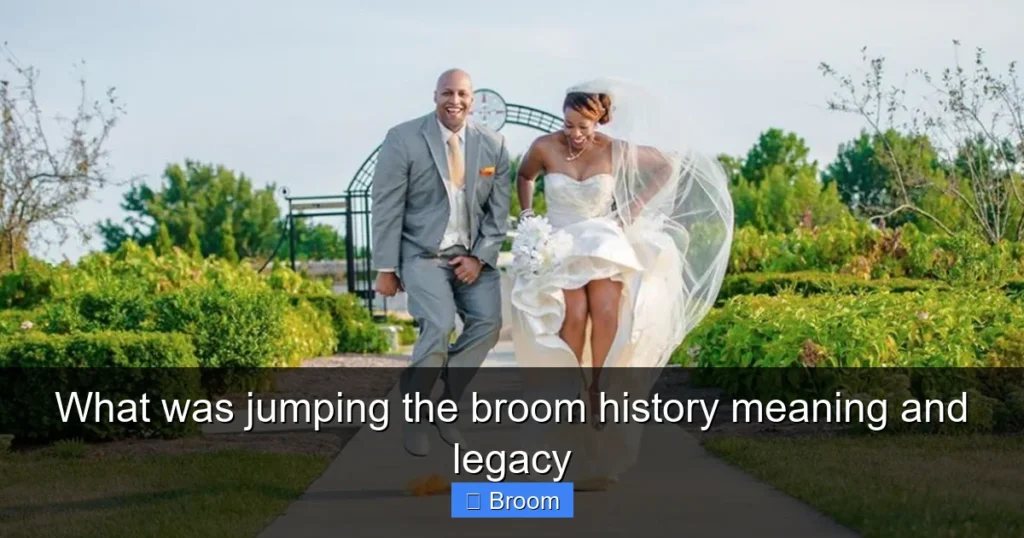
Jumping the broom was a powerful wedding ritual used when couples were denied legal marriage or wanted to honor cultural roots. This guide explains the history of jumping the broom, its meaning in African American and Celtic communities, and how to include it in a modern ceremony with respect and care. You will learn how to choose or make a broom, plan the ritual, and keep its legacy alive in a way that feels personal and authentic.
Key Takeaways
- Point 1: Jumping the broom was a symbolic wedding ritual used when legal marriage was restricted or unavailable, especially for enslaved African Americans.
- Point 2: The history of jumping the broom connects African American traditions, West African customs, and older European folk practices.
- Point 3: The meaning of jumping the broom centers on unity, commitment, and “sweeping” away the past to start a new life together.
- Point 4: You can honor the legacy of jumping the broom today by learning its history and adding it thoughtfully to a wedding or vow renewal.
- Point 5: Creating or decorating a broom by hand adds personal symbolism and makes the ritual more meaningful.
- Point 6: Open communication with family and guests helps everyone understand what jumping the broom was and why you are including it.
- Point 7: The legacy of jumping the broom lives on as a proud act of cultural memory, resilience, and love.
Introduction: Understanding What Jumping the Broom Was
When people ask, “What was jumping the broom?” they are usually curious about a wedding ritual they have seen in movies, photos, or real ceremonies. Jumping the broom was more than a simple leap over a household tool. It was a powerful symbol of love, survival, and community. It carried deep meaning for couples who could not marry legally or who wanted to honor their roots.
In this guide, you will learn what jumping the broom was, where it came from, and why it still matters today. You will discover how the ritual worked in the past and how to include it in a modern ceremony in a respectful way. We will walk step by step through the history, the meaning, and the legacy of jumping the broom, and then show you how to plan your own version if you choose.
By the end, you will not just know what jumping the broom was. You will understand why it has become a lasting symbol of love, resistance, and cultural pride.
Step 1: Learn What Jumping the Broom Was in Simple Terms
Before you dive into the deeper history, it helps to have a clear, simple idea of what jumping the broom was. At its core, jumping the broom was a wedding ritual. A broom was placed on the ground, and the couple jumped over it together, often at the end of the ceremony. That jump symbolized their step into a new life as partners.
Visual guide about What was jumping the broom history meaning and legacy
Image source: i.pinimg.com
Jumping the broom was commonly used when couples were blocked from having a legal wedding. For many enslaved African Americans in the United States, marriage was not recognized by law. They still wanted a way to show their love and commitment in front of their community. Jumping the broom became one way to do that. It said, “We are married in the eyes of our people, even if the law refuses to see us.”
So, when you ask what jumping the broom was, you are asking about a creative and brave response to injustice. It was a way for people to claim their right to love and family, even under cruel systems.
Step 2: Explore the History of Jumping the Broom
To really understand what jumping the broom was, you need to explore its complex history. The story is not simple or one-sided. It involves African, African American, and European traditions that crossed and blended over time.
Visual guide about What was jumping the broom history meaning and legacy
Image source: cdn.caratsandcake.com
2.1 Roots in African American Slavery
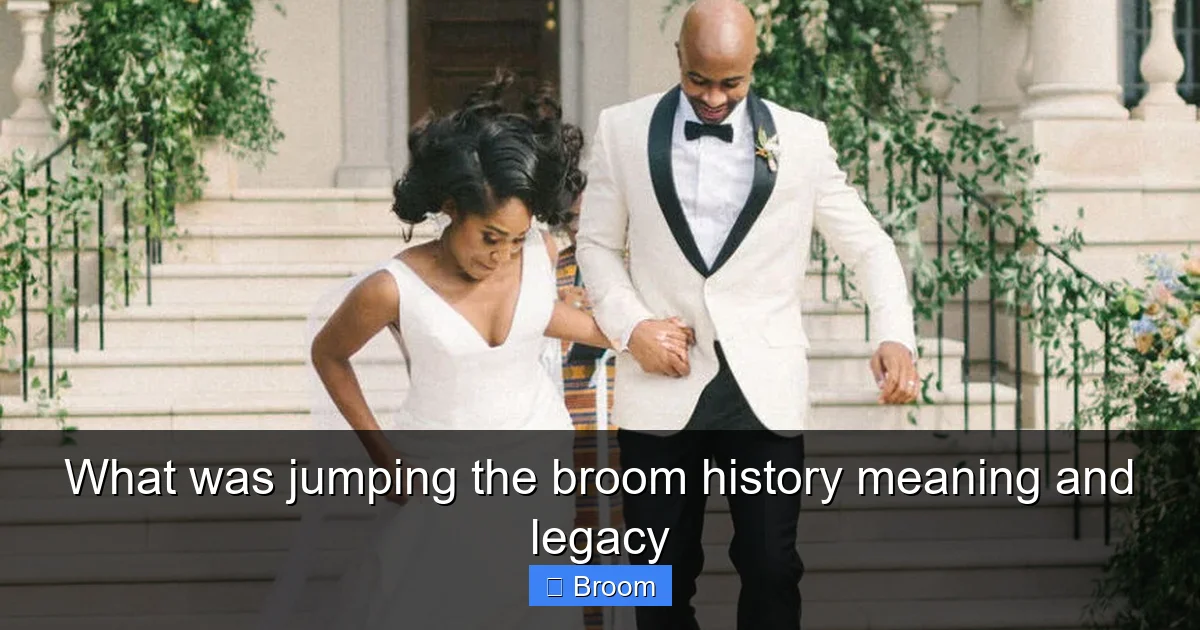
In the United States during slavery, enslaved people were often forbidden to marry legally. Yet they still formed families, loved one another, and created ceremonies. Jumping the broom was one such ceremony. It took place in front of witnesses. The broom marked the line between the old life and the new life as a couple.
Some historians believe that what jumping the broom was in this setting mixed African customs with the tools and symbols available on plantations. A broom was a common object. It was tied to the home and to daily life. Turning it into a symbol of marriage was both practical and creative.
The ritual varied from place to place. In some communities, the couple jumped the broom once. In others, they might jump forward to show a new beginning, or the broom might be held up while they passed under it. But the heart of what jumping the broom was remained the same: a public promise of partnership.
2.2 Possible West African Connections
There is debate among scholars about how directly jumping the broom came from African traditions. Some West African cultures used brooms in spiritual and social rituals. Brooms could be used to sweep away evil, clear space for sacred events, or mark transitions.
So, what jumping the broom was may have drawn on older African ideas. The broom could stand for cleansing and protection. The act of jumping could mark a boundary crossed, a change of status, or a new path. While the exact line from Africa to America is not always clear, many people today embrace this link as part of the ritual’s meaning.
2.3 European and Celtic Folk Traditions
Another part of the story of what jumping the broom was comes from Europe. In some Welsh, Scottish, and English communities, “broomstick weddings” were a type of folk marriage. Couples who could not or chose not to have a church wedding sometimes used a broom as a symbol. They might jump over it together or stand by it to show they were joined.
In some areas, what jumping the broom was could even be used to end a union. Stepping back over the broom or moving it could signal a separation. These practices were not the same everywhere, but they show that broom rituals were not unique to one culture.
When African and European peoples were forced together through slavery and colonization, their traditions mixed. Out of this painful history, what jumping the broom was in African American communities took on its own special meaning, shaped by the reality of slavery and resistance.
Step 3: Understand the Meaning Behind Jumping the Broom
Now that you know some history, you can look deeper at what jumping the broom was meant to say. The meaning is layered and rich. It speaks to love, survival, and hope.
Visual guide about What was jumping the broom history meaning and legacy
Image source: brides.com
3.1 Symbol of Unity and Commitment
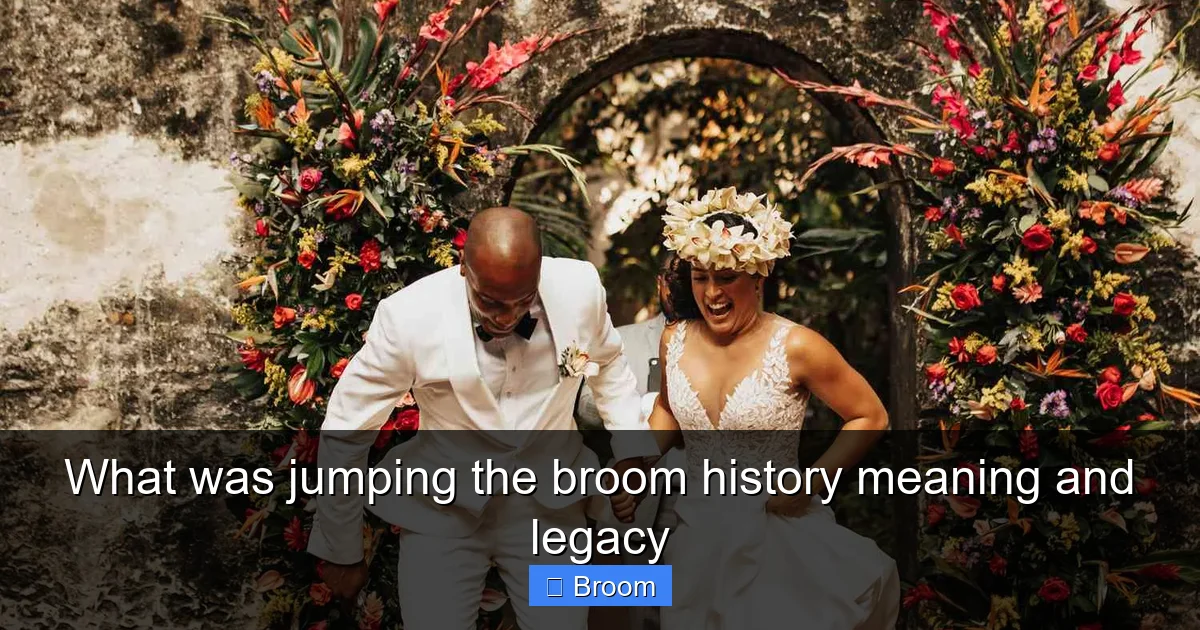
At the most basic level, what jumping the broom was is a public promise. The couple jumps together. They move in the same direction at the same time. This shows that they are united in heart and purpose. The jump is a clear, visible sign of commitment, easy for everyone to see and remember.
3.2 Sweeping Away the Past
The broom itself carries strong symbolism. Brooms are tools of cleaning. They sweep away dust, dirt, and chaos. In the ritual, what jumping the broom was often meant “sweeping away” the past. Old hurts, old habits, or old lives were left behind. The couple stepped over the broom into a fresh start.
This meaning is powerful for anyone, but it was especially strong for people who lived under slavery or oppression. The act said, “Our love is not defined by what has been done to us. We are making something new.”
3.3 Honoring Ancestors and Community
Another layer of what jumping the broom was involves ancestors and community. The ritual did not happen in private. It took place in front of family, friends, and neighbors. Witnesses gave their blessing. They sang, clapped, or cheered.
In this way, the broom was not just about two people. It was about the whole group. It tied the couple to their community and to those who came before them. Today, many couples who jump the broom do so to honor ancestors who could not marry freely. They use the ritual to say, “We remember you. We carry your story.”
3.4 Resistance and Self-Definition
Finally, what jumping the broom was can be seen as an act of resistance. When the law denied enslaved people the right to marry, they made their own way. They refused to let others define whether their love was real. The broom became a tool of self-definition.
That spirit still lives in the ritual today. For many, jumping the broom is a way to claim identity, culture, and history. It is a proud statement: “We know where we come from, and we choose to honor it.”
Step 4: See How Jumping the Broom Was Practiced
To picture what jumping the broom was like, imagine a wedding scene before legal marriage was an option. There might be no official papers, no courthouse, and no church approval. But there would still be joy, music, and ceremony.
4.1 A Typical Historical Ceremony
In many enslaved communities, what jumping the broom was might look like this:
- The couple stands together before family and friends.
- An elder, respected person, or sometimes an overseer says a few words.
- A broom is placed on the ground in front of the couple.
- The couple joins hands.
- They jump over the broom together while the crowd cheers.
- After the jump, they are treated as married by their community.
There might also be singing, dancing, and shared food. Even with limited resources, people found ways to celebrate. The broom was simple, but what jumping the broom was in that moment held huge emotional weight.
4.2 Variations in Practice
What jumping the broom was could change from place to place. Some communities placed the broom at the doorway of a cabin. Others placed it in the yard. Some used a plain work broom. Others decorated it with bits of cloth or flowers when they could.
The words spoken around the ritual also changed. There was no single script. But the core idea stayed: the broom marked a boundary, and the jump marked a new life together.
Step 5: How to Honor the Legacy in Modern Ceremonies
Today, many couples want to honor what jumping the broom was by including it in their wedding or vow renewal. If you are thinking about this, it helps to move with care and respect. Here is a step-by-step guide.
5.1 Decide If the Ritual Fits Your Story
Start by asking why you want to include the ritual. Are you honoring African American heritage? Are you connecting to ancestors who used this ritual when they could not marry legally? Are you moved by its meaning of unity and new beginnings?
When you know your why, you can explain it to others. This keeps what jumping the broom was from becoming a random detail. It becomes a clear, thoughtful choice.
5.2 Choose or Make a Meaningful Broom
The broom itself is central to what jumping the broom was and is. You can:
- Buy a ceremonial broom: Many shops sell wedding brooms, often with ribbons, shells, or beads.
- Use a simple household broom: This echoes the historical reality and keeps the focus on meaning, not cost.
- Make or decorate your own: This is a powerful way to add personal touches.
When decorating, you might add:
- Colors that match your wedding theme or cultural flags.
- Ribbons or fabric from family members.
- Charms, shells, or beads with special meaning.
- Words or dates written on the handle.
By doing this, you connect the physical broom to what jumping the broom was in the past and what it means to you now.
5.3 Plan the Moment in Your Ceremony
Think about where in the ceremony you want the ritual. Often, couples place it near the end, right before or right after the pronouncement. This mirrors what jumping the broom was historically: the final act that sealed the union.
Decide:
- Who will bring the broom forward.
- Where it will be placed (on the floor, at the aisle, near the altar).
- Whether you will have music, singing, or spoken words during the jump.
You can ask an elder or special friend to place the broom. This honors the role of community in what jumping the broom was.
5.4 Explain the Meaning to Your Guests
Many guests may not know what jumping the broom was or what it means. A short explanation helps everyone connect.
You can:
- Ask your officiant to explain the history and meaning before the jump.
- Include a short note in your program about what jumping the broom was and why you chose it.
- Have a family member share a brief story or reading.
Clear explanation turns the ritual into a shared moment of learning and respect.
5.5 Perform the Jump Together
On the day, when the time comes:
- Stand side by side, holding hands.
- Look at each other and take a breath.
- Jump together over the broom with intention.
- Land together, facing forward into your new life.
It does not matter how high you jump. What matters is that you do it together. Remember what jumping the broom was for your ancestors or for those who came before you. Let that memory fill the moment with meaning.
5.6 Keep the Broom as a Family Heirloom
After the ceremony, many couples keep the broom as a reminder of what jumping the broom was in their story. You can:
- Hang it on a wall in your home.
- Place it in a special corner or altar space.
- Bring it out for anniversaries or vow renewals.
Over time, the broom can become a family heirloom, passed down to children or relatives. It carries not only your memories but the longer legacy of the ritual.
Step 6: Common Questions and Troubleshooting
As you think about what jumping the broom was and how to use it, you may run into questions or concerns. Here are some common ones and ways to handle them.
6.1 What If Some Guests Do Not Understand or Approve?
Some guests may not know what jumping the broom was or may have mixed feelings about it. They might see it as old-fashioned or not “official.” The best way to handle this is with gentle education.
Explain that what jumping the broom was in history gave people a way to marry when they had no legal rights. Share that you are choosing it to honor that courage and love. Most people will respect your choice when they see the heart behind it.
6.2 What If We Are Not African American?
Today, many people from different backgrounds are drawn to the ritual. If you are not African American, pause and reflect. Ask yourself why you want to include it. Remember what jumping the broom was for those who used it in times of oppression.
If you still feel called to the ritual, move with care. Acknowledge its history in your ceremony. Be clear that you respect its roots. Some may decide it is not theirs to use. Others may include it as part of a mixed heritage or as a sign of solidarity. Thoughtful reflection is key.
6.3 How Do We Avoid Making It Feel Like a Joke?
Because a broom is a simple object, some people might be tempted to treat the ritual lightly. To keep the dignity of what jumping the broom was, set the tone clearly.
Use calm, respectful language. Ask people not to make jokes during that part of the ceremony. Choose music that matches the mood you want. When you treat the ritual with care, others will follow your lead.
Step 7: Reflect on the Legacy of Jumping the Broom
Understanding what jumping the broom was helps you see why it still matters today. The ritual carries a legacy that reaches far beyond any single wedding.
7.1 A Living Link to History
Every time a couple jumps the broom today, they echo those who did it under much harder conditions. They remember enslaved people who created their own way to marry. They remember families who held on to love even when the law denied their bonds.
This makes what jumping the broom was not just a fact from a history book. It becomes a living, breathing link between past and present.
7.2 A Symbol of Pride and Resilience
For many in the African American community, jumping the broom has become a symbol of pride. It says, “We survived. We loved. We built families even when the world tried to break us.” The ritual holds both pain and power. It does not erase the history of slavery, but it shows the strength of those who lived through it.
7.3 An Ongoing Story
The meaning of what jumping the broom was is still growing. Each couple who chooses it adds a new chapter. Some focus on cleansing and new beginnings. Others focus on honoring ancestors. Others see it as a statement of cultural identity.
As long as people keep learning and sharing the story, the legacy of jumping the broom will continue. It will remain a reminder that love can create rituals of its own, even in the hardest times.
Conclusion
Now you know what jumping the broom was: a wedding ritual born out of struggle, shaped by many cultures, and carried forward by love and memory. It began as a way for people without legal rights to claim their unions in front of their community. Over time, it has become a powerful symbol of unity, cleansing, resistance, and pride.
If you choose to include it in your own ceremony, you are not just adding a pretty moment. You are stepping into a long, meaningful tradition. You are honoring those who came before you and adding your own story to the legacy. By understanding what jumping the broom was and what it means today, you can keep this ritual alive with the respect and heart it deserves.
🎥 Related Video: Jumping the Broom: Celebrating African-American Traditions 💖🌿
📺 You May Wish To Know
“Jumping the broom” is a cherished African-American wedding tradition that signifies love and commitment. Rooted in a history of …