

Spin mops can be highly sanitary with proper care. Regular cleaning and thorough drying are crucial to prevent bacteria and mold growth. This guide provides simple steps to maintain your spin mop’s hygiene for a healthier home.
Key Takeaways
- Spin mops require regular maintenance: Without proper care, they can harbor bacteria and mold, making them unsanitary.
- Cleaning after each use is essential: Rinse the mop head to remove dirt and debris, preventing buildup that breeds germs.
- Disinfect periodically: Use safe disinfectants like vinegar or bleach solutions to kill germs and ensure a hygienic mop.
- Dry the mop head completely: Moisture leads to mold; air dry in a well-ventilated area or use a spin function to wring out water.
- Replace mop heads regularly: Worn-out heads are less effective and can trap more bacteria, so change them every few months or when damaged.
- Clean the bucket and mechanism: Bacteria can lurk in the bucket and spinning parts; wash them weekly to maintain overall hygiene.
- Follow manufacturer guidelines: Always refer to your spin mop’s manual for specific cleaning instructions to avoid damage and ensure safety.
Are Spin Mops Sanitary? Your Complete Hygiene Guide
Spin mops are a popular cleaning tool, but many wonder: are spin mops sanitary? The answer is yes, but only if you maintain them properly. A spin mop can quickly become a breeding ground for bacteria, mold, and odors if neglected. This guide will walk you through simple steps to keep your spin mop hygienic. You will learn how to clean, disinfect, and dry it effectively. By the end, you will have a sanitary spin mop that leaves your floors spotless and germ-free. Let’s dive in!
Understanding Spin Mop Hygiene
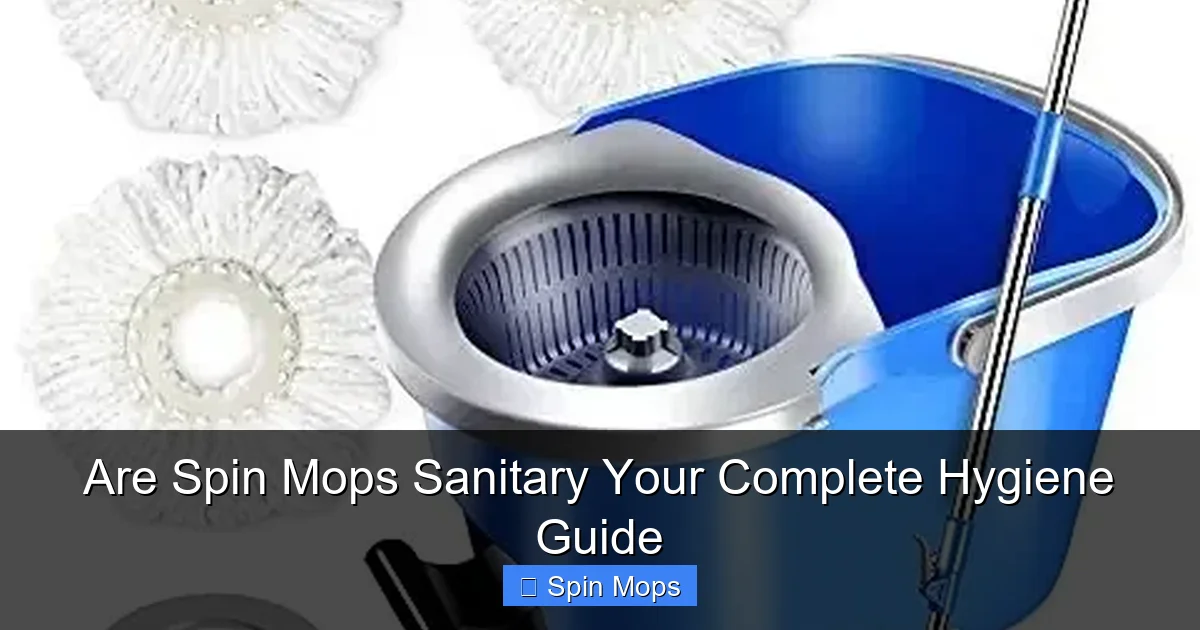
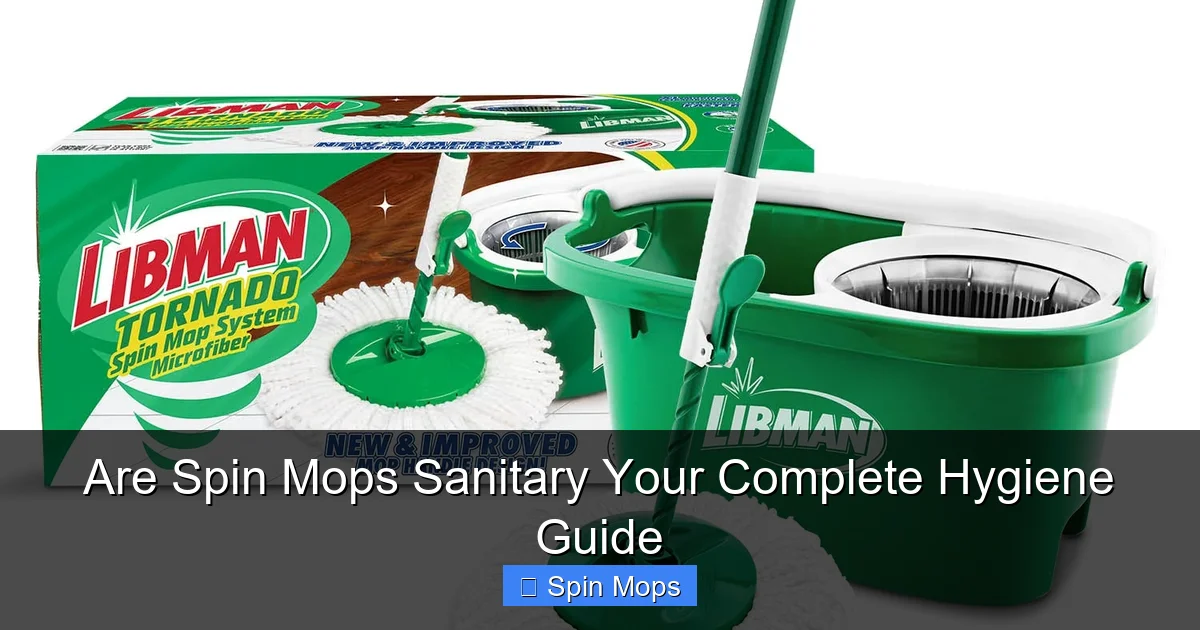
Spin mops work by using a bucket with a spinning mechanism to wring out water. This helps control moisture, but it does not automatically kill germs. The mop head, often made of microfiber, can trap dirt, bacteria, and moisture. If not cleaned well, these spin mops can spread germs instead of removing them. Think of your spin mop like a kitchen sponge—it needs regular care to stay sanitary. In this guide, we focus on practical tips to enhance hygiene. Remember, a clean spin mop means a cleaner home.
Visual guide about Are Spin Mops Sanitary Your Complete Hygiene Guide
Image source: hygieneforall.com
Step 1: Cleaning the Spin Mop Head After Use
Cleaning the mop head right after mopping is the first step to hygiene. Do not let dirt sit on it. Here is how to do it easily.
Visual guide about Are Spin Mops Sanitary Your Complete Hygiene Guide
Image source: mobileimages.lowes.com
Rinsing Thoroughly with Water
Right after mopping, rinse the mop head under running water. Use warm water to loosen grime. Gently squeeze out dirt until the water runs clear. This removes surface debris and prevents bacterial growth. For spin mops with a bucket, you can rinse in the bucket by spinning it with clean water. Make it a habit—every time you mop, rinse the head.
Using a Mild Detergent
Once a week, wash the mop head with a mild detergent. Fill a basin with warm water and add a small amount of dish soap or laundry detergent. Soak the mop head for 10-15 minutes. Then, agitate it by hand to lift deep dirt. Rinse well to remove soap residue. Soap helps break down oils and stains, keeping your spin mops fresh. Avoid harsh chemicals that might damage the microfiber.
Step 2: Disinfecting Your Spin Mop
Cleaning removes dirt, but disinfecting kills germs. This is key for sanitary spin mops. Do this every two weeks or after mopping high-germ areas like bathrooms.

Visual guide about Are Spin Mops Sanitary Your Complete Hygiene Guide
Image source: thumbs.dreamstime.com
Choosing a Safe Disinfectant
You can use white vinegar, bleach, or hydrogen peroxide. Vinegar is natural and effective against many germs. Mix one part vinegar with one part water. For bleach, use a dilute solution—one tablespoon of bleach per gallon of water. Always check your mop head material; some may be sensitive to bleach. Test a small area first. These solutions help ensure your spin mops are sanitary without damage.
Soaking and Rinsing Properly
Submerge the mop head in the disinfectant solution for at least 10 minutes. This gives time to kill bacteria and mold. After soaking, rinse thoroughly with clean water. Spin it in the bucket or wring it out to remove excess liquid. Proper rinsing prevents chemical residue on your floors. Disinfecting regularly keeps your spin mop hygienic and safe for use around kids and pets.
Step 3: Drying the Mop Properly
Moisture is the enemy of hygiene. A wet mop head can develop mold and smells. Drying is crucial for sanitary spin mops.
Air Drying in a Ventilated Area
After cleaning, hang the mop head to dry. Use a clothesline or a hook in a well-ventilated space. Avoid damp areas like basements. Ensure it is fully spread out so air circulates. This might take a few hours. Do not store the mop head while damp. This simple step prevents most hygiene issues with spin mops.
Using the Spin Function to Remove Water
If your spin mop has a bucket with a spin function, use it to wring out as much water as possible. Spin it several times until no more water comes out. This reduces drying time and minimizes moisture. Some spin mops have efficient mechanisms—make the most of them. After spinning, still air dry for complete hygiene.
Step 4: Regular Maintenance and Replacement
Keeping your spin mop sanitary involves more than just the head. Maintain the entire system for long-term hygiene.
When to Replace Mop Heads
Mop heads wear out over time. Replace them every 3-6 months, or sooner if they look frayed or stained. Worn heads trap more bacteria and are less effective at cleaning. Having spare mop heads is a good idea. For sanitary spin mops, fresh heads make a big difference. Follow manufacturer recommendations for replacement.
Cleaning the Bucket and Mechanism
Wash the bucket and spinning parts weekly. Use soapy water and a brush to scrub inside the bucket. Rinse well and dry completely. Bacteria can hide in corners and on the spinner. For spin mops with removable parts, disassemble if possible for a deeper clean. This ensures no grime builds up in your tool.
Troubleshooting Common Hygiene Issues
Even with care, problems can arise. Here is how to fix them and keep your spin mops sanitary.
Dealing with Mold and Mildew
If you see black spots or smell mustiness, mold is present. Soak the mop head in a bleach solution (one tablespoon bleach per gallon of water) for 30 minutes. Scrub gently, then rinse and dry thoroughly. For the bucket, scrub with bleach solution and air dry. Prevent mold by always drying your spin mop completely. Mold can make spin mops unsanitary, so act quickly.
Eliminating Odors
Odors often come from bacteria. Soak the mop head in a vinegar solution (equal parts vinegar and water) for an hour. Rinse well and dry in sunlight if possible—sunlight has natural disinfecting properties. For persistent smells, consider replacing the mop head. Regular disinfecting helps avoid odors in spin mops.
Conclusion: Ensuring Long-Term Sanitation
Spin mops are sanitary when you follow these steps. Clean after each use, disinfect regularly, dry thoroughly, and maintain all parts. By doing so, you will have a hygienic tool that keeps your floors clean and your home healthy. Remember, consistency is key. Make spin mop care part of your cleaning routine. With this guide, you can confidently answer: yes, spin mops can be sanitary! Enjoy cleaner floors and peace of mind.
🎥 Related Video: BATTLE OF THE SPIN MOPS// OCEDAR MOP VS TSMINE SPIN MOP// WHICH IS BETTER?
📺 Tsmine Official
Get FunClean TSMINE SPIN MOP here: https://www.amazon.com/dp/B0CSJQHK58 Leave a comment here or reach us at …